The Great Fried Egg Debate: Butter Versus Oil
Satisfying, protein-packed, and utterly delicious, eggs stand as one of the finest breakfast choices available, with frying being among the most beloved cooking methods. The essential requirement for fried eggs, however, is a small amount of fat to ensure proper cooking. This fat prevents the egg from sticking to the pan surface during the heating process.
Your selection of frying fat does far more than merely protect the egg during preparation. It significantly influences everything from overall flavour and visual appearance to potential health benefits. While everyone possesses their own preferred technique for frying eggs, the ultimate question in this culinary dispute remains: Should you fry your eggs using butter or oil?
Culinary Experiment: Testing Both Methods
To discover precisely how different the results would be, I prepared two fried eggs simultaneously—one cooked with olive oil and the other using butter. This direct comparison revealed surprising distinctions in texture, taste, and cooking experience that might transform your breakfast routine.

Frying Eggs with Olive Oil
Regardless of cooking method, I always ensure eggs reach room temperature before frying. Chilled eggs frequently result in overcooked yolks while attempting to properly set the whites. With one egg prepared, I began by warming my pan with a generous spray of olive oil for exactly one minute over low to medium heat.
Since olive oil offers relatively healthy properties, you can add it to the pan without significant guilt. This oil represents my typical choice when frying eggs with any form of fat. Gentle, consistent low heat cooks eggs perfectly and evenly throughout. Excessively hot pans cause rapid bottom cooking while leaving the top portions runny and undercooked.
I always crack my egg into a small ramekin first before transferring it carefully to the pan. This simple technique helps prevent yolk breakage and reduces the likelihood of stray eggshell fragments contaminating the mixture. I wait patiently until the egg whites show slight firming before placing a lid over the pan, allowing two minutes of cooking time before serving. Personally, I avoid flipping the egg to preserve that desirable runny yolk texture.
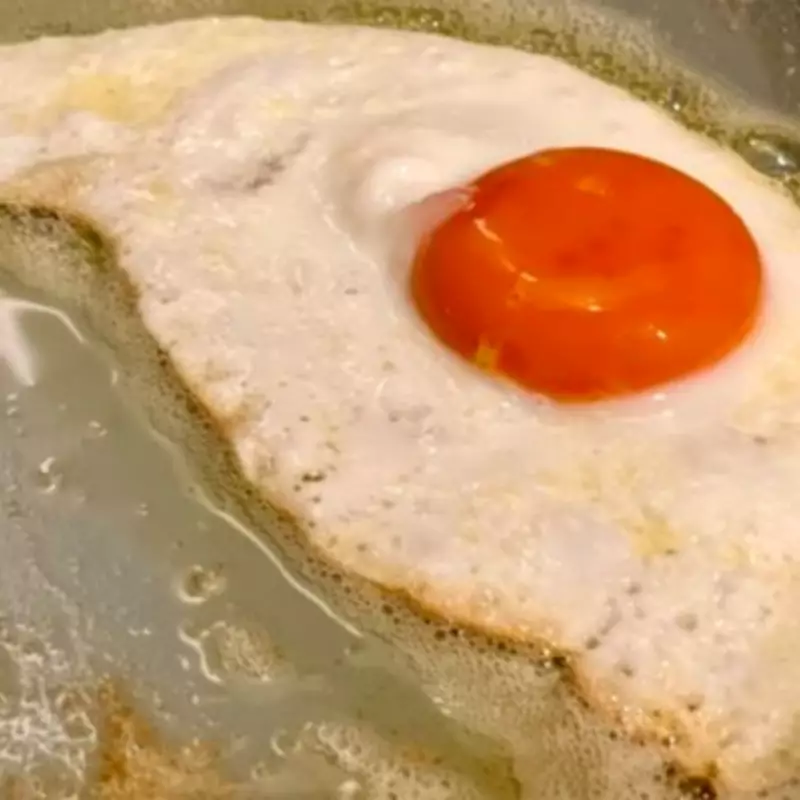
The final result revealed that the primary advantage of frying eggs in oil involves texture development. The egg white achieves remarkable crispiness, with edges developing a crunchy, lacy, deep golden-brown appearance—though perhaps slightly excessive for some preferences. Olive oil maintains a fairly neutral flavour profile, meaning it doesn't particularly enhance the egg's inherent taste characteristics.
Frying Eggs with Butter
Transitioning to the considerably less healthy frying method, butter arrives with glowing culinary recommendations. I previously consulted three professional chefs who unanimously champion butter for creating more flavourful fried eggs, and their expertise proved absolutely correct.
To fry the egg using butter, I warmed the pan over low to medium heat with a generous portion of butter. Crucially, the pan must not become excessively hot, otherwise the butter will scorch and develop unpleasant burnt flavours. Once the butter transformed into an almost foamy consistency, I carefully added the egg. The whites began setting rapidly, and when sufficiently firm, I angled the pan slightly to allow butter to pool at the edges.
I then placed the lid over the pan and permitted the egg to cook for two additional minutes. By this stage, the butter had developed a beautiful golden hue while releasing that wonderfully toasted, nutty aroma that signals perfect cooking.
Surprising Results and Professional Endorsements
The outcome proved decisive: without question, the finest aspect of frying eggs in butter involves flavour development. Since butter contains higher fat content than oil, your eggs naturally absorb that luxurious, rich buttery taste while they sizzle and crisp within the pan.
Admittedly, butter offers no significant health advantages compared to olive oil, but let's acknowledge reality—you're not selecting butter for nutritional credentials. You're choosing it purely for that extraordinary depth of flavour that transforms ordinary eggs into culinary delights.

I also strongly preferred the visual appearance of butter-fried eggs. These specimens developed a gentle, appealing golden-brown coloration without becoming excessively crispy or overcooked. For daily cooking, I typically reach for olive oil due to convenience and health considerations. However, I cannot deny that butter made the egg taste substantially better according to both personal experience and professional chef recommendations.
As a special weekend indulgence or when treating guests, I would absolutely select the butter approach every single time. This simple ingredient swap might just revolutionise your breakfast experience while earning approval from culinary professionals nationwide.