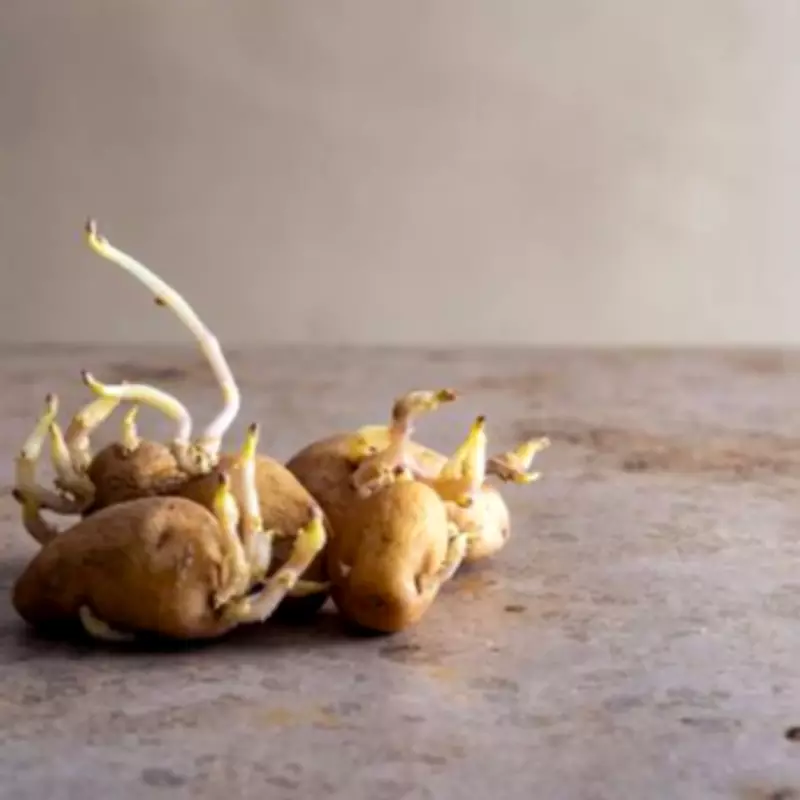
Potatoes are a versatile and beloved staple in UK homes, but if yours have sprouted it's important to know when they're still safe to eat and when you should throw them away. Sprouted potatoes can cause serious illness if consumed improperly, warns health experts.
Why Sprouted Potatoes Are Risky
According to VeryWell Health, sprouted potatoes can harbour dangerous levels of compounds known as glycoalkaloids. While these substances protect the plant from fungi and insects, when eaten by humans they can trigger serious gastrointestinal problems, reports the Express.
Symptoms of Glycoalkaloid Toxicity
Mild symptoms include abdominal cramps, a bitter taste in the mouth, dizziness, headache, nausea, throat burning sensation, and vomiting. In severe cases, it can cause confusion, drowsiness, fever, hallucinations, jaundice, loss of vision or hearing, paralysis, and tremors.

When It's Safe to Eat Sprouted Potatoes
To ensure your potatoes are safe to consume, look out for greenish tinges in the flesh, sprouting, damage, bruising, or a pungent musty smell. If potatoes have only minimal sprouting and no green discolouration, it is generally fine to remove the sprouts and eat them. However, if there is extensive greening or substantial sprouting, it is far safer to throw them away.
Proper Storage Tips
To keep potatoes safe to eat for as long as possible, store them away from direct sunlight in dark drawers or cupboards. Ensure adequate airflow by using a perforated bag or open container. Maintain a steady temperature, avoiding refrigeration or storage beside radiators.