Simple Jar Storage Hack Could Slash UK Household Food Waste
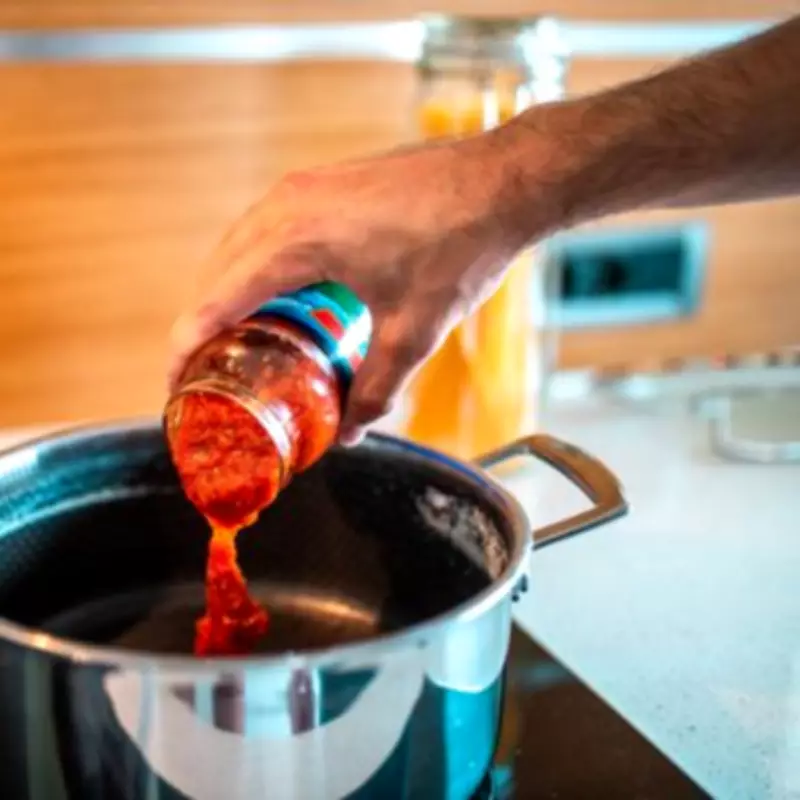
British households are being urged to adopt a remarkably straightforward kitchen practice this weekend: turning opened pasta sauce jars upside down in the refrigerator. This minor adjustment to storage routines promises to combat one of the most common and frustrating forms of domestic food waste.
The Persistent Problem of Jarred Food Waste
After a demanding day at work, pasta often serves as a reliable dinner solution. While preparing a sauce from scratch remains an option, the convenience of a shop-bought jar is undeniable for many. However, a familiar annoyance plagues this convenience: using only half a jar, only to discover a disheartening layer of mould developing just days later, despite the product still smelling acceptable.
This scenario contributes significantly to the UK's ongoing food waste issue, with jars of pasta sauce, salsa, and tomato purée frequently identified among the most wasted items. The visual and olfactory disappointment of discovering spoilage in barely used products represents both an economic and environmental concern for families nationwide.

The Science Behind the Upside-Down Jar Method
Ryan Allen, the culinary expert behind The Cooking Duo blog, advocates for this simple yet effective storage modification. The principle is elementary: instead of leaving opened jars upright on the fridge shelf, invert them so the lid becomes the base.
"When food is commercially processed and sealed, it's effectively locked away from the outside world," Ryan explained. "Those jars are designed to be shelf-stable because no microorganisms can get in. The moment you open them, you're exposing the contents to everything in your kitchen environment, whether you can see it or not."
Upon breaking the factory seal, the protective sterile environment vanishes instantly. Air, carrying microscopic mould spores and other organisms from worktops, utensils, and even skin, floods into the jar. Mould spores are particularly aggressive, quickly colonising the exposed upper surface of sauces and pastes.
How Inversion Disrupts Mould Growth
Flipping the jar does not eliminate existing germs, but it fundamentally alters the conditions mould requires to proliferate. "By storing the jar upside down, the surface that was exposed to the air is now pressed against the lid," Ryan detailed. "There's far less oxygen there, and mould needs oxygen to grow. You're basically making life harder for it."
This method creates a low-oxygen environment at the new 'top' of the jar—the area most vulnerable to contamination. By depriving mould of its essential oxygen supply, the growth process is significantly inhibited, thereby extending the product's usable life.
Ideal Products and Important Limitations
This storage hack is most effective for thicker, chunkier consistencies rather than thin, watery liquids. The technique works best with products that maintain their shape.
"This works particularly well for tomato-based sauces, tomato paste, pesto, salsa and thicker curry sauces," Ryan advised. "Anything that tends to hold its shape rather than slosh around is ideal."
An additional practical benefit is the elimination of the frustrating task of scraping remnants from the bottom of the jar when contents are nearly finished.
However, Ryan emphasises that this method is an extension technique, not a preservation miracle. "It's a way of extending usability, not a licence to keep food indefinitely," he cautioned. "You still need to pay attention to smell, texture and any visible signs of spoilage."
Standard food safety practices remain paramount. Consumers should always inspect products for any off-odours, unusual textures, or visual indicators of decay before use, regardless of storage method.
This straightforward intervention requires no special equipment or significant behavioural change, yet it holds genuine potential to reduce the volume of perfectly good food discarded by UK households each week. By simply reorienting a jar in the refrigerator, families can enjoy their favourite sauces for longer, saving money and contributing to broader waste reduction efforts.