The Art of Reheating: Why Leftovers Deserve a Second Chance
There is nothing more delightful than observing a cook in their element. By this, I do not merely mean watching someone perform routine kitchen tasks—that can often be painful to witness (why on earth are they chopping onions that way?). I refer to witnessing their culinary specialty, that one dish or process they execute with such mastery and evident pride that even the most critical observer falls silent.
Consider my partner's method for crafting fish-finger sandwiches. This involves frying the fish fingers in butter, then creating an in-pan steam chamber to melt artisanal cheese onto them, followed by a custom blend of condiments. On average, it generates as much washing-up as a full cooked dinner. Others might boast a unique pancake trick or a cherished carrot cake recipe, and these talents rarely go unnoticed—it is always my salad dressing, possessive, yet we forgive such hubris because each of us possesses our own 'A Thing'.
My Thing: The Reheating Specialist
My specialty, if you can call it that, is reheating food. This is not the high-impact display that many cooks aspire to; after the drama of initial cooking, reheating often seems like mundane drudgery—the task assigned to the household member you would not even trust with the dishes. The goal is simply to heat leftovers to a germ-safe 74°C. But is this truly where we set the bar? With an inexperienced reheater at the helm, carbohydrates become waterlogged when they should be crisp, or crunchy where they should be tender, while stews are microwaved until they verge on radioactive. We would never accept such standards in any other culinary niche—that it suffices for the food not to be lethal.

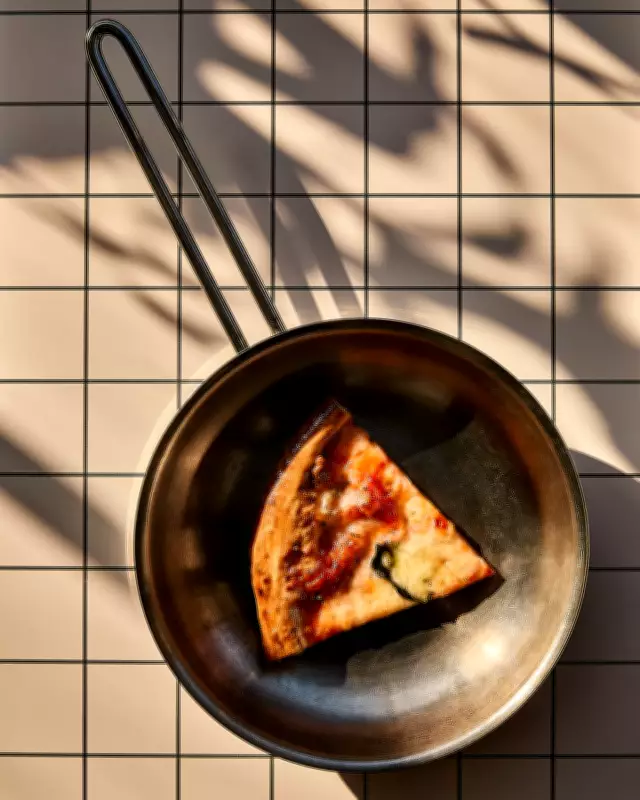
You must approach leftovers like a necromancer. For instance, with leftover pasta, I fry it with a dash of olive oil in a hot, wide pan. I aim for the starches to blister and crisp, and the tomato to caramelise slightly. I strive to evoke, in miniature, the taste-textural symphony of a pasta bake. After a few minutes, I add a few tablespoons of water—it should sizzle immediately. Then, I place the lid on, reduce the flame, and allow the steam to revive the dish. Similarly, with pizza, the cheese has already browned, and the sauce has soaked into the base, so it does not need the dry heat of an oven or air fryer. Instead, I crisp the base aggressively in a hot, dry pan, sprinkle water benevolently, lower the heat, and cover until the cheese becomes molten soft.
Mastering Moisture and Texture
Treat each element of a dish according to its needs. A stew of meat and potatoes might seem straightforward, but stirring can cause fragile potatoes to disintegrate into mush, making the sauce gluey and starches stick to the pan. A better approach is to add more water, cover with foil, and let a low oven work its magic. Heating food is simple; controlling moisture, and thus texture, is the real challenge.
Sometimes, deconstruction is necessary. For example, leftover roast chicken thighs cannot simply be tossed into the oven. Tough parts become tougher, and as they dry out, heat struggles to penetrate to the bone. Instead, carve them up and warm the meat gently in stock. Embrace change—lasagne reaches new heights if, instead of reheating a whole slab, you separate it into layers and use a hard-pan-fry-and-steam combination. I dare you to try it; your microwave could never achieve this.
The Microwave: A Tool, Not a Magic Wand
On that note, the microwave has led sloppy reheaters to believe they can perfectly resurrect an entire plate of food without moving a single pea. This is fantasy. I am not a microwave sceptic—this is military-grade engineering; scientists have reportedly used microwaves to revive cryogenically frozen hamsters (seriously). However, using them requires technical know-how, not the haphazard approach of a children's party magician. How many roast dinners have been ruined by poor microwave technique?

This is where we err about reheating: we view it merely as warming cooked food, when it is, in fact, about cooking anew. You start from a different point, with ingredients chemically transformed by the first cook. Embrace this, and you can exercise the same everyday ingenuity as an uncle crafting spice racks from old floorboards. This work can be creative, meticulous, and enjoyable. A kitchen might survive without a pastry expert, but—allow me this moment—a home needs a reheater. You need someone willing to step back during the glory cooking and make unglamorous, weeknight dinner-saving leftovers their specialty.