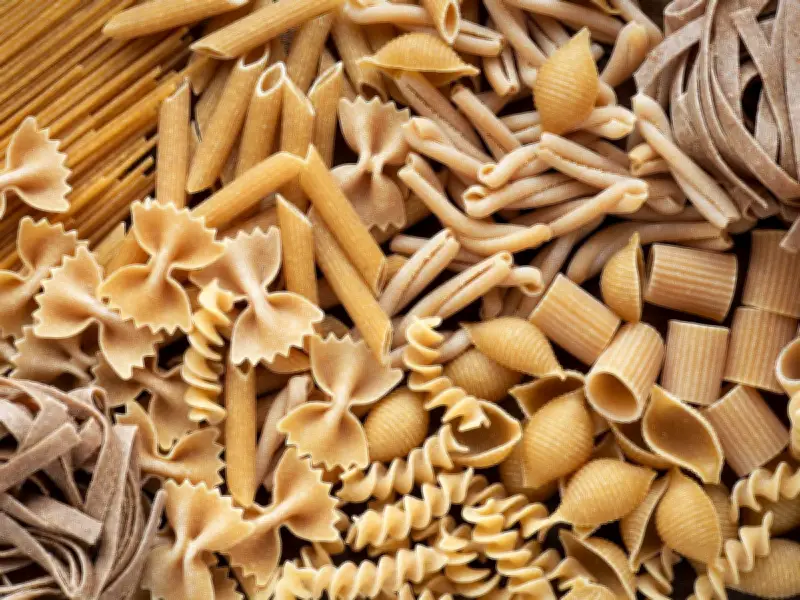
Brown pasta offers significant nutritional advantages over white pasta, including nearly 50% more fibre and lower calorie content, while white pasta's refined carbohydrates are associated with increased risks of heart disease, stroke, and type 2 diabetes.
Nutritional Differences
A single serving (140g) of cooked white spaghetti contains approximately 220 calories, whereas the same amount of cooked brown spaghetti provides 174 calories. Wholemeal pasta contains about 50% more fibre, with one portion supplying roughly a third of the daily fibre requirement for adults. According to Healthline, brown pasta also contains manganese, selenium, copper, and higher levels of iron and B vitamins, supporting digestive health and promoting greater satiety.
An expert at Good Food explained: "The calories in pasta are mainly supplied in the form of carbohydrate, which are broken down by the body quickly, leading to an elevation in blood glucose (glycaemic effect). Refined pasta (white version) is richer in carbs and lower in fibre, and therefore tends to have a higher glycaemic effect." They added: "Aim for a portion of 75g (dried weight) per serving."

Health Risks of Refined Pasta
Consuming excessive amounts of refined carbohydrates has been associated with a heightened risk of heart disease, stroke, and type 2 diabetes. However, if you prefer the flavour of white pasta, fresh options are preferable to dried.
Fresh vs Dried Pasta
According to Good Food: "Fresh pasta is made using plain or '00' flour, water and eggs, kneaded into a dough and then rolled and cut into the desired shape. '00' is the grading given to the texture of the flour - 0 flour is quite coarse, while 000 is much finer. Fresh pasta only lasts a day or two and is found in the chiller section of most supermarkets."
"Dried pasta, on the other hand, is made from semolina, which is milled from grinding the grain of durum wheat and then combined with water. It is made into a paste and moulded into different shapes, dried until all the moisture has evaporated and the pasta hardens, this extends the product's shelf life." Various coloured pastas are created by incorporating vegetable powders, including tomato, spinach, or beetroot, to provide colour but without any extra nutritional advantages.
Pasta Shapes and Their Uses
"The shape of the pasta relates to the Italian region the pasta originates from, with certain shapes working better in some recipes," shared the food expert at Good Food. Long, slender pasta varieties such as spaghetti, linguine, fusilli lunghi, and vermicelli are ideally suited to seafood sauces or those based on cream and oil. Broader ribbon-style pastas, including tagliatelle, pappardelle, fettuccine, and mafaldine, lend themselves far better to robust meat dishes such as bolognese. Shell-shaped varieties like conchiglie and lumache complement rich cream or meat sauces that nestle inside the shells. Twisted forms such as fusilli, trofie, strozzapreti, casarecce, and gemelli are best matched with smooth sauces like pesto. Penne, rigatoni, macaroni, and paccheri are an excellent match for substantial tomato, vegetable, or meat sauces, and are equally well suited to baked pasta dishes. Smaller varieties, including orzo, fregola, canestrini, and stelline, are most frequently found in soups, stews, and pasta salads.