In a revealing series of health insights, a prominent cancer specialist has detailed the everyday household items he deliberately avoids keeping in his own home due to potential cancer risks. Dr. Amit Garg, a Board Certified Hematologist and Oncologist based in California, regularly shares straightforward health guidance with his substantial following of 225,000 people. His latest focus highlights the hidden dangers that might be present in ordinary domestic environments, ranging from barbecue practices to common cleaning supplies.
The Dangers of Charred Meat
One of Dr. Garg's most emphatic cautions targets enthusiasts of heavily charred steak, which he asserts can elevate the risk of developing stomach and colon cancers. When meat undergoes cooking at extremely high temperatures, especially over open flames, it can generate heterocyclic amines (HCAs) and polycyclic aromatic hydrocarbons (PAHs). Research conducted by the US National Cancer Institute indicates these chemical compounds can induce DNA alterations in laboratory conditions, potentially raising cancer susceptibility. Health professionals typically recommend avoiding blackened sections of meat, turning meat frequently during cooking, and opting for lower temperature methods whenever feasible.
Radon Gas: A Silent Threat
Beyond dietary concerns, Dr. Garg highlights radon gas as a significant risk factor for lung cancer. This colourless, odourless radioactive gas occurs naturally and can infiltrate homes through fissures in floors and walls. The World Health Organization acknowledges radon as the second most prevalent cause of lung cancer worldwide, trailing only behind smoking. Since it lacks any detectable scent or colour, testing remains the sole method for identifying elevated concentrations, a step experts advise for residences in higher-risk geographical areas.

Pesticide and Chemical Hazards
Dr. Garg also advocates vigilance regarding pesticide chemicals commonly present in and around households, such as glyphosate. This substance has been associated with an increased risk of blood cancer, despite maintaining its status as one of the most extensively utilised herbicides globally. Several large-scale observational studies propose that high levels of occupational exposure to glyphosate might correlate with a heightened risk of non-Hodgkin lymphoma, a specific type of blood cancer. The International Agency for Research on Cancer categorises glyphosate as 'probably carcinogenic to humans', although other regulatory authorities contend typical consumer exposure levels are improbable to present substantial danger; nevertheless, experts note the debate continues.
Formaldehyde in Household Items
Within the home environment, pressed wood furniture and certain fabric materials may contribute to cancer risk through formaldehyde emissions, which Dr. Garg identifies as a known carcinogen. Formaldehyde is employed in manufacturing particleboard, plywood, and select textiles. It has received classification as a known human carcinogen, with prolonged exposure linked to cancers including nasopharyngeal cancer and particular forms of leukaemia. Ensuring adequate ventilation and selecting low-emission certified products can assist in minimising exposure risks.
Cleaning Product Concerns
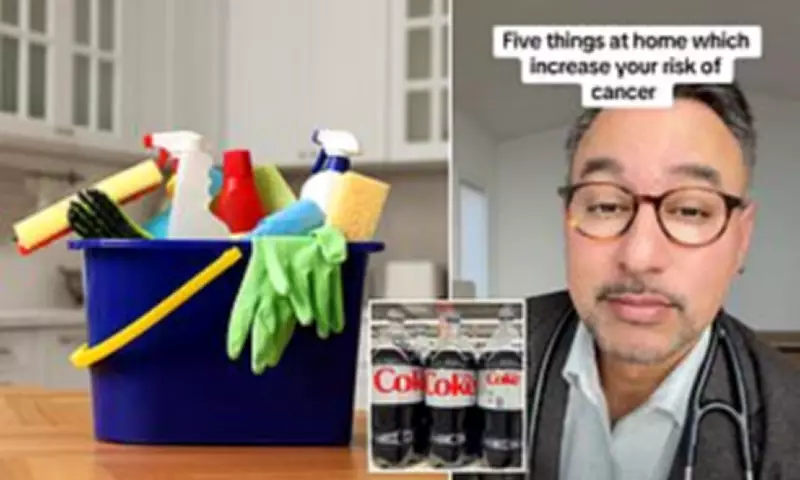
Even routine household cleaning activities come under scrutiny, as Dr. Garg points out that harsh cleaning agents should be avoided. He explains these products 'produce volatile organic compounds, increasing risk of leukaemia and bladder cancer.' Numerous conventional cleaners release volatile organic compounds (VOCs), which contribute to indoor air pollution. While much research connecting VOC exposure to cancer risk concentrates on long-term occupational environments, experts generally advise using milder alternatives and guaranteeing proper ventilation during cleaning tasks.

A Balanced Approach to Nutrition
Despite his prudent stance on environmental exposures, Dr. Garg demonstrates a refreshingly balanced perspective regarding food consumption. In another video segment, he shared his preferred healthy and palatable snacks, encompassing a diverse array including yoghurt with blueberries, Diet Coke, edamame beans, popcorn, apples paired with peanut butter, chocolate, bell peppers accompanied by hummus, frozen grapes, bananas, and walnuts. However, his inclusion of Diet Coke ignited immediate discussion among his followers, with comments ranging from appreciation to humorous observations about 'girl dinner' and reflections on life's brevity.
Artificially sweetened beverages containing ingredients like aspartame have undergone extensive scrutiny over time, but global food safety authorities have established acceptable daily intake limits for common sweeteners. Most health organisations concur that moderate consumption is unlikely to substantially increase cancer risk. Dr. Garg remarked, 'It’s okay to drink a Diet Coke. Aspartame has been studied extensively; at normal intake, it’s considered safe.' His holistic approach underscores the importance of awareness without unnecessary alarm, blending caution with practical enjoyment in daily life.