Colorectal Cancer Emerges as Leading Cancer Killer for Under-50s in the United States
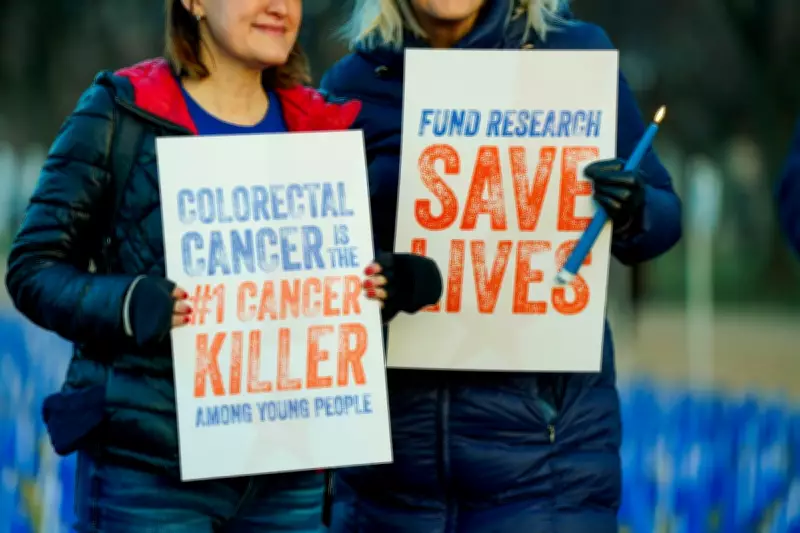
Colorectal cancer has become the primary cause of cancer-related deaths among individuals under the age of 50 in the United States, according to a recent analysis by the American Cancer Society. This alarming trend has prompted health experts and survivors to issue urgent warnings for younger people to take symptoms seriously and seek timely medical evaluation.
Personal Stories Highlight the Urgency
Becca Lynch, a 29-year-old cybersecurity professional from Denver, Colorado, was diagnosed with advanced colon cancer last year. Initially dismissing her symptoms as stress-related, she experienced "pencil thin" bowel movements and increased frequency, up to five or six times daily, before noticing thick, dark blood in her stool. Lynch delayed a colonoscopy for months but was eventually diagnosed with stage 3B colon cancer after being inspired by an Instagram video from Cass Costley, who later succumbed to the disease.
Rebecca Siegel, an epidemiologist and senior director of cancer surveillance research at the American Cancer Society, notes that Lynch's case is "very common." Approximately three-quarters of young adults are diagnosed with advanced colorectal cancer due to lack of routine screening and dismissal of symptoms based on age assumptions.

Symptoms and Screening Recommendations
Siegel emphasizes that rectal bleeding persisting for more than a couple of weeks warrants immediate medical consultation. For those hesitant about colonoscopies, stool tests like Cologuard and the FIT test offer alternative screening methods to rule out cancer. In contrast, colorectal cancer rates among individuals over 65 continue to decline by over two percent annually, while for younger demographics, it has surged from the fifth to the leading cause of cancer death since the 1990s.
Unique Challenges for Younger Patients
The rise in younger cases necessitates tailored medical approaches, as doctors traditionally treat older patients less concerned with fertility and sexual dysfunction. Siegel advocates for pre-treatment discussions on preserving fertility and sexual function, highlighting that many young survivors discover infertility post-treatment.
Potential Causes and Risk Factors
The increase in colorectal cancer among younger people is attributed to a "birth cohort effect," suggesting exposure to risk factors introduced in the mid-20th century, with each subsequent generation facing heightened risk. While lifestyle factors like inactivity, obesity, and alcohol consumption contribute, they do not fully explain the spike. Possible environmental contributors include increased consumption of processed foods, processed meats, and microplastics from packaging, which can cross biological barriers like the colon.
Certain populations, such as Alaska Natives, exhibit the highest colorectal cancer mortality rates globally, though funding limitations hinder research into the causes. Siegel suggests that studying these disparities could unlock insights into the broader rise among young people.
Advocacy and Awareness Efforts
Survivors like Prosanta Chakrabarty, a 47-year-old evolutionary biologist from Baton Rouge, Louisiana, who was diagnosed with advanced colon cancer in 2024 despite a healthy lifestyle, and Becca Lynch, now symptom-free post-surgery, are publicly sharing their experiences to combat embarrassment and encourage early diagnosis. Lynch conducted a Reddit AMA, while Chakrabarty posted a video in an inflatable colon on Bluesky, underscoring the importance of open dialogue.
As colorectal cancer claims more lives among younger Americans, increased awareness, proactive screening, and targeted research are critical to reversing this troubling trend.