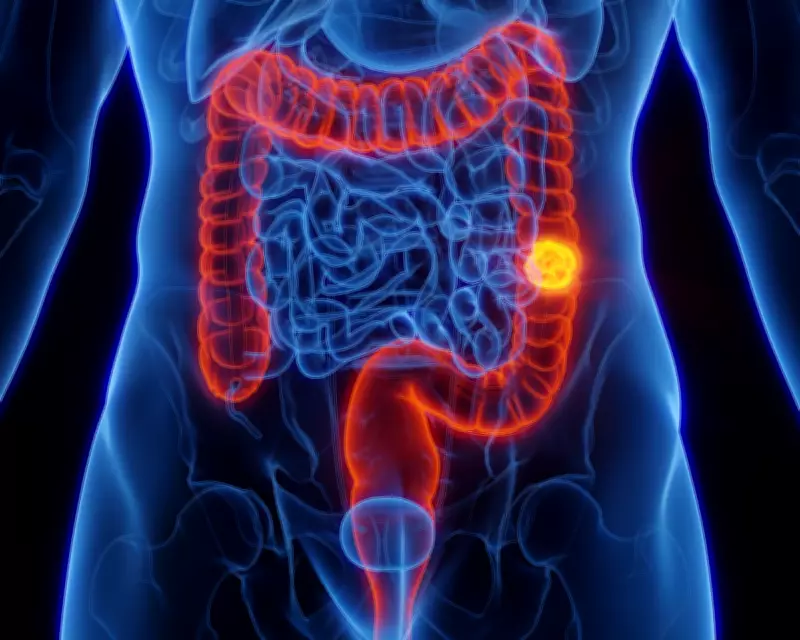
Understanding Colorectal Cancer and Its Growing Impact on Younger Populations
Colorectal cancer, encompassing both colon and rectal cancers, represents a significant global health challenge. According to the World Health Organization, it ranks as the third most common cancer worldwide and the second leading cause of cancer-related deaths. While overall rates are declining, there is a concerning rise in cases among individuals under 50, highlighting the need for increased awareness and proactive measures.
What Exactly Is Colorectal Cancer?
Colorectal cancer serves as an umbrella term for cancers affecting the colon and rectum, which are integral parts of the large intestine. Although these cancers are treated differently, they can sometimes occur simultaneously. Dr. Derek Ebner, a gastroenterologist at Mayo Clinic in Rochester, Minnesota, notes that understanding this distinction is crucial for effective diagnosis and management.
Can Colorectal Cancer Be Prevented?
While there is no guaranteed way to prevent colorectal cancer, as it can occur randomly, certain lifestyle choices can significantly reduce risk. Dr. Deirdre Cohen, director of the gastrointestinal oncology program at Mount Sinai, emphasizes avoiding smoking and heavy alcohol use. A healthy diet rich in fruits, vegetables, and high fiber, such as the Mediterranean diet, is also recommended, while processed meats like hot dogs and bacon should be limited.

Research supports these guidelines; a 2024 study in Cancer Epidemiology, Biomarkers & Prevention found that high red meat intake increases colorectal cancer risk by 30%, and processed meat intake raises it by 40%. Additionally, regular exercise plays a critical role in risk reduction and may lower recurrence rates, as shown in a 2025 study published in the New England Journal of Medicine.
The Role of Inflammation and Genetic Factors
Chronic inflammation is a known risk factor for colorectal cancer, often linked to conditions like inflammatory bowel disease or lifestyle factors such as alcohol consumption and ultra-processed foods. Dr. Ebner explains that inflammation may generate free radicals, causing DNA damage, though this relationship is still under investigation.
Genetic factors also contribute, with syndromes like Lynch syndrome increasing risk. Dr. Cohen advises that individuals with a family history should consult a genetic counselor and consider early colonoscopy screening.
Why Are Cases Rising in Younger People?
Despite overall declines due to improved screening, colorectal cancer rates have increased by about 3% annually since 2010 in people under 50, with death rates rising by 1% annually since 2005 in this age group. Dr. Cohen describes this trend as "astronomical," suggesting environmental changes, such as diets high in ultra-processed foods and sugary beverages, may be drivers. While some studies link childhood antibiotic use to higher risk, evidence for adult use remains inconclusive.
Recognizing Symptoms and the Importance of Screening
Colorectal cancer can be asymptomatic, making screening vital. Symptoms may include blood in stool, changes in bowel habits, sudden weight loss, or abdominal pain. Dr. Ebner encourages patients to discuss these issues openly with healthcare providers to facilitate timely intervention.
In the United States, screening is recommended starting at age 45 for most individuals, yet about one-third of eligible people have not been screened. Options include colonoscopy, stool-based tests, and blood-based tests, each with specific benefits. Dr. Ebner stresses that "the best test is the one that gets done," as adherence improves when patients choose a suitable method. For high-risk individuals, colonoscopy is preferred for its ability to detect and remove precancerous polyps.
Treatment and Prognosis
Colorectal cancer is highly treatable with early detection. Stage 1 cases have a cure rate exceeding 90%, while stage 4 rates are around 15%. Treatments vary and may involve surgery, radiotherapy, chemotherapy, targeted therapy, or immunotherapy, depending on the disease stage. Dr. Cohen highlights that colorectal cancer screening tools are effective, underscoring the importance of regular check-ups for better outcomes.