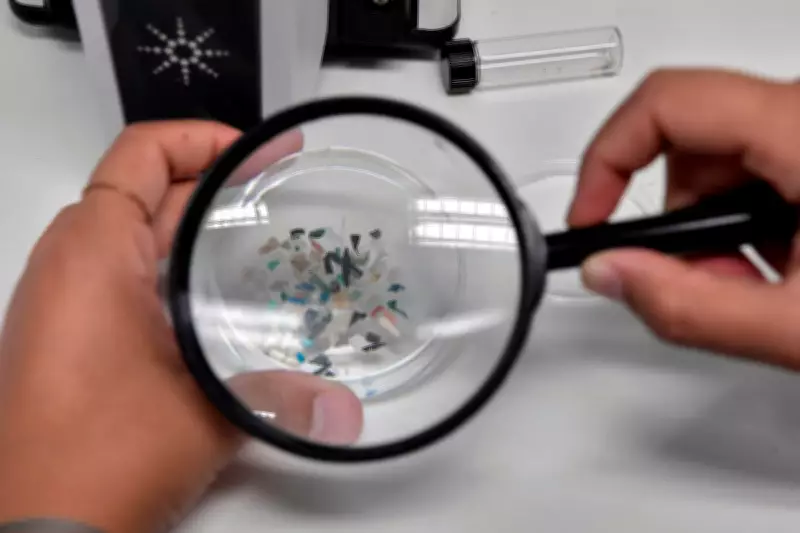
Alarming Levels of Microplastics Detected in Prostate Cancer Tumours
A groundbreaking study has uncovered microplastics in nine out of ten prostate cancer tumours, with researchers discovering that these minuscule particles were present in significantly higher concentrations within tumours compared to adjacent noncancerous tissue. The investigation, conducted by a team from NYU Langone Health in the United States, aimed to explore whether exposure to microplastics could contribute to the development of prostate cancer, which is the most commonly diagnosed cancer in adult males aged 45 and over, according to the NHS.
Widespread Human Exposure to Microplastics
Experts have identified that when plastic from sources such as food packaging, cosmetics, and other everyday items is used, heated, or chemically treated, it can degrade into smaller fragments and become ingested. Additionally, individuals are exposed to plastics through inhalation from the air and absorption through the skin. Previous studies have detected microplastics in nearly every human organ, as well as in body fluids and the placenta, yet their impact on human health has remained poorly understood, as noted by NYU.
Study Methodology and Key Findings
The research team examined prostate tissue collected from ten patients undergoing surgery to remove the gland. Plastic particles were identified in 90% of tumour samples and in 70% of benign prostate tissue samples. The difference in concentration was particularly notable, with tumour samples containing an average of about 2.5 times more plastic than healthy tissue—approximately 40 micrograms of plastic per gram of tissue compared to 16 micrograms per gram.

"Our pilot study provides important evidence that microplastic exposure may be a risk factor for prostate cancer," stated study lead author Stacy Loeb, MD, a professor in the NYU Grossman School of Medicine’s Departments of Urology and Population Health.
Implications for Public Health and Regulation
According to Dr. Loeb, while early data had suggested links between microplastics and other health conditions such as heart disease and dementia, there had been little direct evidence connecting these substances to prostate cancer. "By uncovering yet another potential health concern posed by plastic, our findings highlight the need for stricter regulatory measures to limit the public’s exposure to these substances, which are everywhere in the environment," added study senior author Vittorio Albergamo.
Future Research Directions
Dr. Albergamo indicated that the research team plans to investigate what microplastics do in the body and how they might lead to cancer development. One possibility they intend to explore is that the particles may trigger an overactive immune response, such as inflammation, in the tissue. Over time, this could damage cells and prompt genetic changes that cause cancer cells to form.
In the UK, about one in eight men will develop prostate cancer in their lifetime, underscoring the urgency of understanding and mitigating environmental risks like microplastic exposure.