Breakthrough in Pancreatic Cancer Research as Triple-Drug Therapy Shows Remarkable Results
Scientists have made a significant stride towards finding a cure for pancreatic cancer, one of the deadliest forms of the disease, following promising results from a new drug trial. Researchers from the Spanish National Cancer Research Centre (CNIO) have developed an experimental triple-drug therapy that demonstrated evidence of reversing pancreatic cancer in laboratory mice.
Targeting the Elusive KRAS Gene Mutation
The findings, published in the prestigious medical journal PNAS, reveal how this innovative therapy specifically targets a mutation of the KRAS gene, which is present in approximately 90 per cent of pancreatic cancer cases. This mutated gene, scientifically known as an oncogene, drives cells to grow and divide uncontrollably, leading to the development of cancer.
Historically, the KRAS oncogene has proven extremely difficult to treat effectively. Existing treatments that attempt to block its replication have often been quickly outwitted by the cancer's adaptive mechanisms. However, this new approach represents a paradigm shift in thinking.

A Multi-Pronged Attack on Cancer's Survival Routes
The novel treatment utilises three different drugs simultaneously to block three of the cancer's critical survival routes. This multi-target strategy makes it considerably harder for tumours to develop and resist treatment, suggesting that combination therapies, rather than single drugs, may be essential for combating pancreatic cancer effectively.
The research team, led by the renowned Dr Mariano Barbacid, rigorously tested this approach on three distinct types of laboratory mice. These included mice genetically engineered to be born with cancer-causing genes, those with human pancreatic cancer tissue implanted into their pancreas, and others with surgically implanted pancreatic cancer cells.
Complete Elimination in Animal Models
Remarkably, the triple-drug treatment successfully eliminated cancer cells in all of the mouse models tested. This consistent outcome has led the scientists to conclude that their results are robust enough to directly inform the design of new human clinical trials.
In their published study, the researchers wrote: 'These studies open a path to designing new combination therapies that can improve survival for patients with pancreatic ductal adenocarcinoma [the most common pancreatic cancer]. These results point the way for developing new clinical trials.'
Cautious Optimism and Recognised Limitations
While the results are undoubtedly promising, the scientists acknowledge important limitations. The mice used in the study were generally young and otherwise healthy, which does not fully reflect the condition of many human pancreatic cancer patients who may be older or have other health complications. Furthermore, these are animal studies, and success in mice does not guarantee the same outcome in humans.
Despite these caveats, the research team regards their findings as potentially highly significant. This view is shared by the Spanish government, with the Embassy of Spain in the UK highlighting the achievement on social media platform X, stating: 'A team of scientists from the Spanish Cancer Research Centre, led by the renowned Dr Mariano Barbacid, has achieved the complete and permanent disappearance of pancreatic cancer in experimental models. This discovery could make a difference in the fight against this disease.'
The Dire Reality of Pancreatic Cancer
The urgency for new treatments cannot be overstated. Pancreatic cancer remains incurable for the vast majority of patients, with a life expectancy of just five years from initial diagnosis. The disease kills by aggressively invading nearby organs, blocking bile and intestinal ducts, and spreading via the blood and lymphatic system to the liver, lungs, and abdomen, eventually triggering organ failure.
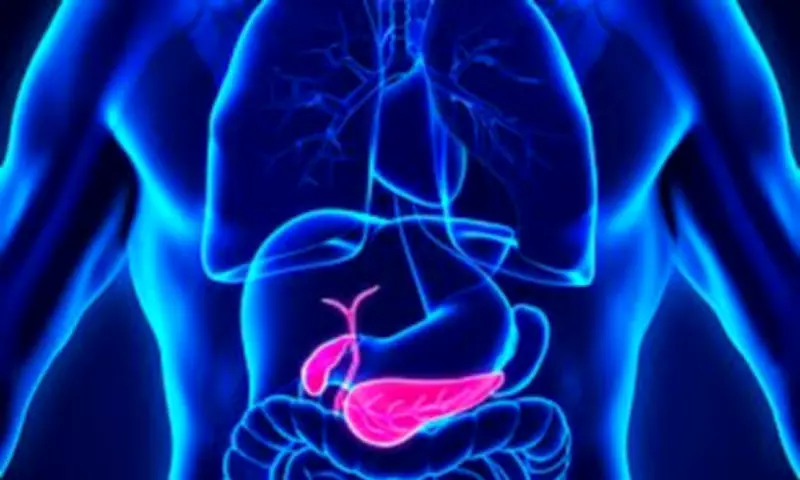
The pancreas is a vital organ that aids digestion and produces crucial hormones like insulin and glucagon, which help convert sugar from food into energy. Pancreatic cancer can inhibit the gland from producing enough of these hormones, leading to unstable blood sugar levels.

Symptoms and the Challenge of Late Diagnosis
Common symptoms of this devastating cancer include:
- Jaundice, where the skin and eyes take on a yellowish tinge
- Loss of appetite and unexplained weight loss
- Fatigue and a high temperature
- Nausea, vomiting, diarrhoea, and constipation
Research published last year indicated that more than half of patients diagnosed with the six least curable cancers—including lung, liver, brain, oesophageal, stomach, and pancreatic—die within a year of diagnosis. In the UK, more than 90,000 people are diagnosed with one of these deadly cancers annually, accounting for nearly half of all common cancer deaths, according to Cancer Research UK.
Specifically for pancreatic cancer, around 10,500 people are diagnosed in the UK each year. Tragically, more than half of these patients die within three months of diagnosis, and less than eleven per cent survive for five years. A major contributing factor is the lack of early detection tests; approximately 80 per cent of people are not diagnosed until the cancer has already spread, making life-saving treatment virtually impossible.
This new research from Spain offers a glimmer of hope, suggesting that a multi-drug strategy targeting the fundamental genetic drivers of the disease could be a crucial step forward in changing these bleak statistics.