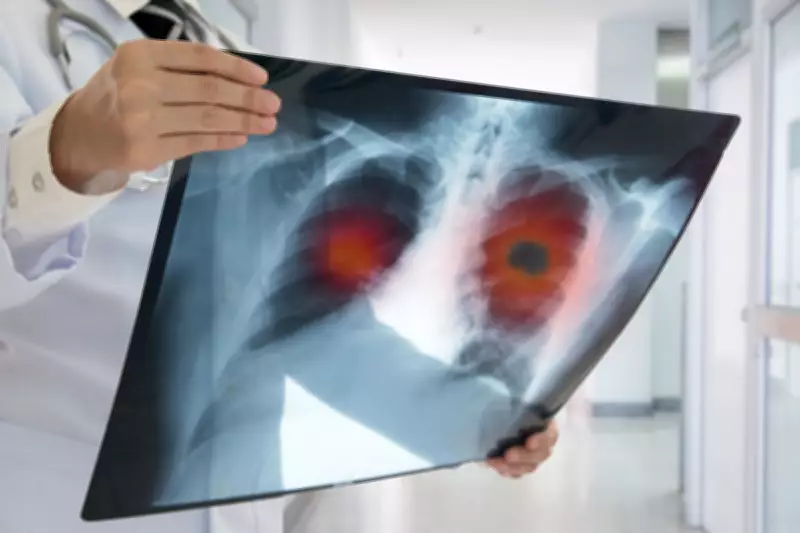
Cancer death rates across the United Kingdom have plummeted to a historic new low, according to a comprehensive study released by Cancer Research UK. The charity's analysis, shared with the Press Association, indicates that death rates have fallen by an impressive 11 per cent over the last decade, marking a significant milestone in the nation's public health landscape.
Decades of Progress in Cancer Mortality
Currently, approximately 247 individuals per 100,000 people in the UK are estimated to die from cancer annually. This figure represents a substantial 29 per cent reduction from the peak recorded in 1989, when around 355 per 100,000 people succumbed to the disease. The data underscores a long-term trend of improvement, reflecting advancements in medical science and healthcare policies.
Notable Declines in Specific Cancer Types
The study highlights dramatic decreases in death rates for several specific cancers over the past ten years. Ovarian cancer has seen a 19 per cent fall, while stomach cancer rates have dropped by 34 per cent and lung cancer by 22 per cent. Other significant reductions include breast cancer (down 14 per cent), cervical cancer (down 11 per cent), leukaemia (down 9 per cent), oesophageal cancer (down 12 per cent), and bowel cancer (down 6 per cent).

Areas of Concern and Stability
Despite these encouraging trends, the report notes that some cancer death rates have increased in the same period. Gallbladder cancer has risen by 29 per cent, eye cancer by 26 per cent, liver cancer by 14 per cent, and kidney cancer by 5 per cent. Meanwhile, death rates for thyroid cancer, pancreatic cancer, and melanoma have remained stable, indicating areas where further research and intervention may be needed.
Impact of Screening and Vaccination Programmes
The NHS cervical screening programme has had a profound effect, contributing to a 75 per cent drop in cervical cancer death rates since the 1970s. Additionally, the human papillomavirus (HPV) vaccine, administered to schoolchildren since its introduction in 2008, has been instrumental in driving down cervical cancer cases. To date, at least 6.5 million people in the UK have received this preventive vaccine.
Expert Insights on Scientific Breakthroughs
Dr Sam Godfrey, science engagement lead at Cancer Research UK, emphasised that the overall decline in death rates is a testament to decades of scientific innovation. "These figures represent crucial breakthroughs—from vaccines that prevent cancer to kinder, more targeted treatments," he stated. "Because of this, thousands more people today can make memories, reach milestones, and spend precious time with their loved ones."
Dr Godfrey also highlighted the UK's role as a global leader in cancer research but cautioned against complacency. "It's essential that the Government makes it easier and faster to set up clinical trials, as well as providing NHS staff with the time and space to carry out life-saving research," he urged.
Contributing Factors to Falling Death Rates
Improved treatments have played a key role in reducing mortality. For instance, abiraterone, a drug developed by Cancer Research UK scientists that blocks testosterone from fuelling prostate cancer, has helped contribute to an 11 per cent drop in prostate cancer death rates over the last decade. Other factors include smoking bans and the nationwide rollout of screening programmes for breast, bowel, and cervical cancers.
Challenges Ahead with an Ageing Population
However, the charity warns that a growing and ageing population presents ongoing challenges. Despite the falling death rates, the overall number of people dying from cancer continues to rise, underscoring the need for sustained investment in research, prevention, and healthcare infrastructure to maintain progress in the fight against this disease.