Oxford University Study Reveals Vegetarian Diet Cuts Cancer Risk by Up to 30%
In the largest research project of its kind ever conducted, scientists from Oxford University have analysed the dietary habits of 1.7 million individuals worldwide to uncover startling connections between eating patterns and cancer susceptibility. The groundbreaking investigation, published in the prestigious British Journal of Cancer, demonstrates that vegetarian diets can dramatically reduce the risk of developing several major cancers, while simultaneously revealing unexpected vulnerabilities for those following vegan lifestyles.
Comprehensive Analysis of Dietary Impact on Cancer Development
The monumental study incorporated data from numerous international research projects, with the majority of participants hailing from the United Kingdom and United States. Researchers meticulously examined 1.64 million meat eaters alongside 57,016 poultry consumers who avoided red meat, 42,910 pescatarians who consumed fish but no other meats, 63,147 vegetarians, and 8,849 vegans. This unprecedented scale allowed for statistically significant conclusions about how different dietary approaches influence cancer development across multiple organ systems.
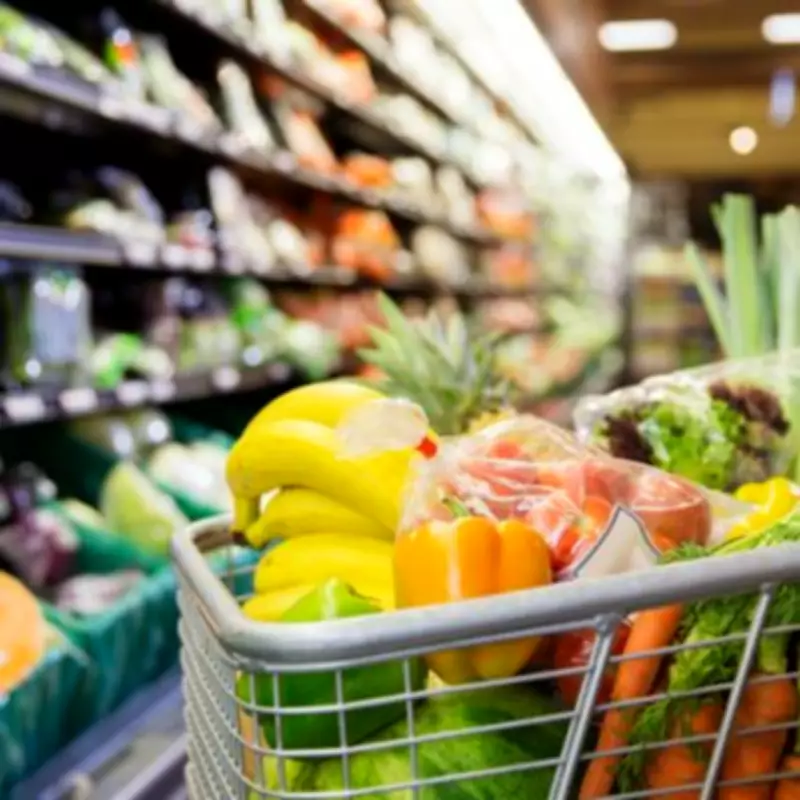
Principal investigator Aurora Perez Cornago explained the potential mechanisms behind the protective effects observed: "Vegetarians typically consume more fruit, vegetables and fibre than meat eaters and avoid processed meat entirely, which may contribute significantly to lower risks of certain cancers." The research team investigated seventeen different cancer types, including those affecting the gastrointestinal tract, lungs, reproductive system, urinary tract, and blood cancers, using detailed food questionnaires to assess dietary patterns while accounting for confounding factors like body mass index.

Vegetarian Advantages and Vegan Vulnerabilities
The study revealed compelling protective benefits for vegetarians across multiple cancer types:
- 21% lower risk of pancreatic cancer compared to meat eaters
- 9% reduced risk of breast cancer
- 12% decreased prostate cancer risk
- 28% lower kidney cancer incidence
- 31% reduced risk of multiple myeloma, a blood cancer
However, the research uncovered concerning findings for vegan participants, who demonstrated a significantly higher risk of bowel cancer compared to meat eaters. Researchers suggested this vulnerability might stem from nutritional deficiencies, particularly low calcium intake averaging just 590 milligrams daily compared to the recommended 700 milligrams, alongside potential shortfalls in other essential nutrients typically more abundant in animal-derived foods.
Additionally, vegetarians showed nearly double the risk of developing the most common form of oesophageal cancer compared to meat consumers. Professor Tim Key, co-investigator and emeritus professor of epidemiology at Oxford Population Health, noted: "Although vegetarians do consume more fibre, fruits and vegetables, the dietary differences between groups weren't substantial. My assessment suggests the cancer risk variations relate more directly to meat consumption itself rather than simply vegetarians eating healthier foods overall."
Expert Recommendations and Global Implications
With approximately three million vegetarians currently in the UK and growing global interest in plant-based diets, these findings carry significant public health implications. Dr Helen Croker, assistant director of research at the World Cancer Research Fund International, which funded the study, advised: "To maximise protection against cancer, structure meals around wholegrains, pulses, fruits and vegetables while avoiding processed meats and limiting red meat consumption."
Amy Hirst, health information manager at Cancer Research UK, emphasised balanced dietary approaches: "When reducing cancer risk, maintaining a healthy, varied diet matters more than individual food choices. Prioritise fruits, vegetables, wholegrains and diverse protein sources while minimising processed and red meats, alcohol, and foods high in fat, salt and sugar."

The research confirms established knowledge about processed meats like ham, bacon and salami increasing bowel cancer risk, and possibly stomach cancer, while red meats including beef, pork and lamb also elevate cancer probabilities. White meats such as chicken and turkey showed no established cancer links in the study.
This comprehensive Oxford investigation provides the most detailed evidence to date about how dietary choices influence cancer development, offering both encouraging news for vegetarians and important cautions for those following strict vegan regimens, highlighting the critical importance of nutritional balance in cancer prevention strategies.