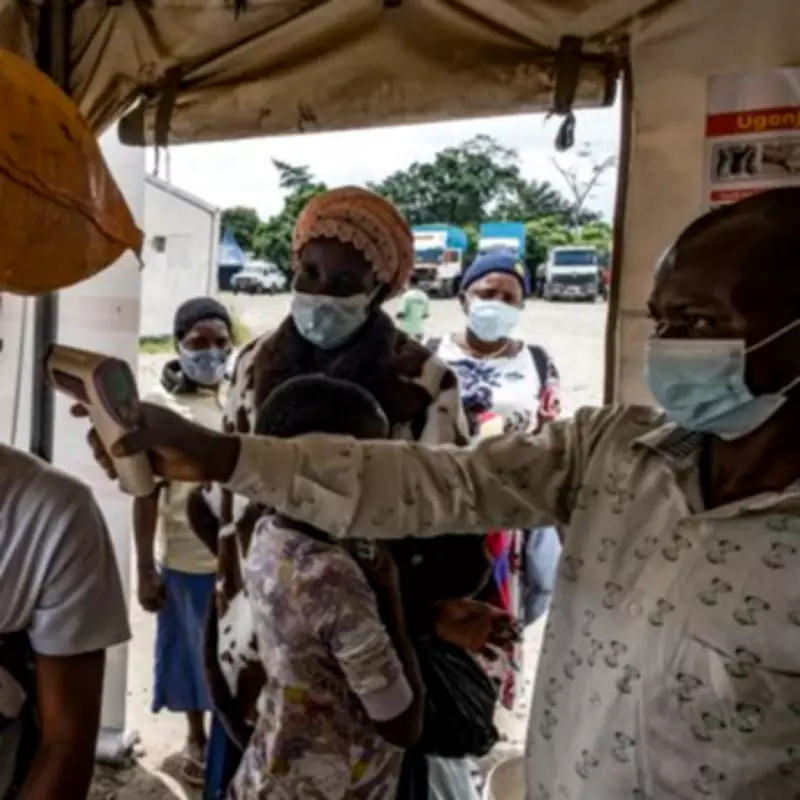
A humanitarian leader in the Democratic Republic of Congo has highlighted a critical shortfall in the fight against the country's 17th Ebola outbreak: the absence of a dedicated treatment centre in the worst-affected areas. The World Health Organisation has reported 600 suspected cases and 139 suspected deaths so far, with 51 confirmed cases in the DRC and two in neighbouring Uganda.
Rare Strain Poses New Challenges
The outbreak, centred in the northern Ituri province, involves the rare Bundibugyo species of Ebola. Unlike previous outbreaks, there is no approved vaccine or specific antiviral drugs for this strain. WHO chief Dr Tedros Adhanom Ghebreyesus has acknowledged that a vaccine could be months away.
Dr Yakubu Mohammed Sanni, Country Director of ActionAid DRC, told the Mirror that hospitals in the impacted areas are "overwhelmed" and lack adequate infection control supplies. He emphasised that the absence of an Ebola treatment centre in Bunia, the provincial capital, is particularly dangerous.

Hospitals Forced to Adapt
The first known case was a nurse who died on 24 April in Bunia. Dr Yakubu explained that most cases are being referred to general hospitals, which have had to designate special wards for Ebola patients at the expense of regular care. "Isolation and distancing is quite difficult," he said, stressing the urgent need for a dedicated centre to facilitate safe referrals and reduce the risk of further spread.
Dr Yakubu added: "Let's have an Ebola treatment centre that will be able to take care of these people even at the zonal level to avoid transporting people."
Global Risk Assessment
The WHO has assessed the risk of global spread as high at national and regional levels but low globally. The DRC's health minister, Samuel-Roger Kamba, noted that the first death occurred on 24 April, but confirmation took weeks, allowing the outbreak to escalate. The body was repatriated to the Mongbwalu health zone, a mining area with a large population, further complicating containment efforts.
Dr Anne Ancia, head of the WHO team in the DRC, said authorities have yet to identify "patient zero" and warned of a long road ahead. She also cited funding cuts that have had a "marked detrimental effect on humanitarian actors."