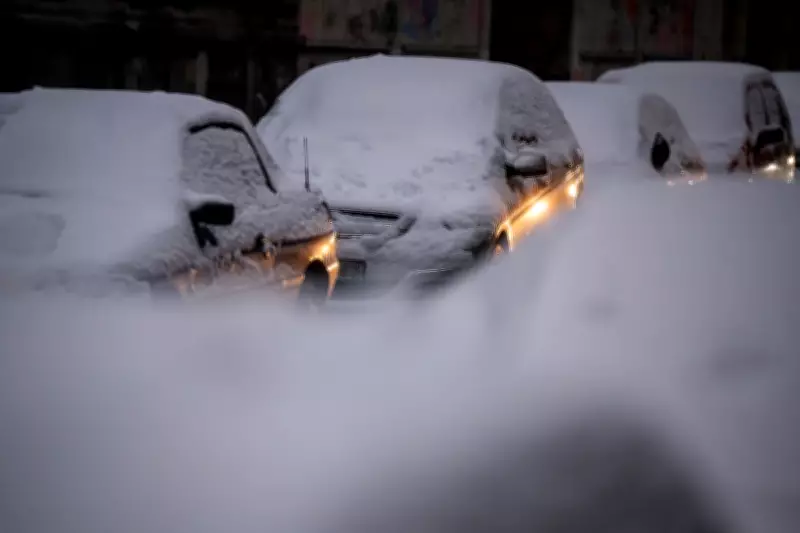
Tragic Student Death Exposes Carbon Monoxide Risks During Winter Storms
A Rhode Island college football player has died from carbon monoxide poisoning after attempting to charge his phone in his car during a severe snowstorm and widespread power outage. The incident highlights the lethal dangers posed by this odorless gas, particularly in winter conditions.
Details of the Fatal Incident
First responders discovered Joseph Boutros, a 21-year-old student at Salve Regina University, unresponsive in his vehicle on Monday in Newport, Rhode Island. The car was parked outside a university building when police found it with its exhaust pipe obstructed by snow. Authorities confirmed his death resulted from accidental carbon monoxide poisoning.
Captain Joseph Carroll of the Newport Police Department revealed that the area was experiencing a power outage at the time. Boutros had informed a fellow student he was using his car to charge his phone during the storm, which left hundreds of thousands without electricity across the Northeast.

The university's football team expressed profound grief in an Instagram post, stating they were "heartbroken" by Boutros' untimely death. Meanwhile, many Rhode Island residents faced a third consecutive morning trapped in their homes as residential streets remained unplowed following the blizzard.
Winter's Silent Killer: Understanding Carbon Monoxide Risks
Blizzards present numerous hazards, from icy conditions to extreme cold. However, one of the most deadly threats remains completely undetectable to human senses. Carbon monoxide poisoning poses significantly higher risks during winter months and after heavy snowfall, according to the Centers for Disease Control.
During cold weather, people increasingly rely on furnaces, heaters, and vehicles that can emit this lethal gas. Various malfunctions can obstruct proper ventilation, including snow accumulation that blocks exhaust pipes or vents. The gas is often called the "silent killer" because it lacks color, odor, or taste.
How Carbon Monoxide Affects the Body
Prolonged exposure to carbon monoxide reduces blood's ability to transport oxygen to vital organs. Initial symptoms include throbbing headaches, disorientation, and drowsiness, progressing to unconsciousness, convulsions, and ultimately death if exposure continues.
Winter conditions frequently lead to dangerous scenarios when people use heating systems without adequate ventilation. Common mistakes include running cars in enclosed spaces, bringing grills indoors, or using gas stoves for personal warmth. These situations allow carbon monoxide to accumulate to deadly levels.
Historical Precedents and Broader Dangers
Tragic cases like Boutros' death echo historical incidents. During a massive 1978 snowstorm that dropped two feet of snow across New England, approximately 3,000 cars and 500 trucks became stranded along an eight-mile stretch of Massachusetts highway. Fourteen people died from carbon monoxide poisoning while waiting in their snowbound vehicles.
The risk extends beyond automobiles. During a historic 2022 storm that claimed over three dozen lives, at least one person died when snow covered furnaces and directed carbon monoxide into their New York home.
Safety Recommendations for Vehicle Use
Jake Fisher, senior director of auto testing at Consumer Reports, notes that sitting in an idling car is generally safe for extended periods. However, drivers should remain vigilant for warning signs and ensure annual inspections. Vehicles become more susceptible to exhaust leaks following collisions and should be thoroughly examined before returning to road use.
"Engines emit numerous dangerous chemicals and gases," Fisher emphasized. "If your vehicle isn't operating correctly or produces unusual sounds, immediate professional inspection is crucial."
This tragic incident serves as a stark reminder of winter's hidden dangers, urging increased awareness about carbon monoxide risks during power outages and severe weather conditions.