Usutu Virus Linked to Yellow Fever Detected in Scotland for First Time
The usutu virus, a mosquito-borne pathogen related to the viruses that cause yellow fever and West Nile disease, has been discovered in Scotland for the very first time. This marks a significant expansion of the virus's known range in the United Kingdom.
Discovery on the Isle of Arran
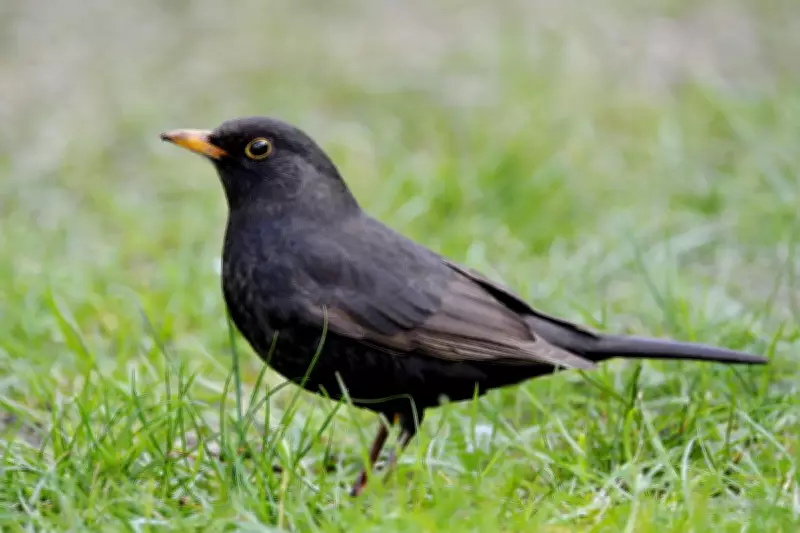
The virus was identified in blackbirds on the Isle of Arran through a national bird surveillance programme. Residents on the island raised concerns during the summer of 2025 after observing a cluster of blackbirds displaying neurological symptoms or found dead. This prompted immediate investigation by health authorities.
Public Health Risk Assessment
The Animal and Plant Health Agency (APHA) has confirmed that while the usutu virus has been circulating in south-east England for six years, there have been no human cases reported to date in the UK. The agency stresses that the risk to the general public remains very low. Usutu virus, which belongs to the same family as dengue, yellow fever, and West Nile virus, very rarely causes symptomatic disease in humans.

Ecological Impact and Surveillance
Andra-Maria Ionescu, manager of the APHA national reference lab for vector-borne diseases, stated: "The detection of usutu virus in blackbirds in Scotland shows that countries further north are now facing an increased risk of mosquito-borne viruses." The virus is known to cause significant declines in blackbird populations across many European nations, including the UK.
This finding underscores the critical need for improved, nationwide surveillance of wild birds and mosquitoes to better evaluate risks to both animal and human health. The surveillance programme was a collaborative effort involving the APHA's vector-borne disease group, Scotland's Rural College (SRUC) Veterinary Services, and the University of Glasgow's Mosquito Scotland research programme.
Expert Commentary and Future Preparedness
Professor Heather Ferguson, Mosquito Scotland project lead at the University of Glasgow, commented: "Mosquito-borne diseases are increasingly likely to get a foothold in the UK, including in Scotland, as our environment continues to change." She emphasised that this detection should serve as an opportunity to invest in robust surveillance systems to enhance preparedness for future outbreaks.
Fortunately, the discovery coincided with the ongoing Mosquito Scotland project, enabling a rapid response team to deploy to Arran for immediate investigation. This confirmed the presence of several mosquito species near the infected birds, including types capable of spreading the usutu virus.
Public Guidance and Recommendations
The APHA is urging the public to continue reporting any dead birds, particularly songbirds, owls, or birds showing neurological signs. Additionally, to minimise mosquito breeding grounds, people are encouraged to:
- Keep gardens free of stagnant water
- Be especially vigilant during the mosquito active season from April to October
This proactive approach aims to mitigate potential risks and maintain the very low threat level to human health.