Vietnam Grapples with Severe Hand, Foot and Mouth Disease Outbreak
Health authorities in Vietnam have confirmed at least three fatalities linked to a significant outbreak of hand, foot and mouth disease (HFMD) since the start of the year. The Ho Chi Minh City Centre for Disease Control disclosed the troubling figures, highlighting a surge in cases across the nation's most populous urban centre.
Rising Case Numbers and Cluster Alerts
Approximately 7,300 HFMD infections have been officially recorded in Ho Chi Minh City alone during this period. A notable spike occurred between 9 and 15 March, with 837 new cases identified. The city's health monitoring systems have flagged at least eight severe instances, six of which originated from neighbouring provinces.
Community transmission appears widespread, with health officials documenting 30 separate school-based clusters and 49 additional community outbreaks. Several localities have experienced marked increases, including Ho Tram Commune, which reported four distinct HFMD clusters.

Detection of Highly Virulent EV71 Strain
Vietnamese health experts have raised particular concern following laboratory surveillance that detected Enterovirus 71 (EV71) in 25 per cent of tested samples. This specific strain is recognised for its heightened virulence and rapid transmission capabilities.
EV71 can provoke severe neurological and respiratory complications, potentially proving fatal for children under five years old. While HFMD predominantly affects young children, adults remain susceptible to infection, according to guidance from the United States Centres for Disease Control and Prevention.
Transmission Methods and Symptom Awareness
The disease spreads through multiple pathways: respiratory droplets from coughing, sneezing or talking; contact with contaminated surfaces or objects; exposure to blister fluid; and faecal-oral transmission. Nguyen Van Lam, director of the National Children's Hospital's Centre for Tropical Diseases, emphasised that "hand, foot and mouth disease is common in children under five and can spread easily in the community."
Typical symptoms include fever, sore throat, painful mouth sores that develop into blisters, and a characteristic rash on hands and feet. Most children experience mild symptoms that resolve within seven to ten days, but Mr Lam cautioned that "the number of skin lesions does not reflect how severe the disease is. Some children may only have mild symptoms such as fever or mouth ulcers but can worsen very quickly."
Preventative Measures and Public Health Response
Health authorities have issued clear guidance to curb transmission:
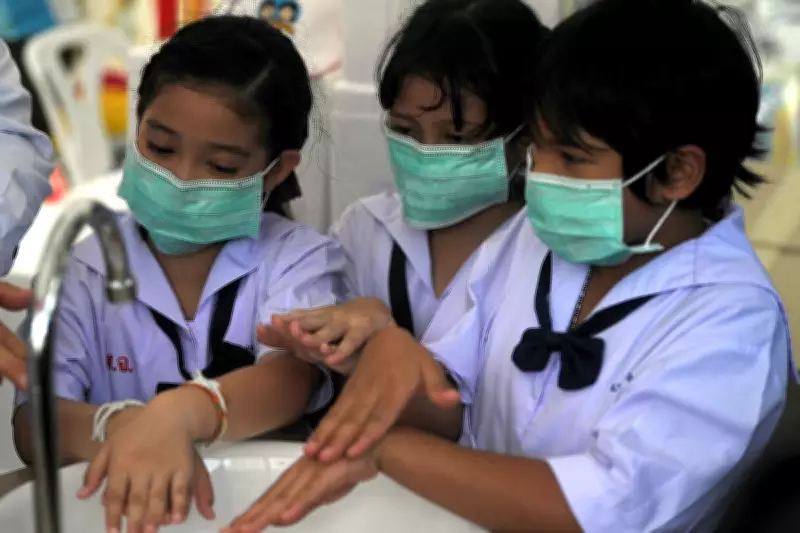
- Frequent handwashing with soap and water for at least twenty seconds, particularly after diaper changes
- Assisting children with proper hand hygiene and maintaining blister cleanliness
- Avoiding face touching with unwashed hands
- Regular disinfection of frequently touched surfaces and shared items like toys
The Vietnamese health ministry has instructed the education department to ensure all schools maintain adequate handwashing facilities with clean water and soap. Educational institutions are urged to collaborate closely with local health authorities to amplify public messaging, especially regarding EV71 risks, and to help parents recognise early symptoms for prompt medical intervention.
Proposed Isolation Protocols for Infectious Diseases
In a separate development this week, the health ministry proposed mandatory medical isolation for nine infectious diseases, including HFMD, alongside a rapid-response mechanism to be activated within hours of detection. The proposed framework would apply isolation measures to four distinct groups: confirmed cases, suspected cases, asymptomatic carriers, and individuals exposed to infectious agents.
Isolation could be implemented in various settings including private residences, medical facilities, or border checkpoints, with decisions resting with commune-level authorities, hospital directors or border officials. Authorities would retain the power to requisition facilities such as schools, dormitories, military barracks, police compounds, hotels, factories and apartment buildings for isolation purposes when necessary.