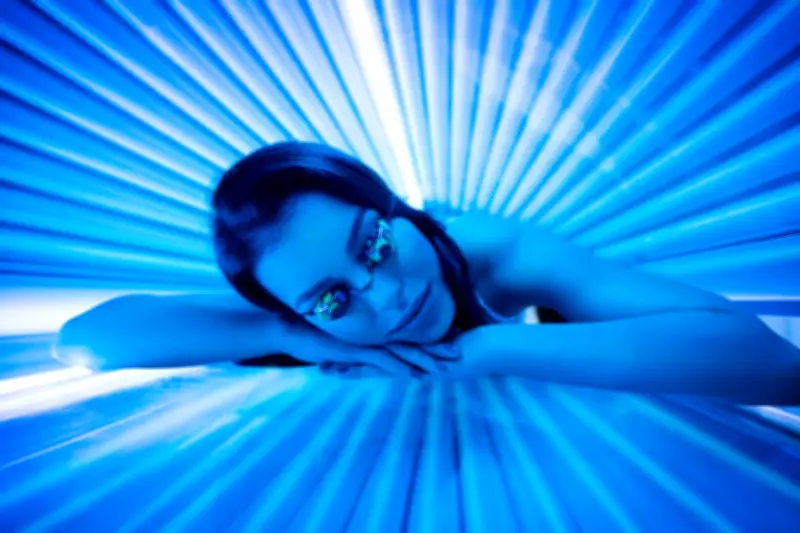
Dermatologists have strongly criticised what they describe as "misleading and potentially dangerous" statements from The Sunbed Association, the UK body representing tanning salons, which asserts that tanned skin offers protection against sunburn. The claim appears on the association's website in response to frequently asked questions about sunbeds, tanning, and UV radiation.
One question asks: "Is it true there is no such thing as a safe tan?" The association's answer states: "No. Tanned skin protects against sunburn." It further claims that sunburn is "thought to be the main cause of melanoma" and that "if you avoid getting sunburned, the benefits of moderate sun exposure will far outweigh the risks."
However, dermatologists emphasise that a tan is not a sign of health but rather an indicator of skin damage that elevates cancer risk. Melanoma, the most aggressive form of skin cancer, causes approximately 2,600 deaths annually in the UK. Nearly 90 per cent of melanoma cases are linked to excessive UV radiation from the sun or sunbeds.

Sophie Brooks, health information manager at Cancer Research UK, told the Independent: "A tan is a sign of skin damage and it doesn't protect you from further damage to your skin. There's also no need to use sunbeds, sunbathe or risk sunburn to get enough Vitamin D." She added: "Some people are more at risk of skin cancer than others, including those with lighter skin tones, lots of freckles or moles, or a history of burning easily. But everyone who uses sunbeds increases their risk of cancer."
Dermatologist Dr Justine Kluck also labelled the statement as "misleading". She explained: "The idea that the benefits of tanning outweigh the risks is not supported by current medical evidence. Both sunbeds and excessive sun exposure expose the skin to UV radiation, which is a recognised carcinogen and increases the risk of skin cancer, including melanoma." She further noted that "for most people, adequate vitamin D can be obtained through normal day-to-day outdoor activities during the spring, summer and autumn without the need to intentionally tan or use sunbeds."
Dr Rakesh Anand, consultant dermatologist and British Skin Foundation spokesperson, called the tanning claims a "myth". He said: "This advice is misleading and potentially dangerous. When skin darkens, it is responding to injury to the DNA in skin cells; that DNA damage is precisely what can lead to skin cancer, including melanoma, over time. You cannot build up a tan to shield yourself; the very process of tanning is causing harm."
Gary Lipman, chairman of The Sunbed Association, defended the organisation's stance, insisting that tanning is a "protective response". He told the Independent: "When your skin tans it is producing more melanin in response to UV exposure. Melanin helps absorb and disperse UV radiation, offering some natural protection against further UV damage. In people with darker skin tones, higher baseline melanin provides measurable protection against sunburn and sunburn must always be avoided." He added: "A mild tan can actually increase the skin's natural SPF but only by a very low amount so care should always be taken when tanning not to over-expose to UV radiation resulting in erythema/burning." He stressed that people should "tan responsibly" whether in the sun or on a sunbed.
The World Health Organization has classified sunbeds as being as dangerous as smoking. Using a sunbed before the age of 20 increases the risk of melanoma skin cancer by 47 per cent compared to those who have never used one.