A new modelling study published in The Lancet indicates that high-income countries, including the UK, are on course to eliminate cervical cancer by 2048. Once a leading cause of cancer death among women in the UK, cervical cancer rates have declined sharply due to successful vaccination and screening programmes. However, the authors caution that without significant investment, low- and middle-income countries will see only modest reductions, widening the global inequality gap.
HPV and Cervical Cancer
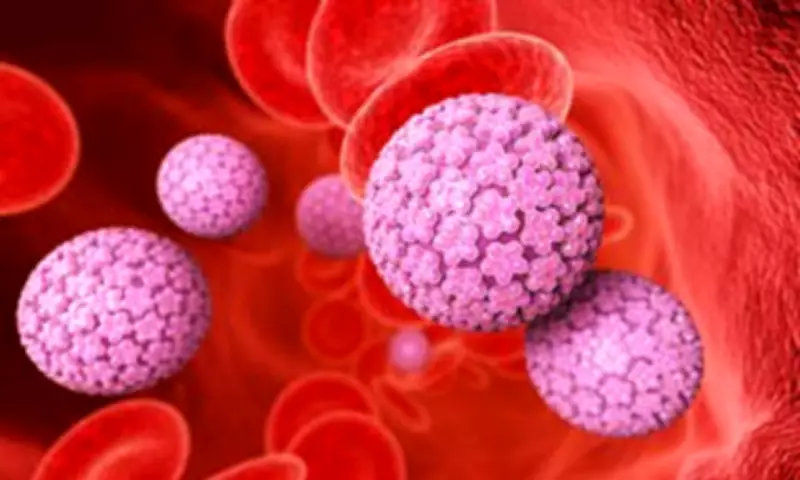
Human papillomavirus (HPV) is a common virus transmitted through skin-to-skin contact. While most people clear the virus naturally, 13 of the 150 strains can persist and cause 99.7% of cervical cancers. The NHS notes that around 80% of individuals will contract HPV at some point, but the body usually resolves it without issues.
WHO Targets and Global Disparities
The World Health Organization aims to vaccinate 90% of girls, screen 70% of women, and treat 90% of pre-cancer and cancer cases. Achieving these goals could prevent 37 million cervical cancer cases over the next century. However, the study warns that many poorer countries are unlikely to meet these targets without increased funding and coordinated international efforts.

Progress in the UK
In the UK, cervical cancer mortality has dropped by approximately 80% since the 1950s, thanks to the national screening programme and the HPV vaccination initiative. NHS England aims to eliminate the disease by 2040. The vaccine has been offered to girls since 2008 and to boys since 2019. Despite this, around 685 women still die from cervical cancer in England each year.
Screening and Prevention
Women aged 25-49 are invited for cervical screening every three years, while those aged 50-64 are screened every five years. Screening is crucial for women over 34 who did not receive the school-based HPV vaccine. The 'Jade Goody effect'—a surge in screening uptake following the reality star's death from cervical cancer in 2009—highlights the importance of public awareness.
Symptoms and Risks
Cervical cancer symptoms include unusual vaginal bleeding (e.g., after sex or between periods), changes in discharge, pain during sex, and lower back or pelvic pain. Nearly all cases are caused by persistent HPV infection. Pre-cancerous changes, such as CIN3, can develop into cancer if untreated—about a third within 10 years and half within 30 years.
Future Outlook
Recent advances, including single-dose vaccines, expanded screening, and multi-age vaccination campaigns, offer hope for global elimination. But the study emphasises that coordinated government and international agency efforts are essential to close the gap between rich and poor nations.