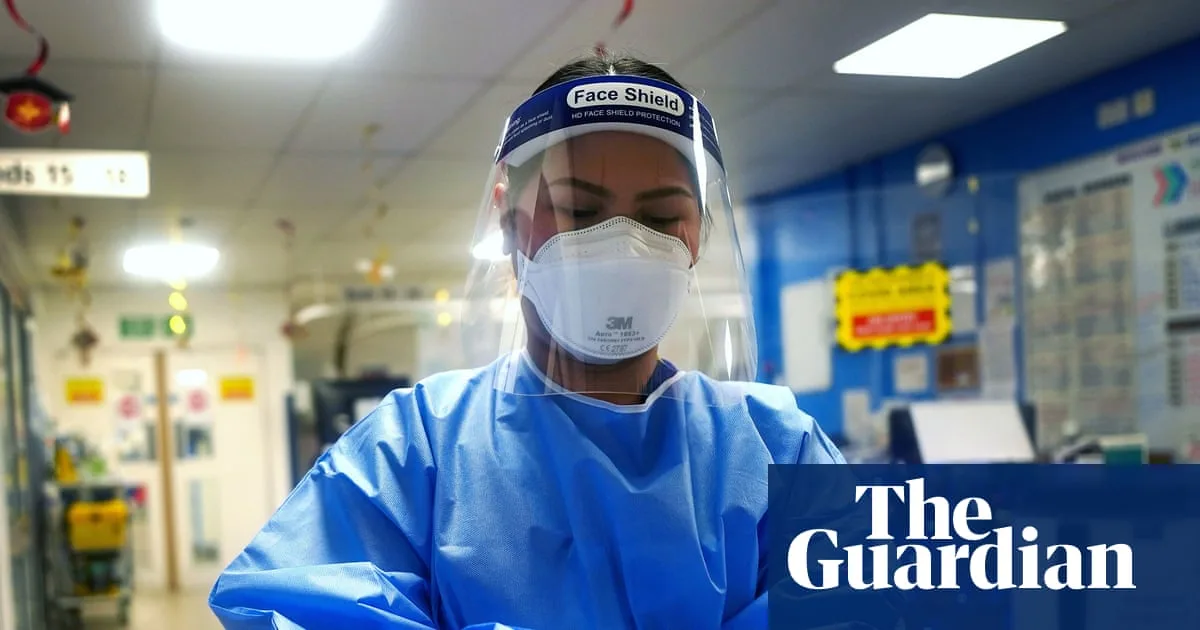
NHS chiefs are on high alert over potential shortages and rising costs for medicines and medical supplies, including syringes, intravenous bags, and gloves, due to the shipping standstill in the Gulf caused by the war in Iran. Much of modern healthcare relies on petrochemicals now held up by the conflict, affecting active pharmaceutical ingredients and sterile single-use items such as PPE, catheters, and diagnostic-device casings.
The NHS, one of the world's largest healthcare bulk buyers, spends £8bn annually on equipment and consumables, from latex gloves to prosthetic hips, and £21.6bn on medicines in 2024-25. Temporary shortages have worsened since Brexit and during Covid-19, but the Iran war threatens to widen and deepen these, pushing up costs and triggering a global scramble for supplies.
Jim Mackey, chief executive of NHS England, told the Health Service Journal he is “very worried” about supply chain challenges and warned that extra government funding will be needed if the war causes a “huge shock” of price increases. In response, NHS England has increased purchases to build buffers, but this could change if the conflict drags on, especially with potential damage to energy infrastructure and mines in the Strait of Hormuz.

NHS Supply Chain, which manages over 620,000 products, has increased stocks “where appropriate” and is consulting suppliers on continuity plans, according to resilience head Tom Brailsford. Airports in the Middle East remain disrupted, with airlines cutting flights due to jet fuel concerns. Dubai and Doha, key hubs for medicine air freight from India, are affected, compounding the problem.
Richard Sullivan, professor of cancer and global health at King’s College London, noted that supply chains for many cancer drugs are thin, often relying on single suppliers. The war may force the NHS to reduce waste, such as overuse of single-use items. At Gloucestershire Hospitals, a campaign to cut glove use has been reinforced; the trust uses over 6 million gloves annually. Liz Breen, professor of health service operations at Bradford University, warned that shortages of small items like catheters and gloves could disrupt surgical procedures.
The cost of common items has already risen: a box of 1,000 synthetic rubber gloves is now 40% higher at $29 (£21.50), according to Oong Chun Sung of CIMB Securities. Sullivan urged the NHS to think twice about usage, suggesting that shortages could lead to more sensible practices, such as making up drugs only when needed.