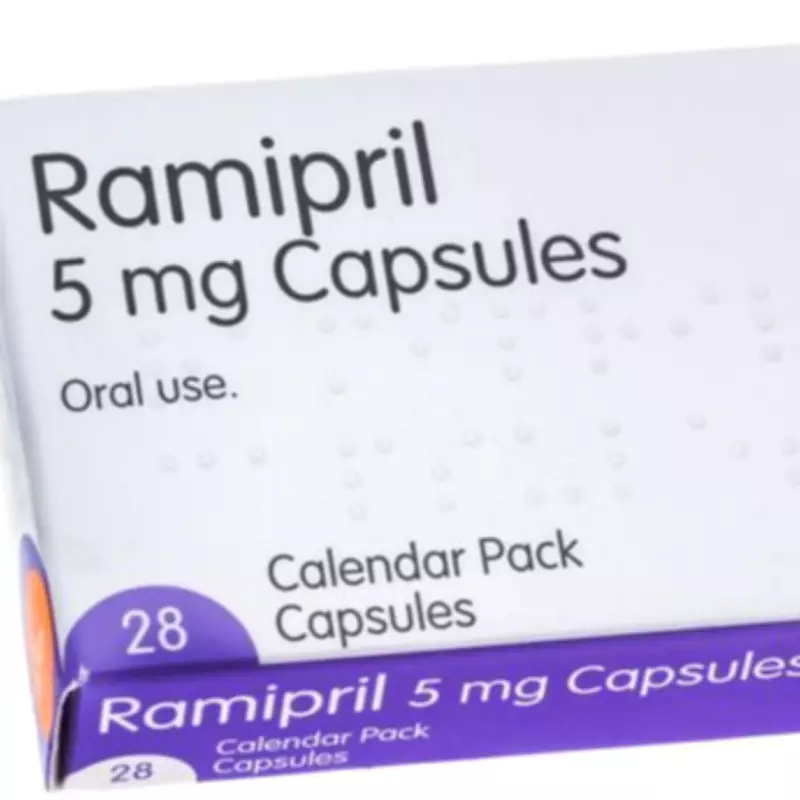
UK Blood Pressure Medication Recall Issued Following Critical Packaging Error
The Medicines and Healthcare products Regulatory Agency (MHRA) has issued an urgent recall for a widely prescribed blood pressure medication after a significant packaging error was discovered. Crescent Pharma Limited is recalling one batch of Ramipril 5mg Capsules as a precautionary measure due to a potential manufacturing mistake that may have resulted in two different blood pressure medicines being packaged incorrectly.
Patient Complaint Triggers Immediate Investigation
The recall was initiated after a pharmacy filed a formal complaint when a patient reported that a pack labelled as Ramipril 5mg Capsules, with batch number GR164099, actually contained blister strips of Amlodipine 5mg Tablets inside the sealed box. Both medications are manufactured by the same company at the same facility, and preliminary investigations suggest the error likely occurred during the packaging process when blister strips were being placed into cartons.
Patients who currently use Ramipril are being instructed to immediately check their medication packaging for batch number GR164099. Any packs containing blister strips labelled "Amlodipine" should be returned to their pharmacist without delay. According to an official statement on Gov.uk, the probability of patients accidentally receiving one common blood pressure medicine instead of another remains relatively low, but the precautionary recall is necessary to ensure absolute safety.

Understanding the Medications Involved
Ramipril is a medication widely prescribed by the NHS to treat high blood pressure (hypertension) and heart failure. It is also commonly administered after heart attacks to help prevent future strokes, heart attacks, and kidney complications. The drug significantly improves survival rates for patients with heart failure or those recovering from cardiac events.
Amlodipine is another blood pressure medication that works through different mechanisms. While both drugs are used to manage hypertension, they have distinct chemical compositions and potential side effect profiles.
Official Guidance from Regulatory Authorities
Shareen Doak, Deputy Director of Benefit-Risk Evaluation at the MHRA, provided clear instructions for concerned patients: "If you take Ramipril, check the packaging for batch number GR164099. The batch number and expiry date information can be found on the outer carton. If you have received this batch, verify that the medication name on the carton matches the blister strips inside."
Doak further explained: "If the carton contains blister strips that are labelled as Amlodipine 5mg tablets, contact your dispensing pharmacy immediately. If the carton contains blister strips that are correctly labelled as Ramipril 5mg Capsules, you do not need to take any further action."
Potential Health Implications and Safety Reassurance
The most common potential side effect from accidentally taking Amlodipine instead of Ramipril could be dizziness resulting from lower than normal blood pressure. However, health authorities have emphasized that there is a very low risk to patient health if someone has already taken the incorrect medication.
"If you have an affected pack and believe you may have taken the Amlodipine 5mg Tablets that were supplied in error, and you are currently experiencing any side effects, please seek immediate medical advice," advised the MHRA spokesperson. "Take the leaflet that came with your medicine and any remaining tablets with you to your pharmacy or GP practice."
The regulatory body has specifically noted that because the body may not be accustomed to a different type of medicine, blood pressure could potentially drop below normal levels, leading to dizziness. Any suspected adverse reactions should be reported through the MHRA Yellow Card scheme, which monitors medication safety across the United Kingdom.
Professional Response and Regulatory Oversight
The MHRA has advised all pharmacy and healthcare professionals to return any remaining stock of the affected batch to their suppliers immediately. As the regulatory body responsible for overseeing all medicines and medical devices in the UK, the MHRA ensures that pharmaceutical products meet strict standards of effectiveness and acceptable safety before reaching patients.

This incident highlights the importance of rigorous quality control measures throughout the pharmaceutical manufacturing and packaging process. While such errors are rare, regulatory systems are designed to respond quickly when potential safety concerns are identified through patient and healthcare professional reporting.