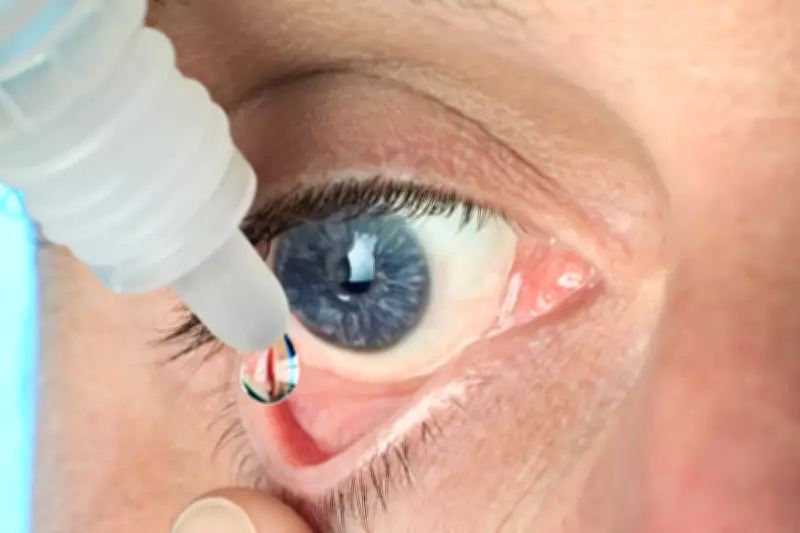
Major US Eye Drops Recall: Over 3 Million Bottles Pulled from Retailers
In a significant consumer safety alert, over 3.1 million bottles of eye drops have been recalled across the United States due to potential sterility issues. The recall, initiated by manufacturer K.C. Pharmaceuticals, affects eight distinct brands, including popular products such as Dry Eye Relief Eye Drops and Sterile Eye Drops Redness Lubricant.
Retail Impact and FDA Classification
The recalled eye drops were widely available at major US retailers, including CVS, Kroger, Walgreens, and Dollar General, making this a nationwide concern for consumers. The U.S. Food and Drug Administration (FDA) has officially classified this as a Class II recall, indicating that the products could lead to temporary or medically reversible adverse health effects. While the risk of serious harm is considered remote, the classification underscores the importance of immediate action to prevent potential health complications.
Timeline and Consumer Advice
The recall process began on March 3, 2026, with the FDA formally classifying it on March 31, 2026. Authorities are urging consumers who have purchased these eye drops to take prompt measures: either discard the products safely or return them to the point of purchase for a full refund. This step is crucial to mitigate any risks associated with non-sterile eye care products, which could potentially cause infections or other ocular issues if used.

Key Details of the Recall:
- Volume Affected: Over 3.1 million bottles of eye drops.
- Manufacturer: K.C. Pharmaceuticals.
- Brands Included: Eight brands, such as Dry Eye Relief Eye Drops and Sterile Eye Drops Redness Lubricant.
- Retailers Involved: CVS, Kroger, Walgreens, Dollar General, and other major outlets.
- FDA Classification: Class II recall, with a remote chance of serious harm but potential for reversible health consequences.
- Action Required: Consumers should discard or return the products immediately.
This recall highlights ongoing challenges in pharmaceutical manufacturing and distribution, emphasizing the critical role of regulatory oversight in protecting public health. As recalls for issues like botulism and listeria have shown in the past, swift consumer response and transparent communication are essential to managing such incidents effectively.