Weight-Loss Jabs Could Be Made for $3 a Month, Study Finds
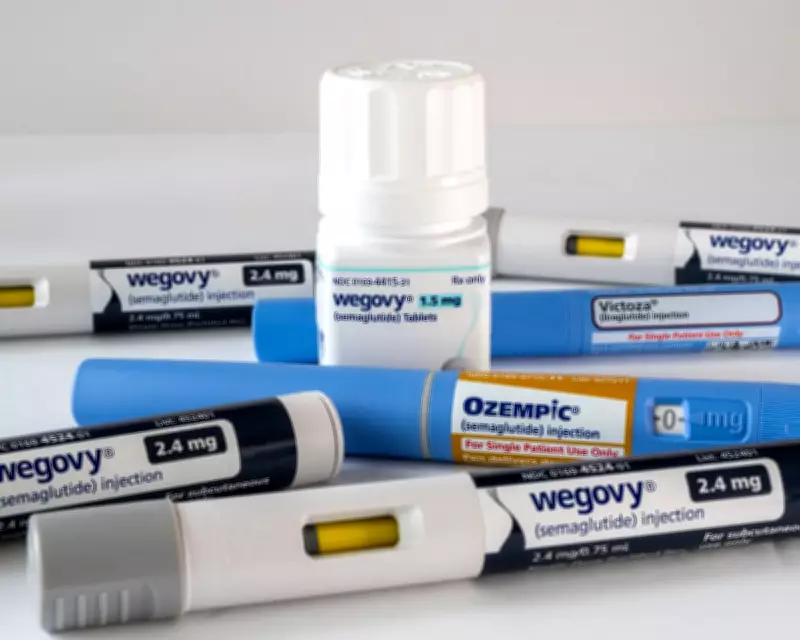
New research indicates that weight-loss injections like Wegovy and Ozempic could be manufactured for as little as $3 per month, potentially making these treatments accessible to millions in lower-income nations as patents begin to expire. The study, published as a pre-print, highlights that semaglutide, the active ingredient in these drugs, could be mass-produced at this low cost in its injectable form, with newer pill formulations estimated at around $16 monthly.
Global Health Impact and Patent Expirations
More than a billion people worldwide live with obesity, and rates are increasing rapidly in lower-income countries due to shifts toward westernised diets and sedentary lifestyles. In September last year, the World Health Organization designated semaglutide as an essential medicine, but high prices have limited access. The new analysis suggests that core patents on semaglutide are set to expire in 10 countries this year, including Brazil, China, India, South Africa, Turkey, Mexico, and Canada from 21 March, paving the way for generic competition.
Additionally, the researchers identified 150 countries where patents have not been filed, covering most of Africa. Collectively, these 160 nations are home to 69% of individuals with type 2 diabetes and 84% of those living with obesity. Dr Andrew Hill from Liverpool University's pharmacology department, one of the study's authors, stated, "These low prices open the door to worldwide access to an essential medicine."

Challenges and Broader Health Context
While cheaper treatments could significantly improve access, the researchers caution that they do not address the structural drivers of obesity, such as food insecurity, poverty, urbanisation, and commercial food environments. Coordinated policies and procurement planning will be necessary to realise the full benefits. Dr Nomathemba Chandiwana, chief scientific officer at South Africa's Desmond Tutu Health Foundation, noted that cost has been a major barrier in low- and middle-income countries, where about 27% of adults meet the criteria for semaglutide-based drugs.
Obesity is linked to numerous health conditions, including heart disease, diabetes, stroke, and cancer, contributing to 3.7 million deaths annually from excess weight. The number of people with diabetes has surged from 200 million in 1990 to 830 million in 2022, with the steepest rises in low- and middle-income nations. Semaglutide, first approved by US regulators in 2017, currently costs about $200 monthly in the US and £120 in the UK, with patents in Britain, continental Europe, and the US not expiring for another five years.
Research Methodology and Future Implications
The study's findings are based on shipment records of key ingredients from 2024 and 2025, using a methodology that has accurately predicted generic medicine prices for HIV, hepatitis C, and some cancer drugs in the past. This research follows a 2024 study by Médecins Sans Frontières, which also found that diabetes drugs, including semaglutide, could be produced and sold much more cheaply. Prof François Venter from Witwatersrand University in Johannesburg emphasised that replicating the success of affordable drugs for HIV, TB, malaria, and hepatitis could save millions of lives with semaglutide.
As health systems consider integrating these drugs into broader care, the potential for expanded access offers hope for addressing global health disparities in obesity and diabetes management.