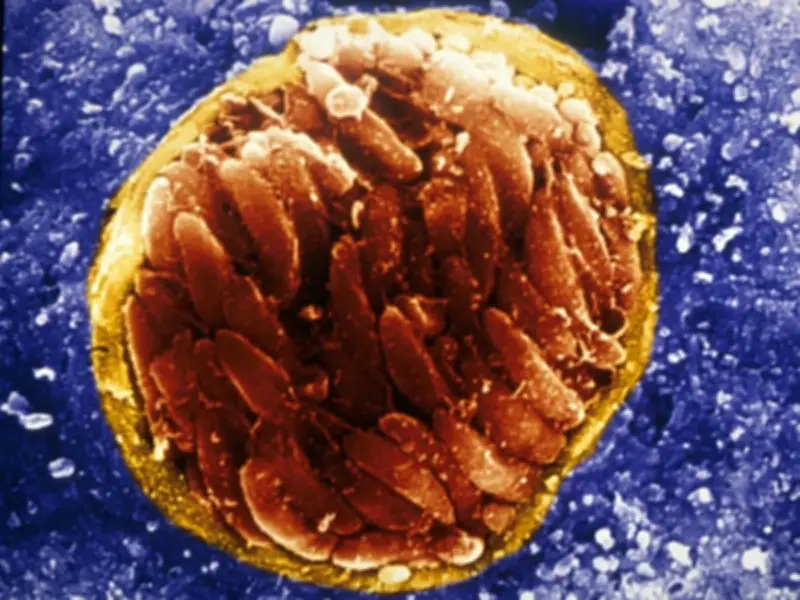
A common parasite carried by cats that infects up to a third of the world's population could cause blindness in millions, scientists have warned in a new global study. The researchers are urging the World Health Organisation (WHO) to recognize toxoplasma gondii as a neglected tropical disease (NTD) due to its potential to cause serious eye infections and vision loss.
Global Impact of Toxoplasma Gondii
The collaborative multi-university study, published in the journal PLOS Neglected Tropical Diseases, highlights that toxoplasma gondii, also known as toxo, is the leading intraocular infection worldwide. While most infected individuals remain symptom-free, especially if healthy, the parasite can cause a retina-damaging eye infection known as ocular toxoplasmosis. This condition leads to eye pain, redness, blurred vision, and dark spots called floaters, and in severe cases, can result in permanent blindness.
Professor Justine Smith, the lead author from Flinders University in Adelaide, Australia, stated: “Toxoplasmosis is a leading eye infection and a major cause of vision loss worldwide, yet it receives limited attention in global health agendas. With WHO’s recognition, we can make substantial progress in prevention and management of this infection.”

Transmission and Prevention
People typically become infected with toxoplasma gondii through consuming undercooked meat, contaminated water or produce, or exposure to cat faeces. Cats themselves acquire the parasite from contaminated sources. The study emphasizes that practical public health measures—such as improved food safety, clean water, sanitation, and better access to antenatal care—could significantly reduce the burden of ocular toxoplasmosis.
Associate Professor João Furtado, co-author from the University of São Paulo, noted: “Toxoplasmosis is often seen as inevitable, but it has well-characterised transmission pathways and can be prevented and controlled. These impacts could be reduced through practical public health measures.”
Health Consequences and Need for Recognition
While most people with toxoplasmosis experience no symptoms, those with compromised immune systems may suffer flu-like effects, including high fever and muscle pain. The parasite can lie dormant in the body for years before reactivating to cause eye infections, even in otherwise healthy individuals. The researchers argue that the eye-damaging effects of toxoplasmosis deserve more global attention and that WHO recognition would enable better prevention and management strategies.