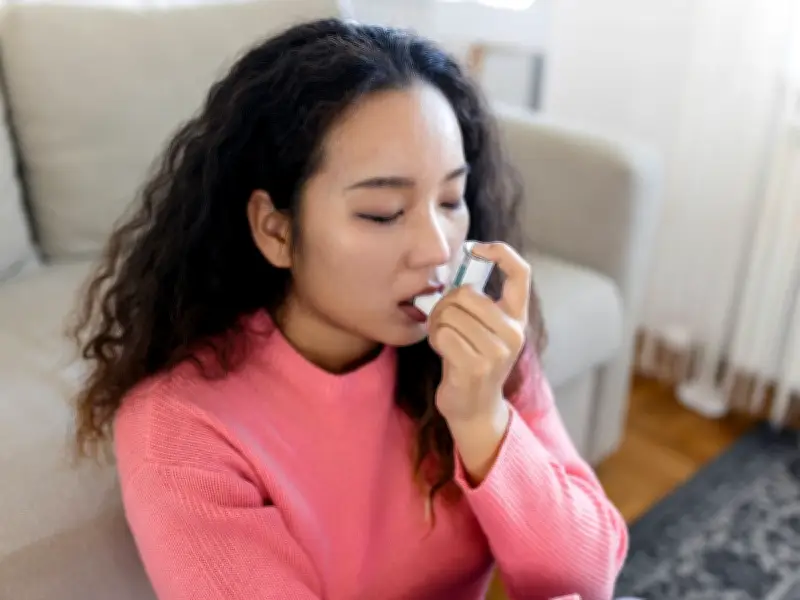
Health chiefs have issued a timely reminder that life-saving medicines used by millions of people in the UK could be less effective during the 37C heatwave. Insulin pens, weight-loss jabs, and asthma inhalers are among the prescription drugs that should be kept at cool temperatures well below 30C when not in the fridge.
How Heat Affects Common Medicines
During spells of hot weather, medicines left inside bags, on windowsills, or in cars can warm up very quickly, impacting how well they work when used later. For example, leaving insulin in direct sunlight or exposed to high temperatures can significantly degrade the protein, causing it to lose its potency and contributing to higher blood glucose levels in Type 1 diabetics.
An asthma inhaler getting too hot can degrade the medication's chemical composition, rendering it ineffective during an asthma attack. Weight-loss drugs such as Wegovy and Mounjaro can also be weakened by prolonged exposure to heat.

Official Warning and Advice
Alison Cave, Chief Safety Officer at the MHRA, said: “Let’s face it – when there’s a heatwave, most of us are focused on getting outside and enjoying it while it lasts. But it’s easy to forget that medicines left in the heat – in cars, bags, or on sunny windowsills – might not work properly when you need them.
“Some medicines can also make you more likely to burn in the sun, feel dizzy, or get dehydrated, especially if you’re taking diuretics or have a condition like asthma, heart disease, or diabetes.
“To stay safe in the heat: Store medicines somewhere cool, dry and out of direct sunlight – especially if you’re out and about. Know the signs of heat-related illness – stay hydrated and listen to your body. Take extra care in the sun if your medicine makes your skin more likely to burn. And remember, for all medicines it’s important to read the leaflet and speak to a healthcare professional if you have any questions.”
Record Emergency Calls in London
London Ambulance Service said it recorded the highest number of life-threatening emergencies in its history yesterday due to the extreme heat. Ambulance crews responded to a record 642 category one calls on Wednesday amid a rare red warning and highs of 35C. Category one incidents include the most serious, life-threatening injuries and illnesses such as cardiac arrests and patients who are not breathing.
Chief executive Jason Killens said: “We have seen the highest number of life-threatening emergencies in our history, driven by the extreme heat across London.
“Our crews are working very hard in challenging conditions to care for patients, and I would like to take this opportunity to thank all our people for their incredible hard work.
“Please help them to help you by taking care of yourself and others – stay out of the sun and keep hydrated.”