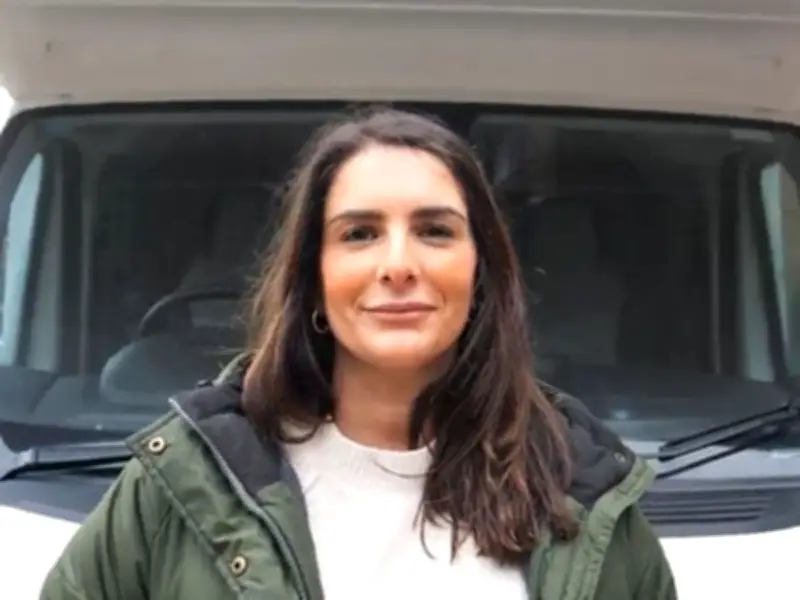
Laurie Parker, a 39-year-old mother of four from Newcastle, was given a stark warning six years ago: stop drinking or die before your 40th birthday. The academic researcher had developed cirrhosis of the liver due to her alcohol consumption.
Early Drinking and High Achievement
Parker began drinking at age 12 and was drinking regularly by 15. Despite this, she excelled at school and later attended Durham University, where she described herself as "a high achiever who partied hard."
A Normalised Habit
By her early 30s, Parker was consuming half a bottle of wine nightly as a "reward" after putting her daughter to bed. She said, "Other mums said the same thing – 'You’ve earned it.' It seemed normal." Her drinking escalated to two to three bottles of wine a night, sometimes followed by half a litre of vodka.

The Life-Saving Diagnosis
At age 33, Parker was diagnosed with cirrhosis of the liver and told that continued drinking would prevent her from reaching 40. She said, "I decided I needed to stop for my health and my family. I’ve done the 12 steps, I’ve used community groups, I’ve found comfort in connection."
Cultural Normalisation of Alcohol
Parker highlighted how alcohol is pervasive in culture, from Saturday Kitchen pairing wine with brunch to birthday cards featuring prosecco. She noted, "You can’t go to a garage, a gym, even a chemist without seeing alcohol."
Campaign for Awareness
Parker is now supporting others in recovery and encouraging the North East public to evaluate their drinking habits. Her story is part of a campaign by Balance, which aims to raise awareness of alcohol's health risks. Sue Taylor, head of alcohol policy at Balance, said, "Alcohol is increasingly designed and marketed in a way that appeals to women. From pink products to the ‘wine-o’clock’ culture, women are made to feel that drinking alcohol as a way to unwind is the norm."
Taylor added, "It’s concerning that not enough people are aware of the risk and we need more awareness for people to know the full facts around alcohol. We’re grateful to Laurie for sharing her story and inspiring people to have a conversation and think about their own reasons for drinking."
Resources for Change
People can take a free quiz at ReducemyRisk.tv to learn about units, assess their drinking risk, and find ways to cut down.