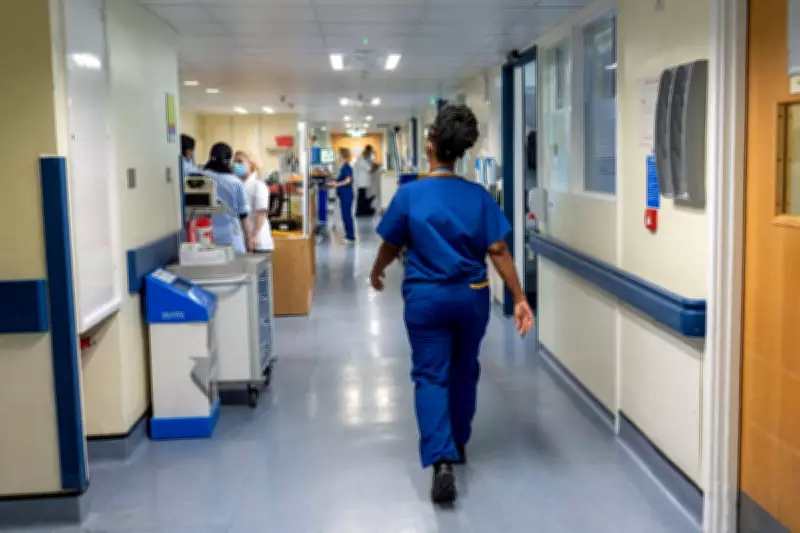
Nurses are spending significant time correcting dangerous health misinformation spreading on platforms like TikTok and Instagram, according to discussions at the Royal College of Nursing’s annual congress in Liverpool. The phenomenon is taking a toll on morale and contributing to burnout, the union warned.
Misinformation on Social Media
Charlotte Glynn, chair of the RCN’s Women’s Health Forum, told delegates that the widespread use of digital platforms means many people are constantly online. Combined with long waiting lists, complex symptoms, and an unstable political climate, this drives patients to seek clinical advice from unreliable sources. She noted that while myths have always existed in healthcare, the speed and reach of online information today allow false and dangerous claims to spread almost instantly.
Impact on Nurses
Peace Yaa Akorli, of the RCN’s eastern region, described nurses as being on the front line of confusion, fear, and public scepticism. She stated: “As nurses, we are often the first person patients turn to for reassurance and clarity. But constantly correcting misinformation can be emotionally exhausting, time consuming, and at times, damaging the trust between healthcare professionals and the community.” This has a direct impact on the nursing workforce, increasing stress, burnout, verbal abuse, and frustration, which contribute to low morale and staff retention challenges.

However, Ms Akorli also saw an opportunity for nurses to rebuild trust and empower patients with accurate information.
ADHD and Autism Misunderstanding
Mental health nurse Clare Manley, RCN Cheshire branch chair, highlighted that social media has created a surge in demand for autism and ADHD services. While platforms like TikTok and Instagram have helped reduce stigma, they have also heightened expectations and led to misunderstandings about what these conditions truly are. She said: “This inflammation of public perception places strain on stretched services and individuals. Nurses navigate longer waiting lists, complex presentations, and growing pressure to deliver rapid answers in a system designed for thoughtful, evidence-based assessment.”
Ms Manley added that social media shapes patient expectations in ways that don’t always align with clinical reality, with many hoping for instant diagnoses or treatment.
Vaccination Misinformation
Annafleur van Mourik Broekman, a public health education specialist focusing on vaccination, told delegates she deals with misinformation every single day. She stressed that nurses are also members of the public and not immune to false claims. She warned: “I think we’re seeing the tip of the iceberg now, and I fear we’re not prepared for what is to come. AI-generated misinformation content has been identified as a significant risk to public health in multiple scientific studies, and has potential to deliver personalised information and advice. I think this is a threat we should take really, really seriously.”