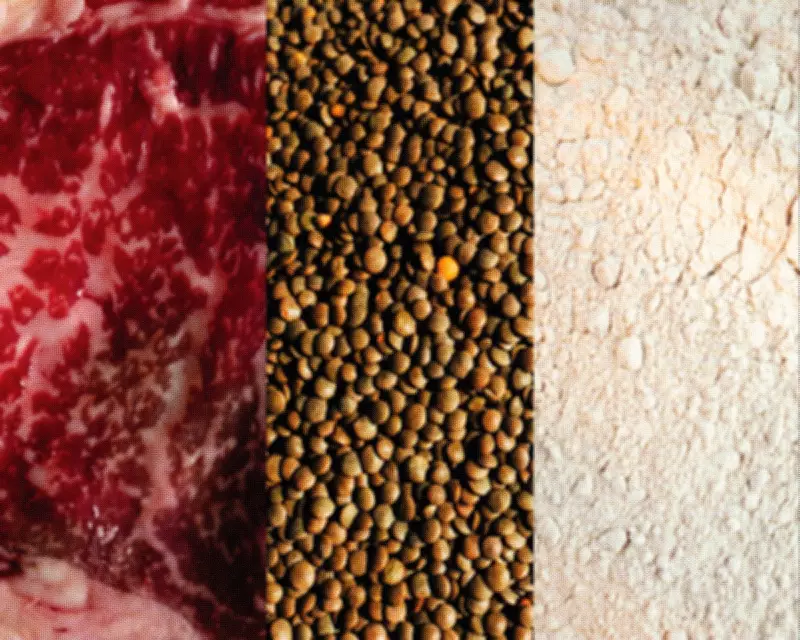
Protein is a vital nutrient for building and repairing tissues, producing enzymes, and supporting overall health. With a plethora of protein sources available, understanding their respective advantages and disadvantages can help individuals tailor their diets to meet nutritional needs and personal preferences.
Animal-Based Protein Sources
Meat
Pros: Meat, such as beef, pork, and lamb, provides high-quality complete protein containing all essential amino acids. It is also rich in iron, zinc, and vitamin B12, which are crucial for energy metabolism and immune function.
Cons: Red and processed meats have been linked to increased risks of heart disease, certain cancers, and other chronic conditions. Additionally, meat production has a significant environmental footprint, contributing to greenhouse gas emissions and land use.

Poultry
Pros: Chicken and turkey are lean protein sources, particularly when skinless. They offer B vitamins and selenium, supporting thyroid function and antioxidant defenses.
Cons: Conventional poultry farming may involve antibiotic use and animal welfare concerns. Overconsumption can still contribute to saturated fat intake if the skin is eaten.
Fish and Seafood
Pros: Fatty fish like salmon, mackerel, and sardines are excellent sources of omega-3 fatty acids, which promote heart and brain health. Fish also provides vitamin D and iodine.
Cons: Some fish contain mercury and other environmental contaminants, posing risks for pregnant women and children. Overfishing threatens marine ecosystems.
Eggs
Pros: Eggs are a nutrient-dense protein source, containing all essential amino acids, choline for brain health, and lutein for eye health. They are versatile and affordable.
Cons: Egg yolks are high in cholesterol, though dietary cholesterol has a modest effect on blood cholesterol for most people. Some individuals may have allergies.
Dairy
Pros: Milk, yogurt, and cheese provide high-quality protein along with calcium, vitamin D, and potassium for bone health. Fermented dairy like yogurt also offers probiotics.
Cons: Lactose intolerance affects many people, causing digestive discomfort. Full-fat dairy can be high in saturated fat, and some studies link high dairy intake to certain cancers.
Plant-Based Protein Sources
Legumes
Pros: Beans, lentils, and chickpeas are rich in protein, fiber, and complex carbohydrates, promoting satiety and digestive health. They are low in fat and environmentally sustainable.
Cons: Legumes are incomplete proteins, lacking one or more essential amino acids. However, combining them with grains or nuts can provide a complete profile. Some people experience gas or bloating.
Nuts and Seeds
Pros: Almonds, walnuts, chia seeds, and hemp seeds offer protein, healthy fats, fiber, and micronutrients like magnesium and vitamin E. They support heart health and weight management.
Cons: Nuts and seeds are calorie-dense, so portion control is important. Some individuals have nut allergies, which can be severe.
Soy Products
Pros: Tofu, tempeh, and edamame are complete plant proteins, providing all essential amino acids. They also contain isoflavones, which may reduce the risk of certain cancers and improve bone health.
Cons: Soy is a common allergen, and concerns about phytoestrogens have been raised, though moderate consumption is generally considered safe. Genetically modified soy is widespread.
Grains
Pros: Quinoa, amaranth, and buckwheat are complete proteins, while others like rice and oats are incomplete but contribute to overall protein intake. Whole grains provide fiber and B vitamins.
Cons: Grains are primarily carbohydrate-based, and some like wheat contain gluten, which is problematic for those with celiac disease or gluten sensitivity.

Making Informed Choices
Choosing protein sources involves balancing nutritional benefits, ethical considerations, environmental impact, and personal health needs. A varied diet that includes both animal and plant proteins can ensure adequate intake of essential nutrients while minimizing potential risks. Consulting a healthcare professional or dietitian can provide personalized guidance.