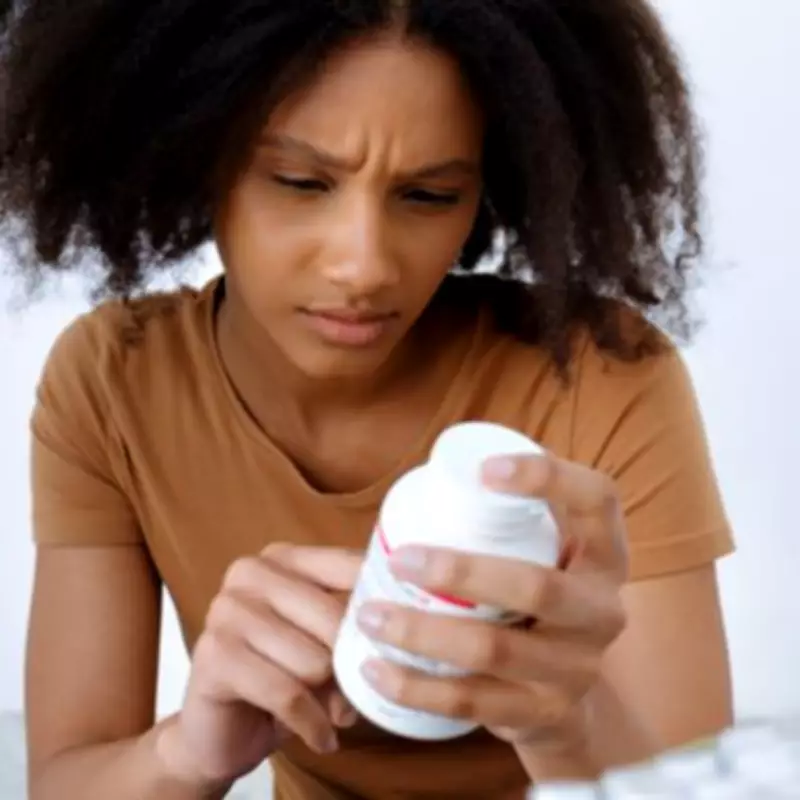
The Met Office is predicting nearly 30°C highs across parts of the country during the next bank holiday weekend, with temperatures climbing significantly from Friday, May 22. Ahead of this warm spell, people are being warned that high temperatures can impact how effectively some common medicines work.
Why Heat Affects Medications
Many everyday medicines, such as paracetamol and ibuprofen, need to be kept at temperatures below 25°C, making kitchen cupboards or bedside table drawers ideal storage spots. However, for those who store medication in their vehicle, this could pose a problem, as cars can warm up extremely rapidly in direct sunlight. On a 24°C day, the interior of a parked car can reach almost 40°C in merely ten minutes, according to Right Driver. If left unattended, this temperature keeps climbing. It is crucial for anyone who depends on medication to make sure it is removed from their car, especially before Friday, to minimise the risk of it becoming less effective due to the heat.
Expert Warning from MHRA
Alison Cave, chief safety officer at the Medicines and Healthcare products Regulatory Agency (MHRA), previously said that heat can degrade the active ingredients in medicines, meaning they might not work when you need them. This includes tablets, inhalers, hormone patches, insulin, and EpiPens, reports the Express. She said most medicines should be kept "somewhere cool, dry and out of direct sunlight", according to the packaging. The guidance stated: "If your medicine has changed colour, developed an unusual smell, changed texture, or looks different in any way, this could signal heat damage. Ask your pharmacist for advice."

"Heat damage can also affect how much medicine your body absorbs, potentially making your usual dose too strong or too weak. If you notice any changes in how you feel or how well your medicines seem to be working during hot weather, speak to your pharmacist or doctor."
Medications That Should Never Be Left in a Hot Car
When subjected to extreme heat, the chemical composition of most drugs deteriorates, rendering the medications useless. This applies to everyday medicines as well as those prescribed for life-threatening conditions.

- EpiPens (Epinephrine): Adrenaline is highly heat-sensitive. High temperatures can cause the solution to degrade rapidly and lose potency. If the liquid in the viewing window looks cloudy or pink, the heat has already ruined it.
- Insulin: Whether in a vial, cartridge, or pen, insulin is a protein. Extreme heat literally 'cooks' the protein, causing it to break down and fail to control your blood sugar.
- Asthma inhalers: Not only does the heat alter the medication itself, but the pressurised canister can warp or leak. In extreme cases, the heat can cause the inhaler canister to burst.
- Nitroglycerin: Usually prescribed for people with angina, this is a notoriously unstable medication. Heat causes it to lose its potency incredibly fast, which can be fatal if you experience chest pain and rely on it.
- Paracetamol and ibuprofen: The intense heat accelerates the chemical degradation. They won't turn toxic, but they lose their potency. If you take a heat-damaged paracetamol for a splitting headache or an ibuprofen for inflammation, it simply won't work effectively.
- Aspirin: Heat causes it to break down into its components (salicylic acid and acetic acid). If your aspirin smells strongly of vinegar when you open the bottle, it has degraded and will likely cause severe stomach irritation if taken.
- Hormone-based medications: This includes contraceptive pills, Hormone Replacement Therapy (HRT), and thyroid medications. Hormones are fragile proteins and heat alters their molecular structure, meaning your daily dose may no longer prevent pregnancy or regulate your thyroid.
- Blood thinners: Temperature spikes can affect the stability of medications like warfarin. This can dangerously alter your blood-clotting times.
- Children's medicines: Liquid medicines, like Calpol, can ferment, separate, or undergo bacterial growth when incubated in a hot car. It should not be used if signs of heat damage are noticed.
If you take any other medication, check the label for the best storage method to maintain effectiveness. As a safety measure, avoid keeping any medicine in the car for extended periods.
What to Do If You Suspect Heat Damage
If you think the medicine's packaging, container, or tablet storage box has been damaged, or if the medicine looks, smells, or feels different from how it normally appears, then the next step is to return it to the pharmacy. To get rid of damaged, expired, or old medicines, place them in a clear plastic bag, seal it and take them back to your local pharmacy, where staff can safely dispose of it.