Oxford Academic Categorises Human Cognition into 10 Distinct Thinking Styles
Are you perpetually optimistic, easily angered, or prone to overthinking every situation? According to groundbreaking research from an Oxford University academic, these traits represent just a few of the ten distinct thinking styles that shape human cognition and behaviour. Dr Marius Ostrowski, a prominent political and social theorist, has dedicated extensive research to understanding why individuals think so differently from one another.
The Science Behind Different Thinking Patterns
In his newly published book How We Think, Dr Ostrowski presents compelling evidence drawn from multiple academic disciplines including psychology, philosophy, sociology, and political science. His research demonstrates that understanding how other people "tick" can provide crucial insights into seemingly baffling situations – from voting behaviour to personal relationship conflicts.
"Recognising these thinking patterns helps us make sense of why people respond so differently to identical situations," explains Dr Ostrowski. "Whether it's understanding political preferences or navigating personal disagreements, these cognitive frameworks shape our entire worldview."

The Ten Signature Thinking Styles Explained
Dr Ostrowski has identified and named ten distinct thinking styles that represent different approaches to processing information and responding to life's challenges:
- Happy Camper: Characterised by joy-filled warmth and placid movement through life, these individuals maintain optimism even during difficult circumstances.
- Jokester: Gleeful and irreverent thinkers who bring provocative fun to social situations and take comfort in humour.
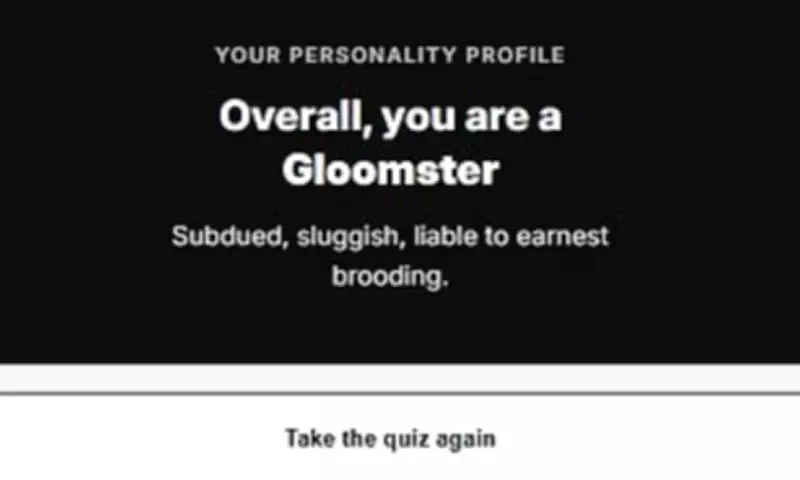
- Gloomster: Subdued and sluggish thinkers prone to earnest brooding who often expect doom and failure around every corner.
- Agoniser: Plaintive and outraged individuals constantly looking to fix societal problems and mobilise for better welfare.
- Hothead: Excitable and irascible thinkers consumed by immediate problems, often blinded by what Dr Ostrowski terms the "red mist" of strong emotion.
- Cool Cat: Quiet, resolute, and benevolent individuals who remain somewhat remote while patiently listening and helping others.
- Keen Bean: Zesty and precocious thinkers always probing for new discoveries, typically first to arrive and last to leave any gathering.
- Worrywart: Nervy and brittle individuals prone to deliberation who see risk and danger everywhere they look.
- Quibbler: Cagey and sceptical thinkers who linger reluctantly over what repels them, constantly asking extra questions and making disapproval clear.
- Reveller: Dreamy and magnetic individuals overflowing with generosity who pay deep attention to their surroundings and spoil those dearest to them.
Most People Are Mixtures of Multiple Styles
Dr Ostrowski emphasises that pure examples of any single thinking style are exceptionally rare. Most individuals exhibit combinations of two or three primary styles with additional influences appearing situationally. "I think it's very rare for anybody to be just one thinker-type," Dr Ostrowski told the Daily Mail. "Much more common is that we're a mixture of two or three main ones, with perhaps a few more sitting quietly in the background too."
The academic revealed his own cognitive composition as primarily a Happy Camper and Worrywart mixture, with lighter hints of Cool Cat, Gloomster, and Jokester appearing periodically. These thinking styles develop through complex interactions between upbringing, personal experiences, and situational factors rather than representing fixed personality traits.

Practical Applications of Thinking Style Awareness
Understanding these cognitive frameworks has significant practical applications across multiple domains. In political contexts, recognising different thinking styles can explain voting behaviour and policy preferences. In personal relationships, this awareness can help partners understand why they disagree about fundamental issues. Workplace dynamics also benefit from this understanding, as teams can leverage complementary thinking styles for better problem-solving.
Dr Ostrowski's research represents a significant advancement in how we understand human cognition and behaviour. By moving beyond traditional personality assessments, his framework provides nuanced insights into why people approach identical situations with such dramatically different perspectives and responses.