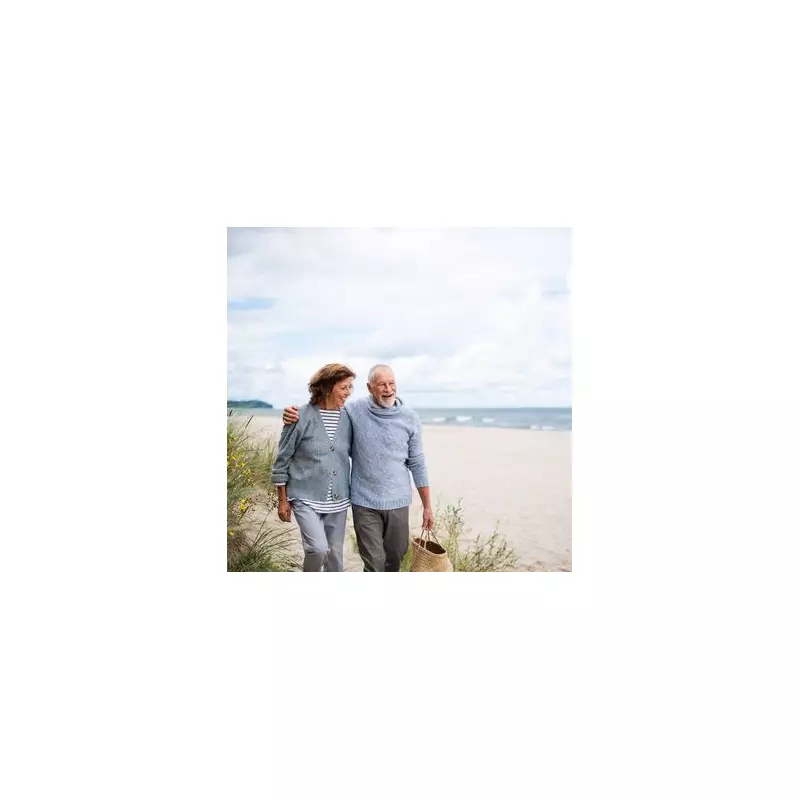
New research offers a powerful incentive to get moving, revealing that a small, daily dose of brisk walking can have a profound impact on longevity. A major international study has found that adding just five minutes of brisk walking to your daily routine can slash the risk of an early death by 10%.
The Power of Minutes: Small Changes, Big Impact
The findings, published in The Lancet, are based on data tracking the activity of 95,000 middle-aged and older adults in the UK, alongside 40,000 participants from Norway, Sweden, and the United States. The UK Biobank component of the research delivered particularly striking results.
It showed that reducing daily sedentary time by 30 minutes could prevent 4.5% of deaths among the study's adult participants, excluding those who were already highly active. Furthermore, the analysis indicated that an extra 10 minutes of moderate-intensity exercise each day was associated with a substantial 15% reduction in mortality risk.

Dr Daniel Bailey, a sedentary behaviour expert at Brunel University London who was not involved in the study, emphasised the importance of the findings. "The really promising finding from this study is that just an extra 5 minutes per day can help. This should be feasible for most people, even those who only do very small amounts of physical activity already," he said.
Realistic Goals for Population Health
The research, led by the Norwegian School of Sports Sciences, aims to provide achievable targets, especially for older individuals who may feel discouraged from starting an exercise regimen. Dr Bailey explained that moderate activities are those that make you "breathe a bit heavier and feel warmer," such as a brisk walk, housework, or gardening.
"A clear message we want to get across is that every movement counts and getting inactive people to do some activity is where we see the biggest gains in health. Every minute counts," he added.
This sentiment was echoed by study co-author Professor Melody Ding from the University of Sydney. "Considering that it is unlikely for all individuals to achieve the World Health Organisation's physical activity recommendations of 150 min of moderate-to-vigorous-intensity physical activity weekly, our data underscore the large impact of realistic and achievable behaviour goals on population health," she stated.
The Combined Effect of Sleep, Diet, and Exercise
Supporting evidence for the cumulative benefit of minor lifestyle adjustments comes from a separate study published in eClinicalMedicine, which also utilised UK Biobank data. This research outlined how combining improvements in sleep, physical activity, and diet can dramatically extend lifespan.
It found that individuals with the best sleep, highest exercise levels, and healthiest diets lived 9.35 years longer than those with the worst scores in these three areas. Crucially, they also enjoyed more of those extra years in good health.
The research team calculated that for people with poor sleep, low activity, and an unhealthy diet, a "combined dose" of small changes—such as increasing sleep by five minutes daily, adding just two more minutes of moderate-to-vigorous activity, and eating half an extra portion of vegetables—could theoretically extend their lifespan by one full year.
The paper concluded: "This study demonstrates that small, concurrent improvements in sleep, physical activity, and diet quality were associated with clinically meaningful theoretical gains in lifespan and healthspan." Together, these studies provide a compelling, evidence-based argument that when it comes to health, every small step genuinely counts.