Scientists at Stanford University have used artificial intelligence to design a new virus, codenamed Evo-Φ2147, which attacks deadly E.coli bacteria. The breakthrough marks a significant step in synthetic biology, raising the possibility of creating entirely new species in the laboratory.
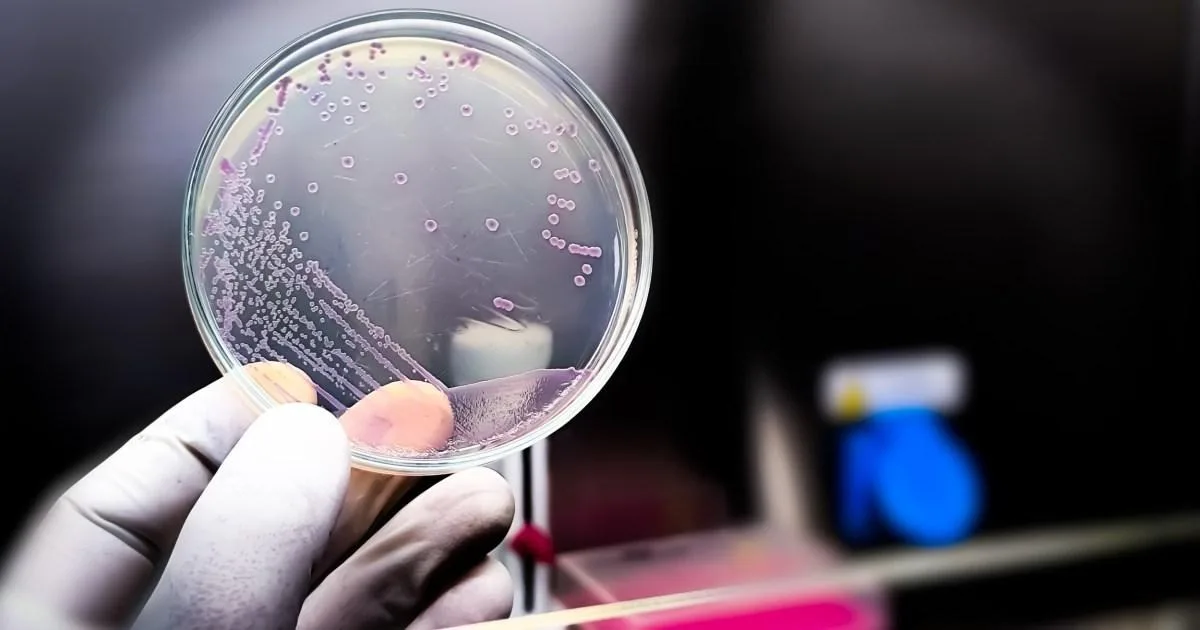
The AI program Evo2 generated 285 new viruses, of which 16 successfully targeted E.coli in petri dishes. A mixture of all 16 strains was able to overcome even the most resistant forms of the bacteria. Evo-Φ2147 contains 11 genes and cannot reproduce outside a host, so it is not considered fully 'life', but it demonstrates that genomes can be designed in their entirety.
Adrian Woolfson, a British molecular biologist and tech entrepreneur, described the achievement as 'a massive, consequential moment'. He said: 'For the last four billion years evolution has been blind — there has been no foresight, there has been no intentionality. Now, instead of discovering species that have evolved in this ad hoc manner, suddenly we can make life — yes in a rudimentary way, but the process has begun.'

Woolfson's company Genyro is also behind a new DNA construction tool called Sidewinder, unveiled in Nature on Wednesday. Developed by scientists at the California Institute of Technology, Sidewinder can build long genetic sequences up to 100,000 times more accurately than previous methods. Kaihang Wang, 43, said: 'If you can control the source code of life, you can create anything and everything.'
These technologies could revolutionise medicine, materials, and evolution itself. Woolfson believes they could be used to create new species and even bring back extinct creatures. During the Covid pandemic, such tools could have reduced the time to make the first mRNA vaccine from 42 days to just 62 hours. However, Woolfson warned of security concerns, noting that the Evo2 model was not trained on human-pathogenic viruses. He added: 'Humankind needs to decide who is going to define the guard rails. Who is going to decide what gets written? Who’s going to decide on the governance? Society needs to know this is happening.'