Historic Discovery: All Five Genetic Building Blocks Found on Asteroid Ryugu
In a groundbreaking scientific revelation, researchers have confirmed the presence of all five essential chemical 'letters' of life within samples retrieved from the distant asteroid Ryugu. This remarkable discovery, made possible by Japan's Hayabusa2 spacecraft mission, offers profound new insights into the cosmic origins of life on our planet.
The Complete Set of Life's Chemical Alphabet
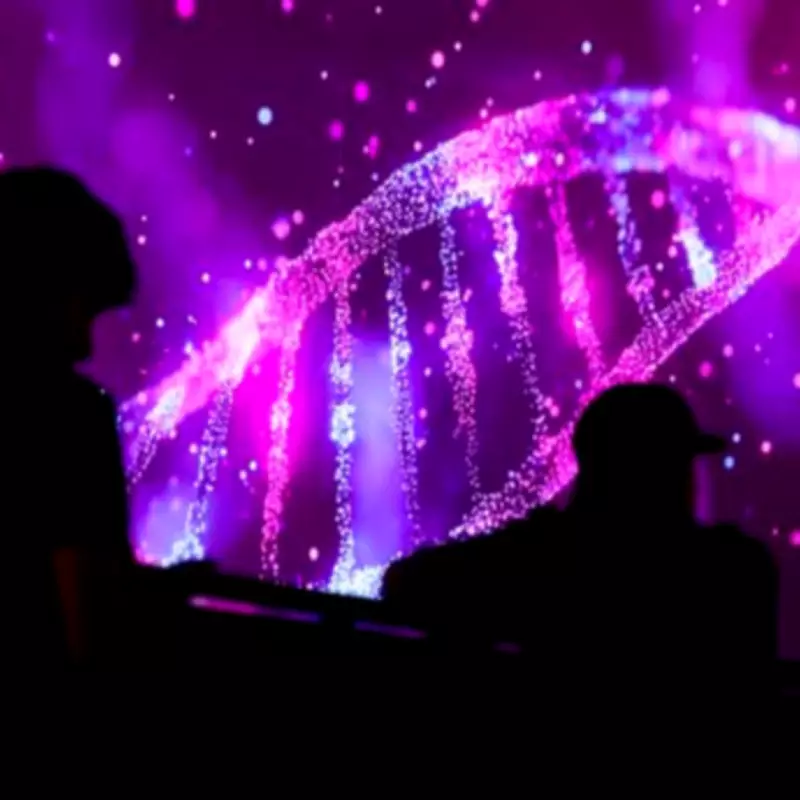
The analysis of pristine asteroid material, collected approximately 200 million miles from Earth, has revealed the full complement of nucleobases that constitute the fundamental architecture of DNA and RNA. These critical components—adenine, guanine, cytosine, thymine, and uracil—represent the complete chemical alphabet required to encode genetic information in all known terrestrial organisms.
This discovery significantly strengthens the hypothesis that the raw ingredients for biological systems were not exclusive to early Earth but were instead widely distributed throughout the nascent solar system. The findings, published in the prestigious journal Nature Astronomy, suggest that these vital molecules were already forming in space before our planet had fully coalesced.

A Time Capsule from the Solar System's Dawn
Asteroid Ryugu serves as an extraordinary chemical time capsule, having formed around 4.6 billion years ago during the solar system's infancy. The Hayabusa2 mission executed a meticulously planned sample collection in 2018-19, which involved briefly touching down on the asteroid's surface and firing a projectile to dislodge pristine material. These samples were safely returned to Earth via parachute in December 2020, minimizing any potential contamination from terrestrial sources.
Unlike meteorites that have landed on Earth and been exposed to environmental elements, the Ryugu samples offer an uncontaminated glimpse into the primordial chemistry that existed before life emerged on our planet. Laboratory analysis has revealed that Ryugu possesses a distinct chemical composition compared to other studied space rocks, indicating varied chemical histories across different regions of the early solar system.
Implications for Understanding Life's Origins
The presence of all five nucleobases on Ryugu provides compelling support for the theory that asteroids and comets may have delivered essential organic compounds to a young, barren Earth. This extraterrestrial delivery system could have provided our planet with a crucial head start in the development of complex biological molecules.
DNA functions as the stable, long-term storage system for genetic blueprints, while RNA acts as a versatile temporary messenger that reads and executes these instructions to construct proteins. Both molecules are absolutely fundamental to all known life forms, making their building blocks' presence in space particularly significant.
This discovery suggests that the fundamental chemistry necessary for life is not an exceptionally rare occurrence but rather a widespread phenomenon throughout our solar system. Research teams continue to examine additional grains from the Ryugu samples, with plans to compare these findings with materials recently returned from asteroid Bennu by NASA's OSIRIS-REx mission.
The convergence of evidence from multiple asteroid missions is painting an increasingly detailed picture of how cosmic processes may have seeded our planet with the chemical precursors to life, fundamentally reshaping our understanding of biology's cosmic context.