Ancient DNA Unlocks Canine-Human Bond Dating Back to Ice Age
A groundbreaking new study has revealed that the close relationship between humans and dogs extends back more than 14,000 years to the Ice Age. Researchers have uncovered compelling evidence that dogs were living alongside human hunter-gatherers long before the advent of farming, rewriting our understanding of canine domestication.
Revolutionary Genome Analysis
Previous studies had relied on limited DNA fragments and skeletal measurements, but this latest research successfully reconstructed whole genomes from remains over 10,000 years old. Scientists at the University of York compared these ancient genomes with over 1,000 modern and ancient species related to the canine family, confirming that dogs were already widespread across Europe and western Asia at least 14,000 years ago.
Professor Oliver Craig, from the University of York's Department of Archaeology, explained the significance: "We have long believed dogs evolved from grey wolves during the last Ice Age, but physical evidence of their association with humans has been difficult to confirm. During the earliest stages of domestication, dogs and wolves looked almost identical, and behavioural differences do not show up in the archaeological record."

Key Archaeological Discoveries
The research focused on bones recovered from two significant sites:
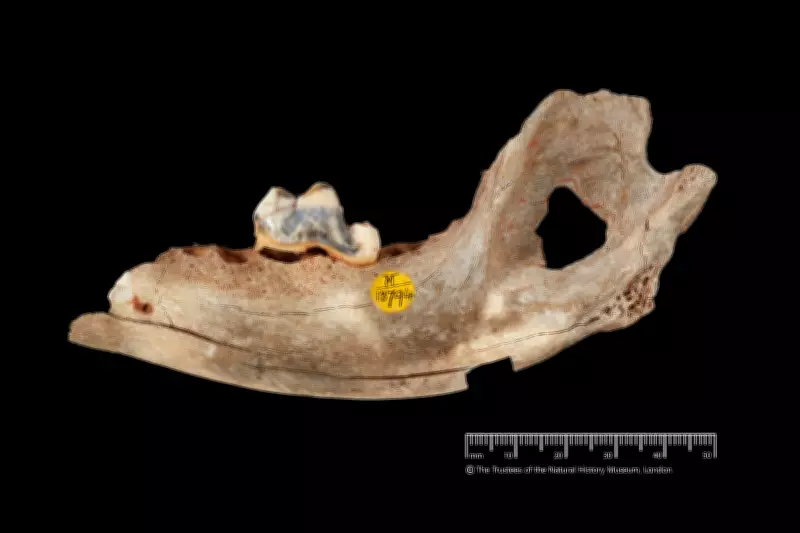
- A 14,300-year-old dog jawbone from Gough's Cave in Somerset, England
- Remains from Pınarbaşı in Turkey dating to the Late Upper Palaeolithic period
These findings indicate dogs were domesticated nearly 5,000 years earlier than previously thought, challenging established timelines of animal domestication.
Dietary Evidence of Close Association
A dietary analysis measuring carbon and nitrogen isotopes preserved in bone collagen provided crucial insights. The research showed that dogs consumed a similar diet to their human companions, particularly at the Pınarbaşı site where dogs ate fish-rich diets matching local human consumption patterns.
Lizzie Hodgson, a PhD student who assisted the study, noted: "A key finding came from Pınarbaşı, where the data showed that domestic dogs consumed a diet rich in fish, closely matching that of local humans. It is unlikely dogs were catching significant amounts of fish themselves, suggesting they were being actively fed by people."
Widespread Distribution and Genetic Diversity
The study, published in the prestigious journal Nature, reveals that dogs were present among different hunter-gatherer groups towards the end of the Ice Age. These ancient dogs were more closely related to modern European and Middle Eastern breeds than to Arctic dogs, indicating early genetic differentiation.
Dr William Marsh from the Natural History Museum highlighted the geographical spread: "These specimens allowed us to identify additional ancient dogs from sites in Germany, Italy and Switzerland, showing they were already widely dispersed across Europe and Türkiye by at least 14,000 years ago."
Dr Lachie Scarsbrook from LMU Munich added important context about genetic lineages: "Dogs with very different ancestries already existed across Eurasia, from Somerset to Siberia. This indicates that major dog lineages were already established around 15,000 years ago."
Implications for Domestication History
This research raises the remarkable possibility that dogs were domesticated more than 10,000 years before any other animals or plants. The findings suggest that the human-canine bond represents one of the earliest and most enduring interspecies relationships in human history, predating agricultural societies and permanent settlements.
The study demonstrates how advanced genetic analysis techniques are revolutionizing our understanding of prehistoric relationships between humans and animals, providing unprecedented insights into our shared history with our canine companions.