Ancient Dog DNA Rewrites Canine History: Origins Pushed Back 5,000 Years
Groundbreaking genetic research has dramatically reshaped our understanding of when and how dogs became humanity's closest animal companions. Using the oldest canine genes ever studied, scientists have pushed back the timeline of dog domestication by at least five millennia, revealing fascinating insights about our shared history with these loyal animals.
Unlocking Ancient Genetic Mysteries
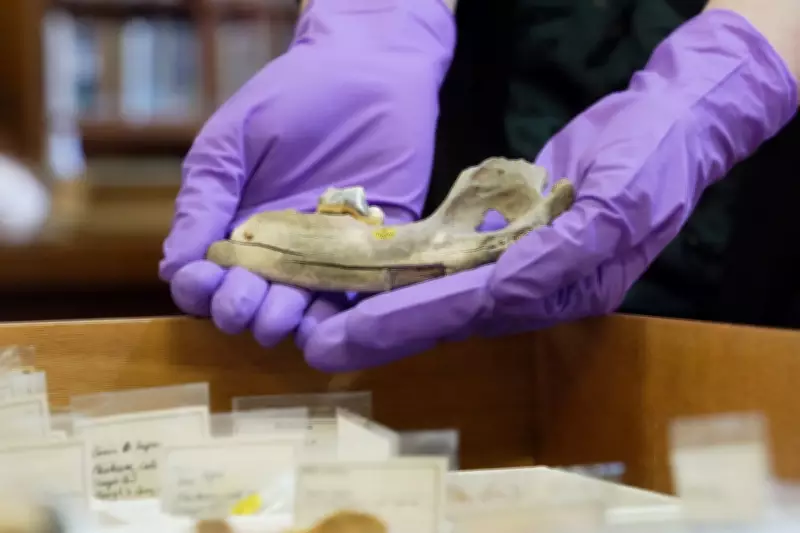
In two landmark studies published in the prestigious journal Nature, researchers developed innovative techniques to extract and analyze ancient canine DNA from archaeological remains. This breakthrough methodology allowed scientists to isolate genuine dog genetic material from contaminated samples that had previously frustrated researchers.
The research team examined genetic material from over 200 ancient dog and wolf specimens, with the oldest samples dating back approximately 15,800 years. This discovery represents a significant advancement, moving the established origin of domesticated dogs back by thousands of years from previous estimates.

"This unique relationship between people and dogs has existed for such a long time and is continuing on today," commented University of Michigan dog genomics expert Jeffrey Kidd, who was not directly involved in the new research.
Early Dogs and Hunter-Gatherer Societies
The genetic evidence reveals that dogs were already widely distributed across Western Europe and Asia by 14,200 years ago, during a period before the development of agriculture. These early canine companions lived alongside mobile hunter-gatherer human populations who roamed the landscape in search of resources.
Remarkably, the study found that European dog populations maintained remarkable genetic consistency despite major human migrations during the agricultural revolution. When farming peoples from southwest Asia arrived in Europe, they mixed extensively with local populations, creating significant genetic diversity among humans.
However, the dog populations studied from regions stretching from the United Kingdom to Turkey showed much less genetic change during this transformative period. Their genetic patterns were more influenced by interactions between different hunter-gatherer groups and their canine companions thousands of years earlier.
Contrasting Genetic Patterns Across Continents
This European genetic stability presents a striking contrast to canine populations in Asia and the Americas, where dog genetics more closely mirror the migration patterns and movements of their human owners. The research suggests that different regions experienced distinct evolutionary relationships between humans and their canine companions.
While scientists cannot yet definitively describe the appearance of the earliest domesticated dogs, they have developed educated hypotheses based on the genetic evidence. "We're suspecting they would have resembled smaller wolves," explained study co-author Lachie Scarsbrook from Ludwig Maximilian University of Munich.
The Enduring Human-Canine Bond
The exact nature of early human-dog relationships remains partially mysterious, though researchers speculate about various roles these animals might have played. Ancient dogs likely served as hunting assistants, provided protection for human settlements, and possibly even engaged in play with children, much as modern dogs do today.
Despite these new discoveries, significant questions remain unanswered. Scientists continue to work toward pinpointing the precise moment when wolves first transitioned into domesticated dogs—the initial chapter in a relationship that has endured for millennia.
"They are humanity's best friend, alongside our societies for the last 16,000 years and will continue to in the future," Scarsbrook concluded, emphasizing the enduring nature of this interspecies partnership that has spanned human history from prehistoric times to the present day.

The research represents a major step forward in understanding canine evolution while highlighting how genetic analysis can illuminate ancient relationships between species. As scientists refine their techniques and analyze additional specimens, further revelations about our shared history with dogs are likely to emerge, continuing to rewrite the story of humanity's oldest animal companion.