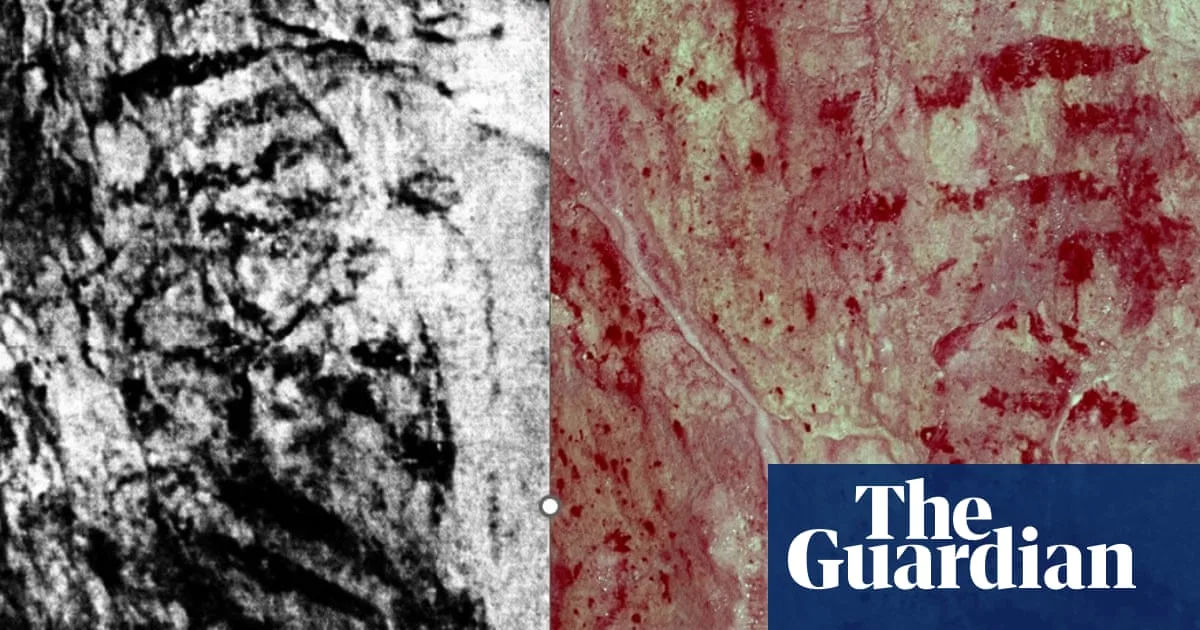
Scientific dating has confirmed that red streaks on the walls of Bacon Hole cave in south Wales are the oldest known cave art in Britain, created 17,100 years ago. The discovery overturns a 1928 conclusion that the markings were natural mineral deposits.
Originally reported by the Guardian in 1912 as Palaeolithic rock art, the panel of horizontal red bands was later dismissed as red oxide seeping through the rock. New analysis using uranium-thorium dating has proven the original interpretation correct, making it the earliest example of prehistoric art in Britain and north-western Europe.
Dr George Nash, who led the international research team, said: 'This is the earliest prehistoric art we have in Britain. We’ve used uranium-thorium dating for the pigments. We’ve got data 17,100 years before present, which makes it the oldest rock art in the British Isles.' The paint was applied by finger, and the pattern is deliberate and structured.

Bacon Hole, located in the Gower peninsula, is under the custodianship of the National Trust of Wales. The archaeologists argue it should now become a scheduled monument. The research, published in the journal Quaternary, involved scientists from the universities of Southampton and Swansea, among others.