Laughing at Minor Mistakes Boosts Likeability, Study Finds
When you trip over a pavement or accidentally wave to the wrong person, it might be best to laugh it off rather than cringe with embarrassment. According to a comprehensive new study, laughing at your own minor social mistakes can significantly enhance how others perceive you, making you appear warmer, more competent, and more authentic.
Research Methodology and Key Findings
In a series of detailed online experiments involving more than 3,000 participants, researchers presented scenarios of everyday embarrassing mishaps. These included walking into a glass door at a party or getting someone's name wrong. Participants then observed how the individuals in these stories reacted—either with laughter or embarrassment.
The results were clear: people who laughed at their own blunders were consistently judged more favorably. They were seen as warmer, more competent, and more genuine compared to those who displayed embarrassment. Co-author Övül Sezer from Cornell University explained, "Our findings suggest that people often overestimate how harshly others judge their minor social mistakes. For minor, harmless blunders, laughing at yourself can signal social confidence, reduce tension, and communicate that the mistake was accidental."

The Importance of Context in Social Reactions
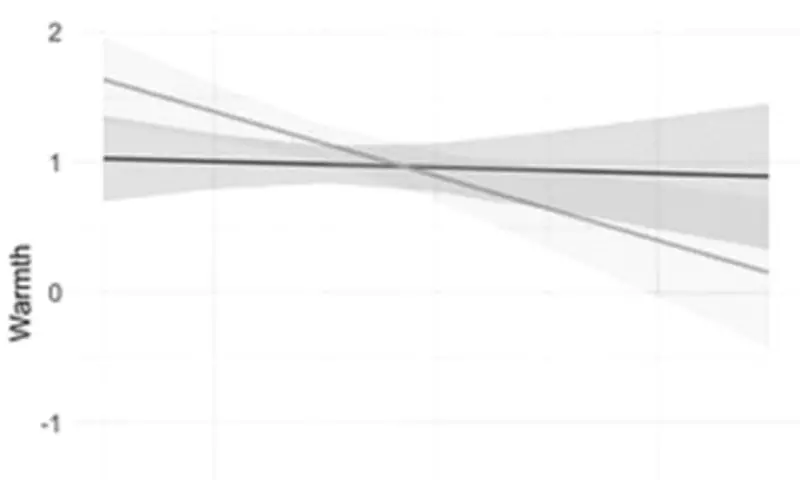
However, the study highlights a crucial caveat: the mistake must be harmless. When a faux pas causes minimal or no harm to others, displaying amusement maximizes reputation. But as the harm increases, laughter can backfire. In separate experiments, scenarios where a person tripped and broke their own arm or knocked over a colleague, breaking the colleague's arm, showed that laughing was viewed as inappropriate and decreased perceived warmth.
Dr. Sezer noted, "Observers tended to think that actors who displayed embarrassment were feeling more embarrassed than the situation warranted, while laughing signaled that they recognized the mistake was minor." This indicates that calibrating your reaction to the seriousness of the mistake is essential for maintaining social standing.
Balancing Embarrassment and Amusement
Previous research has found that acting embarrassed after a mistake can have social benefits, such as signaling remorse and respect for norms. Dr. Sezer added, "What's important is calibrating the reaction to the seriousness of the mistake." The study, published in the Journal of Personality and Social Psychology, concludes that while there's a common inclination to show embarrassment after a social gaffe, signaling amusement offers a more effective strategy for reputation management in harmless situations.
The team's findings suggest that for minor errors, laughing at yourself not only eases tension but also projects confidence and authenticity. So next time you make a small slip-up, consider a chuckle—it might just make you more likeable.