Entrepreneur Uses ChatGPT to Create Custom Cancer Vaccine for His Dog
An Australian technology entrepreneur has successfully developed what appears to be a bespoke cancer vaccine for his beloved dog, Rosie, by utilizing artificial intelligence tools including ChatGPT throughout the process. This remarkable story demonstrates how advanced medical technologies are becoming increasingly accessible outside traditional pharmaceutical laboratories.
The Canine Patient and Her Diagnosis
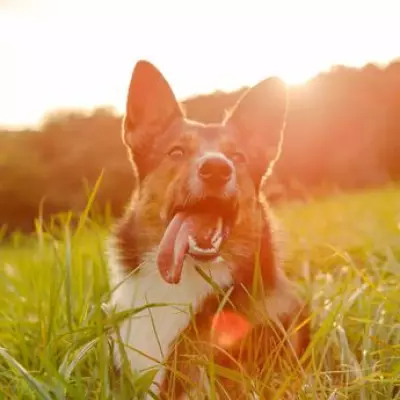
Rosie is an eight-year-old rescue Staffordshire bull terrier cross who developed aggressive mast cell cancer, a common but serious form of skin cancer in dogs. Despite undergoing surgery and chemotherapy treatments, the cancer persistently returned, eventually manifesting as large, unsightly tumours on her leg. Veterinary professionals informed her owner, Paul Conyngham, that Rosie likely had only months remaining to live.
Rather than accepting this prognosis, Conyngham decided to apply his professional expertise in data analysis, artificial intelligence, and coding to his dog's medical condition. His background in technology provided him with unique tools to approach this health challenge from an unconventional perspective.

Decoding the Tumour's Genetic Blueprint
The initial phase involved understanding what distinguished Rosie's cancerous cells from her healthy tissues. Every cell in the body contains DNA, a lengthy chemical molecule that functions as a biological instruction manual. Cancer develops when sufficient genetic alterations occur, whether by chance or through damage, causing cells to proliferate uncontrollably.
Conyngham commissioned a university laboratory to sequence the DNA from Rosie's tumour, generating an extensive file detailing the mutations that differentiated her cancerous cells from healthy tissue. These genetic variations essentially represented spelling errors in the cancer's biological instructions.
Leveraging AI for Vaccine Design
With this genetic data in hand, Conyngham turned to artificial intelligence chatbots, including ChatGPT, to understand how scientists design personalized cancer vaccines. He specifically inquired about transforming a list of mutations into viable targets for a canine cancer vaccine.
It is crucial to distinguish this type of cancer vaccine from traditional preventive vaccines. While conventional vaccines typically prevent infections by introducing harmless versions of pathogens, therapeutic cancer vaccines aim to train the immune system to recognize and attack existing cancer cells that it has previously overlooked.
The mRNA Technology Behind the Vaccine
The vaccine employs messenger RNA (mRNA) technology, similar to that used in some COVID-19 vaccines. If DNA represents the master biological instruction book, mRNA functions as a photocopied page sent to cellular protein-making machinery. For personalized cancer vaccines, scientists identify unique protein fragments specific to a particular tumour, known as neoantigens, and encode them within an mRNA sequence.
When injected, cells temporarily produce these tumour-associated protein fragments, allowing the immune system to recognize them as abnormal and potentially dangerous. Essentially, the mRNA provides the immune system with a most wanted poster specifically targeting that individual's cancer.
From Digital Design to Physical Vaccine
Using AI tools, Conyngham analyzed Rosie's tumour mutations to identify promising neoantigen candidates. He also employed protein structure prediction software to model how these mutated proteins might appear, attempting to determine which would be most visible to her immune system.
Importantly, Conyngham did not manufacture the vaccine independently. After creating a shortlist of targets, he collaborated with researchers at the University of New South Wales, including RNA technology specialists, who reviewed the data and designed an mRNA construct based on his findings. Their team transformed this digital design into a physical mRNA vaccine within laboratory conditions.
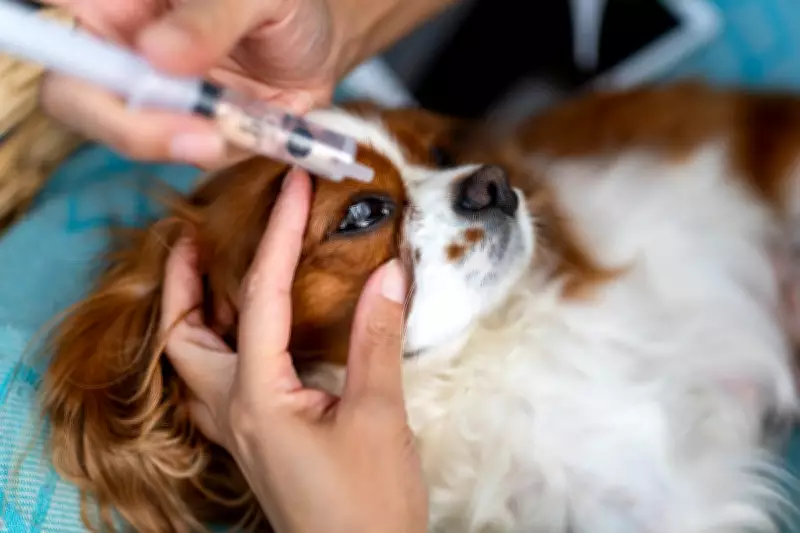
The resulting product was a unique vaccine created specifically for Rosie, encoding several mutations from her tumour. She received this experimental vaccine at a veterinary research centre, with booster doses administered over subsequent months.

Promising Results and Important Caveats
According to reports from her veterinarians and owner, several tumours shrank significantly, her overall tumour burden decreased, and her energy levels and behaviour improved noticeably. One resistant tumour has prompted additional analysis and a follow-up vaccine targeting a different set of mutations.
However, it is essential to recognize that this represents a single case involving one dog, not a controlled scientific study. Mast cell tumours can behave unpredictably, and researchers cannot definitively determine how much of Rosie's improvement resulted from the vaccine, how long the effects might last, or whether this approach would benefit other dogs or humans.
The artificial intelligence did not cure cancer independently. Rather, it served as an accessible guide and assistant, while qualified scientists verified its outputs and performed the complex laboratory work.
Broader Implications for Personalized Medicine
This case vividly illustrates several converging technological advancements. DNA sequencing enables reading specific mutations within individual cancers, while mRNA technology allows rapid creation of customized instructions to present those mutations to the immune system. Artificial intelligence systems make complex biological concepts more navigable for non-experts, suggesting potential targets and explaining intricate processes, though their outputs still require expert verification.
Combined, these technologies enable experimental approaches to bespoke cancer vaccines that previously would have required extensive pharmaceutical programmes. For the informed public, the most significant aspect may not be that AI has magically solved cancer, but that fundamental components of advanced personalized medicine are becoming increasingly accessible.
A motivated individual can now order tumour DNA sequencing, utilize artificial intelligence to help interpret the results, and collaborate with academic laboratories to transform that interpretation into an mRNA vaccine. This development presents significant scientific and ethical challenges ahead, including developing proper testing methodologies, protecting patients and animals from false hope and unsafe experiments, and determining equitable access if such approaches prove effective.