Monte Verde Redating Reshapes Theory of Human Migration into the Americas
A groundbreaking archaeological study has once again overturned long-held theories about how humans first populated the Americas, reigniting a heated academic debate with profound implications for our understanding of prehistory.
The Shifting Sands of Monte Verde
For decades, the dominant narrative of human arrival in the western hemisphere centred on the Clovis culture, which migrated from Asia across the Beringia land bridge between 13,400 and 12,800 years ago, spreading southwards. This theory was dramatically challenged in 1977 with the excavation of the Monte Verde site in southern Chile, near Puerto Montt. Initially dated to approximately 14,500 years old, Monte Verde appeared to be a significant outlier, suggesting human presence in South America long before the Clovis people arrived in North America.
Claudio Latorre, a paleoecologist at the Universidad Católica's biological sciences faculty in Santiago, reflected on this discovery, stating that it turned the entire story of the population of the Americas on its head. He noted that the idea of migration from north to south was basically chucked out of the window when Monte Verde's age was first estimated.

New Research Upends Previous Findings
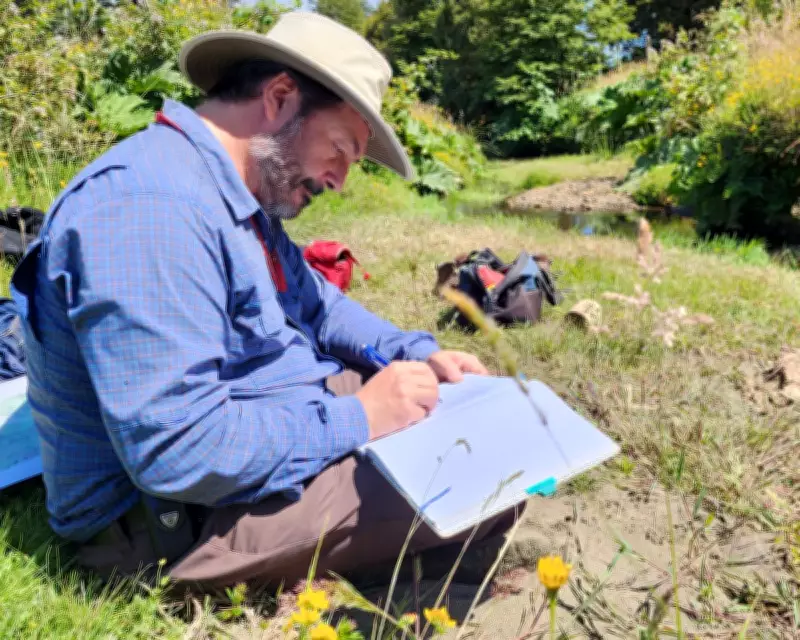
Now, a team of archaeologists led by Dr Todd Surovell from the University of Wyoming has published a study in the journal Science that re-evaluates Monte Verde's age. Their research concludes that the site is actually much younger, dating only between 6,000 and 8,000 years old. This finding places the north-to-south expansion theory back at the centre of the debate over human history in the Americas.
Surovell explained that Monte Verde had served as an anchor for the idea that people were in South America before the Clovis complex appeared in North America. He expressed scepticism over the years, leading to this independent survey, the first since the initial excavations by Tom Dillehay between 1977 and 1985.
Soil Erosion and Misdating
The new study attributes the previous misdating to soil erosion, which caused more recent archaeological evidence to be placed in older geological strata. This error had created what Surovell described as a great anomaly that shifted paradigms. With this correction, he believes the Monte Verde data point has been effectively erased, allowing for a clearer understanding of migration patterns.
Other pre-Clovis sites have been discovered across the Americas, from Mexico to Uruguay, but none have been independently verified. Surovell emphasised the need for further examination of these sites to advance knowledge, stating he prefers to be in the business of knowledge production rather than acting as an archaeological angel of death.
Implications for Future Research
This redating of Monte Verde not only revives the north-to-south migration theory but also highlights the importance of rigorous, independent verification in archaeology. As debates continue, this study underscores the dynamic nature of scientific inquiry and the ongoing quest to unravel the complex history of human settlement in the Americas.