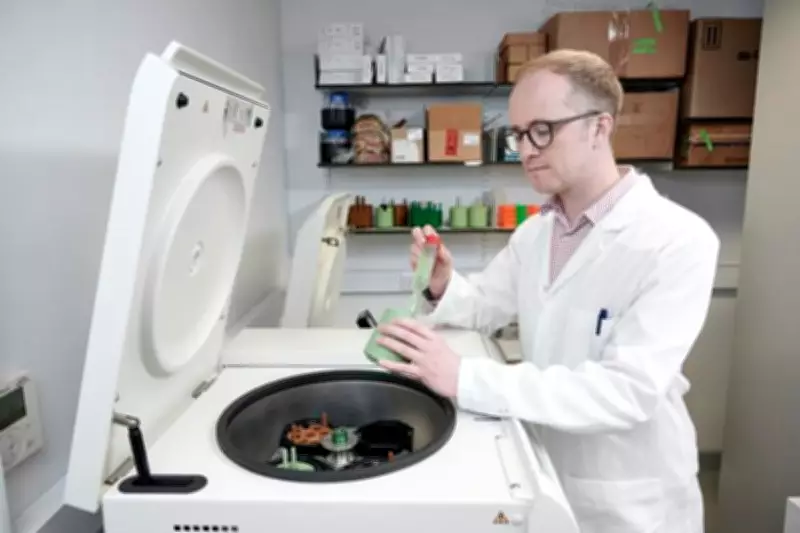
Plastic Bottles Transformed into Parkinson's Drug in Groundbreaking Study
In a remarkable scientific breakthrough, researchers have successfully transformed discarded plastic bottles into a life-changing medication for Parkinson's disease. This pioneering study represents the first instance where a natural biological process has been utilised to convert plastic waste, which would typically end up in landfill sites, into a therapeutic drug for a neurological condition.
Engineering Bacteria to Create Essential Medication
Scientists at the University of Edinburgh have genetically engineered E. coli bacteria to process polyethylene terephthalate (PET), a common plastic found in food and beverage packaging, into L-DOPA. This medication, also known as Levodopa, is considered the gold standard treatment for Parkinson's disease, helping approximately 166,000 people living with the condition in the United Kingdom.
L-DOPA works by stimulating dopamine production in the brain, effectively alleviating motor symptoms such as tremors, muscle stiffness, and movement slowness. Traditional pharmaceutical manufacturing methods for this drug rely heavily on fossil fuels, making this new plastic-based approach significantly more sustainable.

The Transformation Process
For the study, which was published in the prestigious journal Nature Sustainability, researchers first broke down PET waste into its chemical components, specifically terephthalic acid. The engineered bacteria then converted these molecules into L-DOPA through a carefully designed series of biological reactions.
Dr Liz Fletcher, deputy chief executive at the Industrial Biotechnology Innovation Centre, emphasised the importance of this achievement: "Turning plastic bottles into a Parkinson's drug isn't just a creative recycling idea, it's a way of redesigning processes that work with nature to deliver real-world benefits. By demonstrating that a harmful material can be converted into something that improves human health, the team is proving that sustainable, high-value applications of biology are both practical and effective."
Addressing Dual Global Challenges
This innovation tackles two pressing global issues simultaneously: plastic pollution and sustainable healthcare. Approximately 50 million tonnes of PET waste is generated annually worldwide. By repurposing this material for pharmaceutical production, researchers are preventing plastic from accumulating in landfills while creating essential medicines through environmentally conscious methods.
Professor Stephen Wallace, who led the study at the University of Edinburgh's School of Biological Sciences, expressed optimism about the technology's potential: "This feels like just the beginning. If we can create medicines for neurological disease from a waste plastic bottle, it's exciting to imagine what else this technology could achieve. Plastic waste is often seen as an environmental problem, but it also represents a vast, untapped source of carbon. By engineering biology to transform plastic into an essential medicine, we show how waste materials can be reimagined as valuable resources that support human health."
Broader Applications and Future Prospects
This research builds upon previous work from the same institution, where chemists used similar bacterial engineering techniques to produce paracetamol from plastic in June 2025. Both paracetamol and L-DOPA are currently manufactured using petroleum-based processes, highlighting the need for further development to scale these sustainable alternatives to commercial production levels.
The implications extend far beyond pharmaceuticals. Researchers suggest this technology could revolutionise the production of various consumer and industrial products, including:
- Flavourings and fragrances
- Cosmetics and personal care items
- Industrial chemicals and materials
- Additional pharmaceutical compounds
This groundbreaking approach demonstrates how innovative biotechnology can transform environmental challenges into healthcare solutions, potentially creating a circular economy where plastic waste becomes a valuable resource for improving human wellbeing.