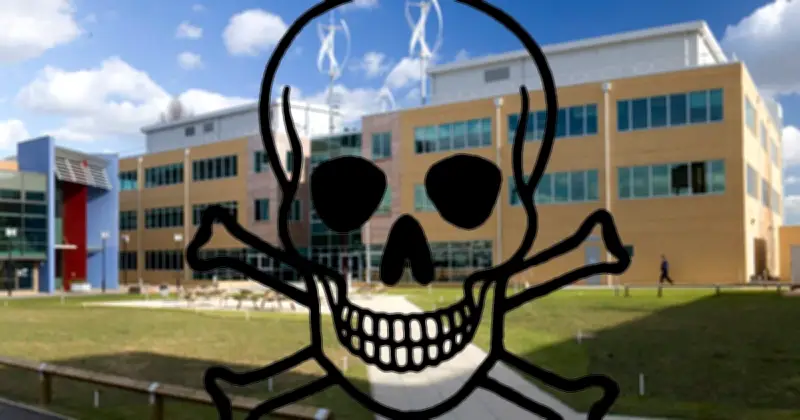
Government scientists and staff at the Animal and Plant Health Agency (APHA) in Weybridge, Surrey, have been exposed to tuberculosis samples, toxic chemical fumes, and dangerous bacteria in a series of safety incidents between 2021 and 2025, according to internal incident reports obtained by Brit Brief.
TB Containment Breach
In one of the most serious cases, a tuberculosis containment laboratory was evacuated after droplets from a potentially infected tissue sample squirted outside a microbiological safety cabinet during testing. Staff triggered emergency spill procedures, evacuated the lab suite, and later carried out fumigation amid fears of contamination spreading through linked containment rooms. A formal report to the Health and Safety Executive described the incident as a “dangerous occurrence” involving the “release or escape of biological agents.”
Formaldehyde Exposure Sends Nine to Hospital
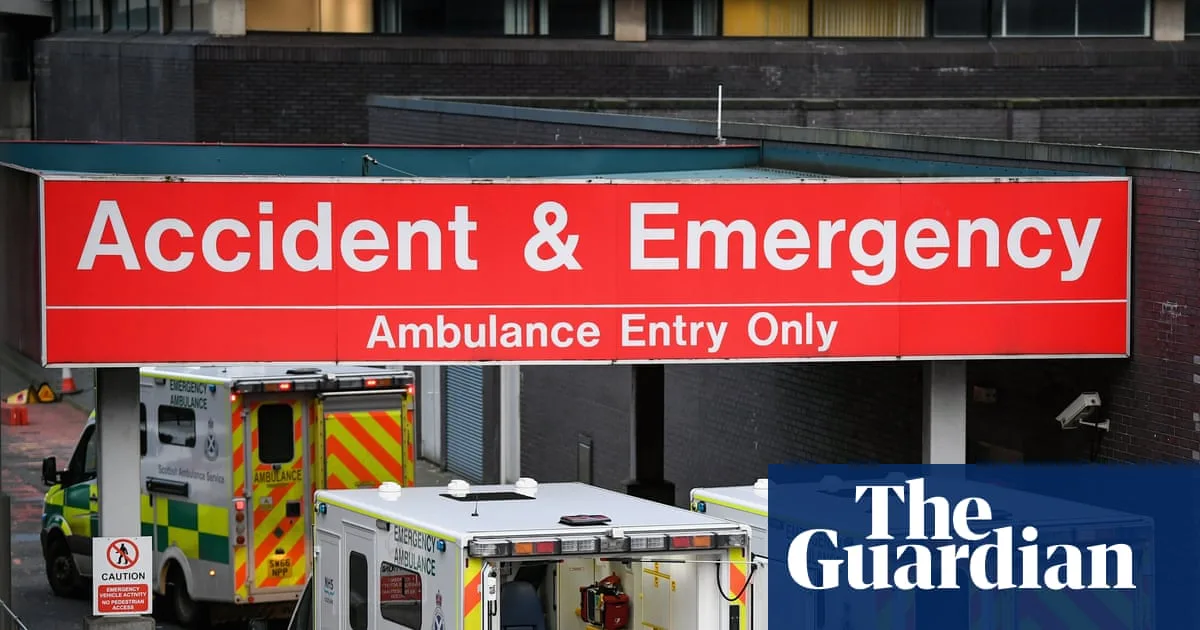
In another incident, nine workers were taken to hospital after a formaldehyde exposure at a high-containment research facility. Staff complained of stinging eyes and irritation after fumes from fumigation work were drawn into another building through the air handling system. Hospital staff later declared a “major incident” after the exposed workers arrived for treatment. Investigators identified failings in emergency planning, communication, and building systems.

Separate records showed another scientist suffered eye and nose irritation after being exposed to formaldehyde fumes during ventilation tests in a virology laboratory. The employee later attended A&E after NHS 111 advised hospital checks. Investigators criticised poor planning and staff working “in a silo” without adequate oversight.
Brucella Canis Exposure
The files also detail a potentially serious exposure to Brucella canis, a dog-borne bacteria that can infect humans. Scientists mistakenly handled a sample outside the highest containment area after key warning information was missed from paperwork. Two members of staff were referred to occupational health following possible exposure.
Injuries During Disease-Control Work
Other incidents involved frontline animal health inspectors being injured during disease-control work. One officer nearly lost a finger after accidentally stabbing themselves with a contaminated needle during bluetongue cattle testing. The worker initially carried on working before developing a severe infection requiring emergency surgery and several days in hospital on intravenous antibiotics. Doctors warned they could potentially have lost the finger if treatment had been delayed.
Another worker suffered a fractured hip after being knocked over by a doberman during an inspection visit, while a separate inspector suffered nerve damage after a cow crushed their arm against a metal cattle gate during tuberculosis testing.
Slip and Fall Accidents
The records also revealed repeated slip and fall accidents inside animal testing facilities. One employee slipped on oil leaking from a faulty door mechanism in an animal room after the hazard had already been reported earlier the same day. Internal investigators later criticised failures in reporting and maintenance arrangements.
The incidents were formally recorded under workplace safety and Riddor reporting systems between 2021 and 2025. Many triggered recommendations for procedural changes, revised safety measures, and reviews of emergency arrangements.
Expert Reaction
Ian Cooke, from the British Safety Council, said: "Strict containment, effective cleaning and ventilation along with robust emergency procedures are fundamental controls in any high-security laboratory handling infectious agents or hazardous chemicals. In facilities such as Biosafety Level 3 and 4 laboratories, these measures are not simply administrative requirements, they are the primary barriers preventing harm to workers, the public and the environment. Containment systems are designed to stop biological or chemical agents escaping the controlled environment. This includes sealed workspaces, controlled access, pressure differentials, specialist waste systems and secure handling protocols. High-hazard laboratory environments depend not only on technical controls, but also on consistent behaviours, transparent reporting and a strong commitment to continuous improvement."

APHA Response
An APHA spokesperson said: "APHA Weybridge maintains extremely high safety standards and our staff are highly skilled and trained to minimise any potential risk, so that critical scientific operations can be carried out safely day to day. Weybridge plays an integral role in maintaining the UK's high biosecurity standards and is renowned for its specialist research facilities and animal disease control capabilities."