Walking Style Reveals Hidden Emotional States Through Arm Movements
Scientists have made a fascinating discovery that the way a person moves their hands and legs while walking can provide significant clues about their emotional state. This breakthrough research reveals that subtle variations in gait patterns are directly connected to specific feelings, offering a new window into understanding human emotions through movement.
Decoding Emotional Cues Through Movement Analysis
Humans naturally rely on various cues to interpret the internal emotional states of others. These cues traditionally include micro-expressions – those barely noticeable movements of eyebrows, eyes, and mouth that can signal happiness, anger, fear, sadness, or surprise. Changes in body language, such as shifting from an open to a closed posture, can also indicate whether someone is showing interest or experiencing stress.
While these everyday cues help us infer moods, the precise relationship between specific movement patterns and distinct emotions has remained largely elusive until now. Researchers have now established that how individuals swing their arms and legs during walking is fundamentally connected to particular emotional states.

Experimental Design and Methodology
In this groundbreaking study, scientists aimed to identify and manipulate movement patterns in human gait to determine how these patterns influence emotion recognition. The research team conducted experiments where participants assessed videos of trained actors' coordinated movement patterns and attempted to deduce their emotional states.
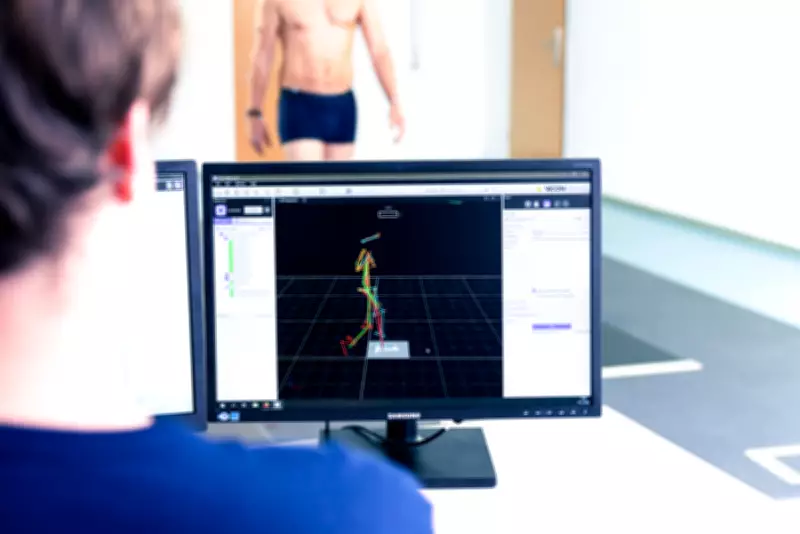
The actors were instructed to recall personal life events that provoked anger, happiness, fear, or sadness before walking a short distance while dwelling on these memories. To capture precise movement data, the actors wore reflective markers that allowed scientists to create detailed point-light videos for analysis.
Another experiment deliberately varied people's gait to resemble angry, sad, and fearful emotional states. Researchers found that participants' emotion judgments shifted significantly in the predicted direction, demonstrating that observers could accurately interpret emotional states through movement patterns alone.
Key Findings and Emotional Correlations
The study revealed that participants could infer actors' emotions at a level significantly better than chance. Most notably, researchers discovered that larger arm movements were consistently perceived as linked with anger, while reduced arm movements were strongly associated with sadness.
These findings indicate that specific movement patterns can independently influence emotion recognition, providing scientific validation for what many people intuitively sense about body language. "To some degree, the walkers' intended emotions were indeed perceived by the observers," scientists wrote in their published research.
Research Implications and Future Applications
The study, published in the prestigious journal Royal Society Open Science, represents a significant advancement in understanding how movement communicates emotional information. The researchers noted that "our approach offers an effective framework for isolating and manipulating dynamic features within complex movements, thereby advancing understanding of emotional, aesthetic, and technical evaluations of movement."
This research has potential applications across multiple fields, including psychology, animation, robotics, and therapeutic interventions. Understanding how movement patterns convey emotions could improve everything from character animation in films to developing better therapeutic approaches for emotional recognition difficulties.
The discovery that walking style reveals emotional states adds a new dimension to our understanding of non-verbal communication, demonstrating that even our most basic movements contain rich emotional information that others can consciously or unconsciously perceive and interpret.