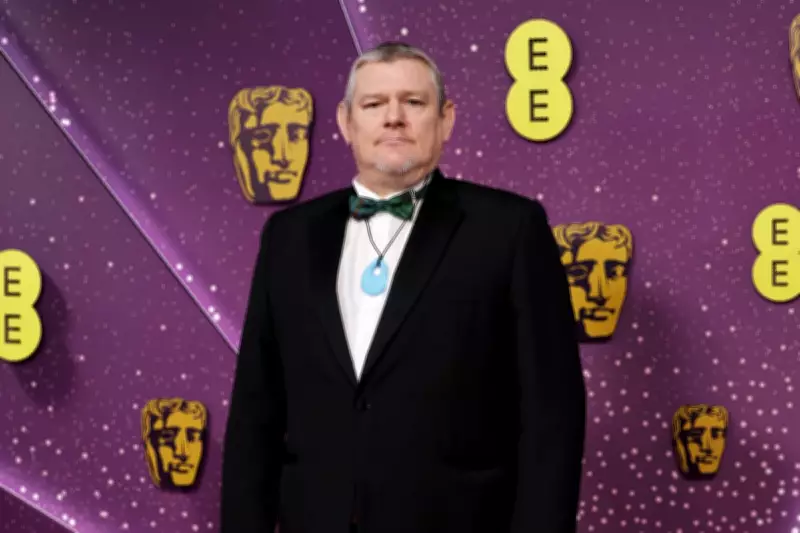
At the recent BAFTA awards ceremony, actor John Davidson delivered a powerful acceptance speech for his role in the film 'The Tourettes', which has since sparked widespread debate on disability representation in the entertainment industry. His remarks have resonated deeply, challenging long-held stereotypes and calling for a more inclusive approach to storytelling.
A Groundbreaking Moment at the BAFTAs
John Davidson, known for his compelling performances, took to the stage to accept the award for Best Actor, using the platform to address the portrayal of disabilities in film. In his speech, he highlighted the importance of authentic representation, particularly for conditions like Tourette's syndrome, which he depicted in 'The Tourettes'. Davidson emphasised that such roles should not be reduced to mere caricatures but should reflect the real-life experiences and dignity of individuals living with disabilities.
Challenging Stereotypes and Misconceptions
Davidson's speech directly confronted common misconceptions about Tourette's, a neurological disorder often misunderstood in popular media. He argued that films have a responsibility to educate and humanise, rather than perpetuate stigma. By sharing insights from his research and interactions with the Tourette's community, Davidson underscored the need for sensitivity and accuracy in depicting disabilities, which can influence public perception and policy.

Calls for Greater Inclusion in the Film Industry
Beyond his critique, Davidson called for tangible changes within the film industry to promote inclusivity. He advocated for more opportunities for disabled actors and filmmakers, suggesting that diversity behind the camera is as crucial as on-screen representation. His speech has prompted discussions among industry leaders about implementing better casting practices and support systems to ensure that disabled voices are heard and valued.
Reactions and Impact on Public Discourse
The response to Davidson's speech has been overwhelmingly positive, with many praising his courage and eloquence. Disability rights organisations have lauded his efforts to bring attention to issues of representation, while some critics have engaged in debates about the balance between artistic freedom and social responsibility. This incident has amplified conversations about how media shapes societal attitudes towards disability, potentially influencing future productions and audience expectations.
In summary, John Davidson's BAFTA speech has become a pivotal moment in the ongoing dialogue about disability in film. By using his platform to advocate for authentic representation and inclusivity, he has not only celebrated his achievement but also inspired a broader movement towards more empathetic and accurate portrayals in the entertainment world.