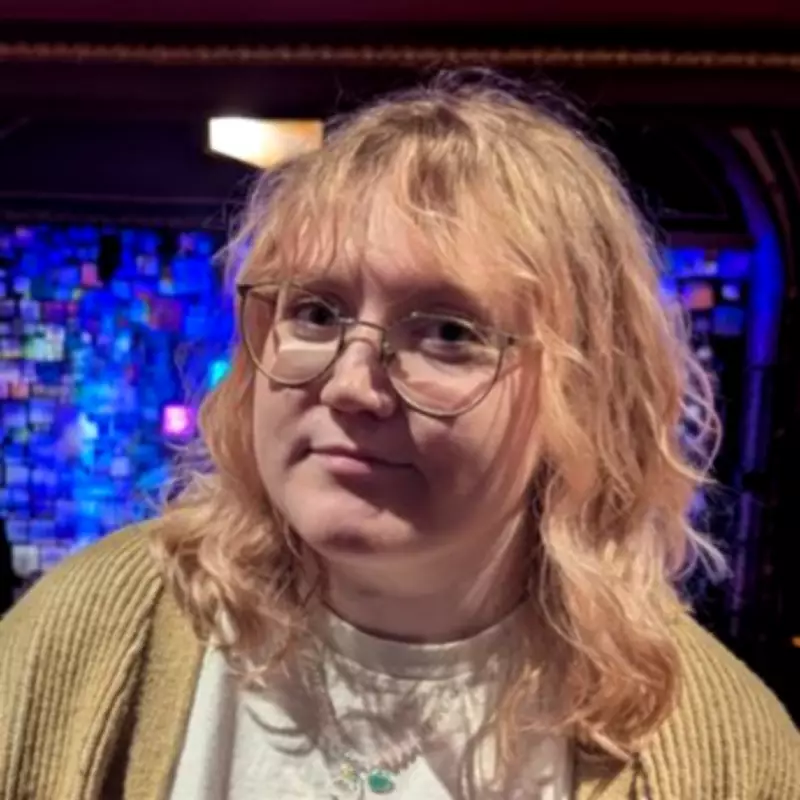
Going to a theatre show should be something that's accessible to everyone, and Senior Social News reporter Zahna Eklund has shared their experience with one 'game-changing' feature.
Accessible theatre shows are game-changers for people with autism
Going to the theatre is an absolutely magical experience that everyone should have access to. Whether you want to take the whole family to see a musical or want to treat yourself to a play or even a ballet performance, the theatre and its performers are an art form that we shouldn't let die - no matter what some Hollywood stars might say.
Theatre shows are already somewhat accessible to most people in terms of how regularly they run, with most shows putting on performances on most evenings, as well as some afternoon matinees. There are also accessible seats in most theatres that are designed for people in wheelchairs or who need a bit more space than a regular theatre seat offers.

But for those who need extra help in other areas, a regular theatre show doesn't always deliver. I have been on the waitlist for an autism assessment for over two years, and as someone who is (probably) neurodivergent, I can sometimes struggle with audio processing, which can make theatre shows a nightmare.
Auditory processing disorder (APD) is a condition where the brain struggles to interpret and make sense of sounds. People with APD have healthy ears and normal hearing thresholds, but the brain cannot process the information it receives. APD can be caused by a brain injury or illness, but it often co-occurs with other conditions like ADHD, autism, or dyslexia.
For me, sounds often take longer to process than they would for a neurotypical brain. This most commonly shows itself when I answer questions several seconds late, as my brain is still trying to comprehend what was just asked of me. When it comes to consuming entertainment, it means having the subtitles on when I watch Netflix, or pulling up the lyrics to read along whenever I listen to a new song.
The entire theatre performance was captioned
And as much as I love going to the theatre, I always thought I would just have to put up with only understanding about 50% of what was going on. After all, you can't exactly subtitle a live performance that you're not watching on a screen - can you?
It turns out you can, actually. And it's a game-changer.
Theatre tickets are expensive, so as much as I love to go, it's usually a once-a-year investment. This year, my mum and I were looking for tickets to go and see Matilda at Southampton's Mayflower Theatre, but because of our often conflicting schedules, the dates we could attend were limited.
One of the only dates both of us were free happened to be on a day when the Matilda performance was captioned, which immediately piqued my interest. Neither of us had ever seen this as an option before, and I was interested to see whether it would solve all my theatre-based audio problems, so we booked the tickets and headed to the venue.
What is a captioned theatre show like?
When we arrived at the theatre and took our seats, we immediately noticed two small screens at either side of the stage. They were already lit up, telling the audience the performance would be captioned. Before the show began, they also informed people why captioned shows are so important.
Not only do they help neurodivergent people, but they are also vital for those who are deaf or hard of hearing, and can even be helpful for people whose first language isn't English, as reading in English can sometimes be easier than listening.
When the show began, the captions detailed every part of the performance, from the lyrics and songs to the words between songs, and even included audio description for important noises and music cues that might otherwise be missed.
There was one slight drawback, however. The screens with the captions on them were to the side of the stage, which meant that you had to choose between watching the performers and reading the captions. In an ideal world, there would have been another screen at the top of the stage where the lights are, but I assume that wasn't possible.

It took some getting used to, but the screens definitely did help, even if they were poorly placed. I found that the words were ever so slightly behind the performance, so you could watch the actors and then quickly glance at the screens to double-check what they'd said if you'd missed a word.
The performance itself was amazing, of course, and I will say that the entire cast, including the children, made it very easy to understand what was going on even without the captions.
Matilda is a theatre show designed for people of all ages, and it's based on the Roald Dahl book that I've read before, so it isn't the most complicated of shows to test the captions out on. Perhaps they would have come in handy when I went to see Hamilton at the same theatre last year, where I spent the entire interval reading the historic timeline in my programme, trying to figure out how far along we were in the story.
Many theatres offer captioned performances, and there are several other types of accessible performances to suit all needs. The Mayflower, for example, offers audio-described performances and performances interpreted in British Sign Language.
They also offer relaxed, chilled performances designed to help those with autism, sensory difficulties, or learning disabilities. In relaxed performances, there is a casual approach to audience noise and movement, and the house lights stay on during the show. They may also include changes to the show itself, such as quieter music, avoiding strobe lighting, and reducing surprising sound effects.
Theatre should be accessible to everyone, and I would highly encourage anyone who has stopped themselves from enjoying the art form because of an accessibility need to give one of these shows a try.