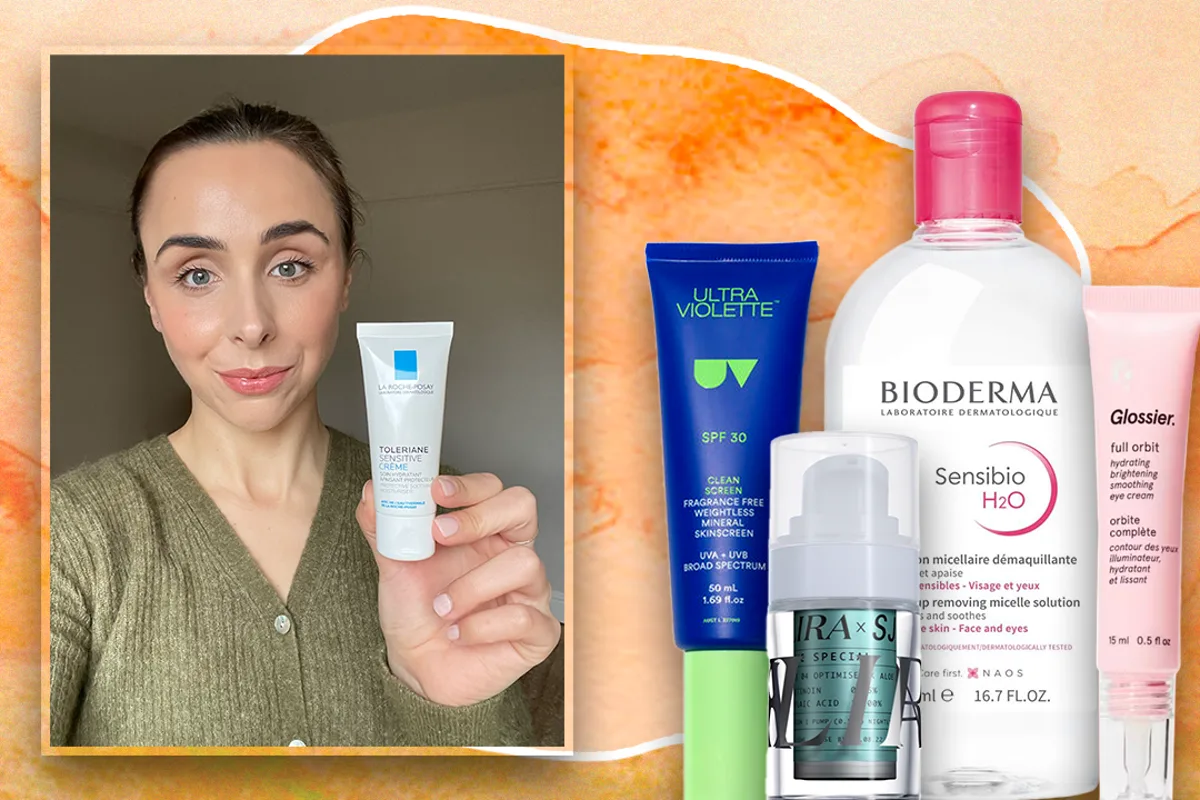
Perioral dermatitis (PD) is a stubborn skin rash often mistaken for acne, but with the right approach, it can be managed effectively. Consultant dermatologist Dr Aiza Jamil explains that PD is characterised by chronic small red bumps, pustules and irritation, typically centred around the mouth, nose or eyes, unlike acne which is more scattered. The first step in treatment, advises Dr Sharon Wong, is to stop using topical steroids and heavy creams, and pare back skincare to a simple routine of cleanser, moisturiser and SPF, avoiding active ingredients like vitamin C, acids and retinols.
For moderate to severe cases that don't respond to a simplified routine, prescription treatments may be necessary. The author's own PD cleared with a streamlined routine plus prescription azelaic acid and six weeks of oral doxycycline. However, flare-ups can still occur when introducing new products, so the author has curated a list of low-irritation staples that are dermatologist-approved and tested during flare-ups.
Moisturiser is essential for barrier recovery, according to Dr Jamil, who recommends a lightweight formula to avoid exacerbating PD. The author's top pick is Avène Cicalfate+ Restorative Protective Cream, which soothes redness and irritation with a post-biotic ingredient derived from spring water. It is fragrance-free and suitable for reactive skin, though deeper skin tones may notice a slight white cast if not rubbed in thoroughly.

Another often-overlooked culprit is flavoured or fragranced lip balm, which can migrate to the skin around the mouth and worsen PD. The author recommends CeraVe Advanced Repair Ointment, a fragrance-free, no-frills balm that hydrates and protects chapped lips without irritating surrounding skin. It is an occlusive, so it should not be applied directly onto active PD, but used on the lips it creates a protective barrier.
In summary, treating perioral dermatitis requires a gentle, minimalist approach. By avoiding irritants, using lightweight moisturisers and choosing simple lip care, most cases can be controlled. For persistent symptoms, prescription options like azelaic acid or oral antibiotics may be needed, always under dermatological guidance.