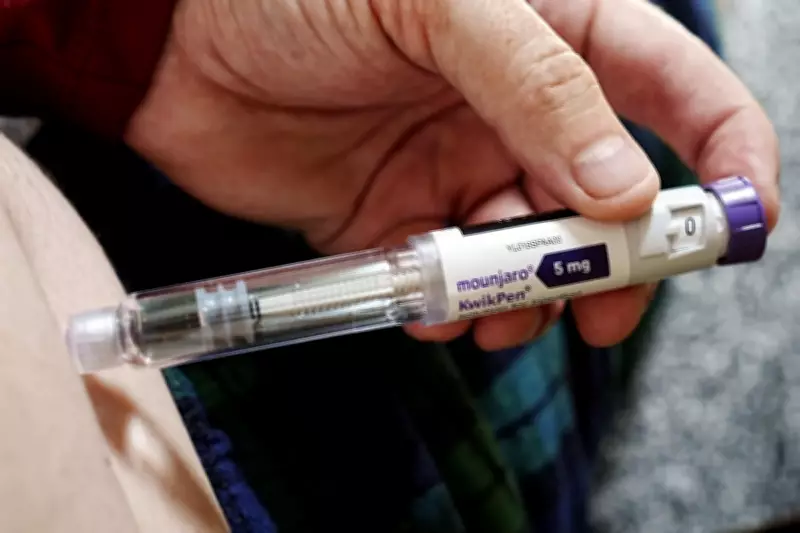
GLP-1-class weight-loss drugs, already known for helping users shed dozens of pounds, are now being recognised for a range of additional health benefits. One in eight Americans currently takes these injections, which gained popularity in the early 2020s. Researchers have since uncovered positive effects on harmful inflammation linked to cancer, dementia, and cardiovascular disease.
Heart Health
Lower inflammation from GLP-1 drugs protects blood vessels. According to Dr. Christina Dunbar Matos, a cardiologist at Nebraska Medicine, inflammation is a key factor in the development of the most common heart disease in the United States. Treating the root cause is highly beneficial. These injections also reduce hospitalisations and deaths in patients with heart failure with preserved ejection fraction (HFpEF). Recent studies from the University of Bristol and University College London indicate that GLP-1 mimicking drugs can prevent further tissue damage after a heart attack, lowering the risk of complications. Professor David Atwell of University College London emphasised the potential for repurposing these drugs to treat 'no-reflow' in heart attack patients, offering a life-saving solution.
Kidney Protection
Over one in seven Americans lives with chronic kidney disease, often unaware. GLP-1 drugs reduce the risk of disease progression and kidney failure, according to the American Kidney Fund. By controlling blood sugar levels, less sugar reaches the kidneys, preventing damage. A Johns Hopkins study published this week found that type 1 diabetes patients taking GLP-1s saw a 15% reduction in the five-year risk of major cardiovascular events and a 19% reduction in end-stage kidney disease.

Liver Benefits
GLP-1 drugs show promise in treating liver disease. Harvard researchers found that these medications can reverse liver scarring caused by metabolic dysfunction-associated steatohepatitis (MASH), a common reason for liver transplants. A King's College London study revealed that semaglutide, the active ingredient in Ozempic and Wegovy, effectively treats liver disease in two-thirds of patients. In August, the U.S. Food and Drug Administration approved Wegovy for treating MASH in adults with significant liver scarring.
Disease Prevention
GLP-1 drugs may benefit the 7.2 million Americans with Alzheimer's disease and the 100 million with obesity. Obesity increases the risk of life-threatening cancers, with 2.1 million new cases expected this year. Purdue University researchers found that GLP-1 users have a reduced risk of 14 cancer types, including a 47% lower risk of ovarian cancer. For Alzheimer's, results are mixed. Semaglutide pills did not slow disease progression in a November trial, but liraglutide showed nearly 50% less brain volume loss and an 18% slower cognitive decline in December. Scientists are still exploring the relationship. Professor Paul Edison of Imperial College London noted that a negative trial might indicate poor drug access to the brain rather than a failure of the concept.