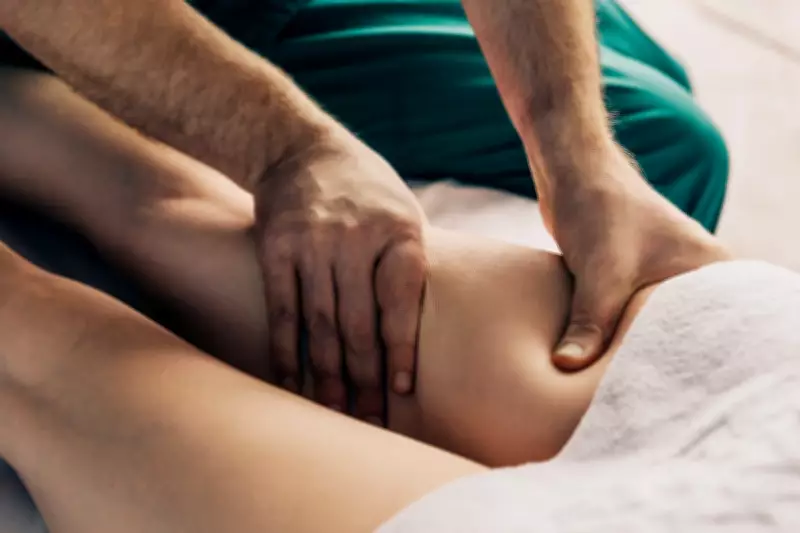
Lipoedema is a long-term condition primarily affecting women, characterised by an abnormal, symmetrical build-up of fatty tissue, usually around the hips, buttocks, and legs. It often develops or worsens during hormonal changes such as puberty, pregnancy, or menopause.
Misdiagnosis and Distinction
The condition is frequently misdiagnosed as general weight gain or obesity. However, the fat accumulation in lipoedema does not respond to diet or exercise in the same way as ordinary fat. It is also distinct from lymphoedema, despite the similarity in names.
Diagnosis Methods
Diagnosis relies on medical history and physical examination. Clinicians look for typical signs including abnormal fat distribution, tenderness, easy bruising, and unaffected hands and feet. There is no specific blood test or scan to confirm lipoedema.

Management and Treatment
While there is no cure, symptoms can be managed through a holistic approach. This includes healthy eating, low-impact exercise, compression garments, good skin care, and psychological support. In some cases, specialised liposuction or bariatric surgery may be considered.
Seeking advice from healthcare professionals knowledgeable about the condition is crucial for effective management and emotional wellbeing. Early recognition and a comprehensive treatment plan can significantly improve quality of life.