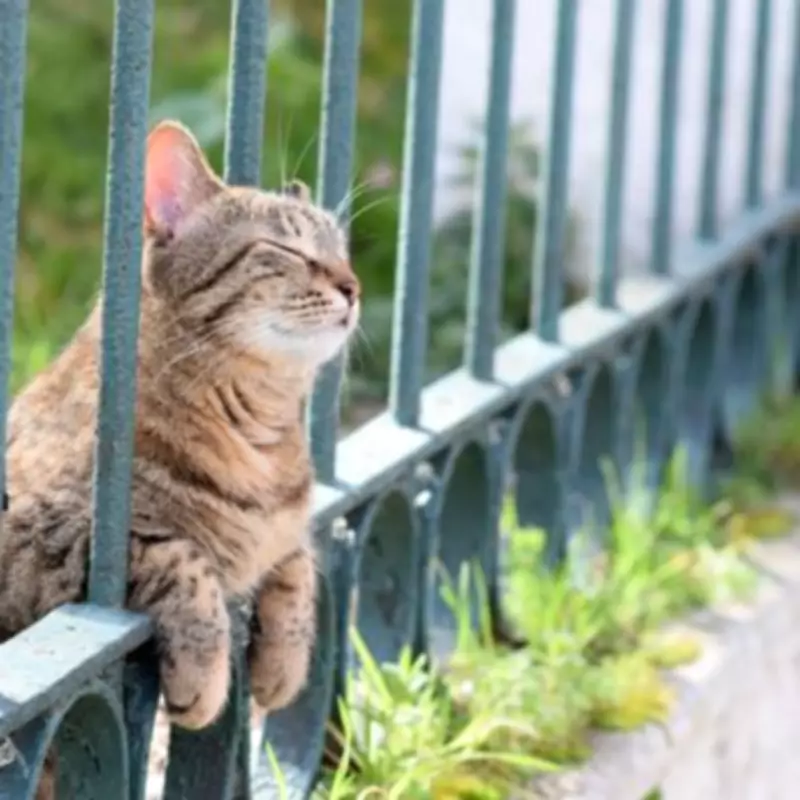
As the UK braces for what could be the hottest May day on record, with temperatures soaring up to 33°C over the bank holiday weekend, veterinarians are urging cat owners to avoid a common mistake that could endanger their pets. Mireia Balliu, a veterinarian, has issued a warning against spraying cats with water to cool them down, a practice she says causes stress and can be harmful.
Why Spraying Water Is Harmful
Balliu explains that cats dislike being sprayed with water, and it can lead to significant stress. Instead of helping them cool off, it may exacerbate their discomfort. Cats have limited ability to regulate body temperature, making them more susceptible to heatstroke, a potentially fatal condition. Heatstroke occurs when a cat's body temperature exceeds 40°C, damaging vital organs like the heart, brain, and kidneys.
Signs of Heatstroke in Cats
Early recognition of heatstroke symptoms is crucial. Common signs include excessive panting, weakness, tremors, reddened gums, vomiting, loss of coordination, and in severe cases, seizures or coma. Balliu advises owners to watch for unusual behaviour, such as hiding or lethargy, and to seek veterinary care immediately if symptoms appear.

Vulnerable Cats
Certain cats are at higher risk during hot weather. Elderly cats, kittens, overweight cats, those with chronic illnesses, and brachycephalic breeds (like Persians) are more vulnerable. Cats with dense or dark-coloured fur also retain more heat and require extra precautions.
Safe Cooling Methods
Balliu recommends focusing on hydration, ventilation, and cool resting spots. Owners should provide multiple bowls of fresh, cool water in shaded areas and consider wet food or cat soups to boost hydration. To cool cats safely, she suggests gently stroking them with a damp glove (if tolerated), placing chilled towels on the floor, using frozen water bottles wrapped in towels, or providing cooling mats. Brushing long-haired cats daily helps improve airflow, and energetic play should be avoided during peak heat hours.
Prevention Is Key
As temperatures rise, prevention and prompt action are essential. Never leave a cat in a closed car or poorly ventilated space, and ensure the home remains cool and ventilated. By following these guidelines, owners can help their feline companions stay safe during the heatwave.