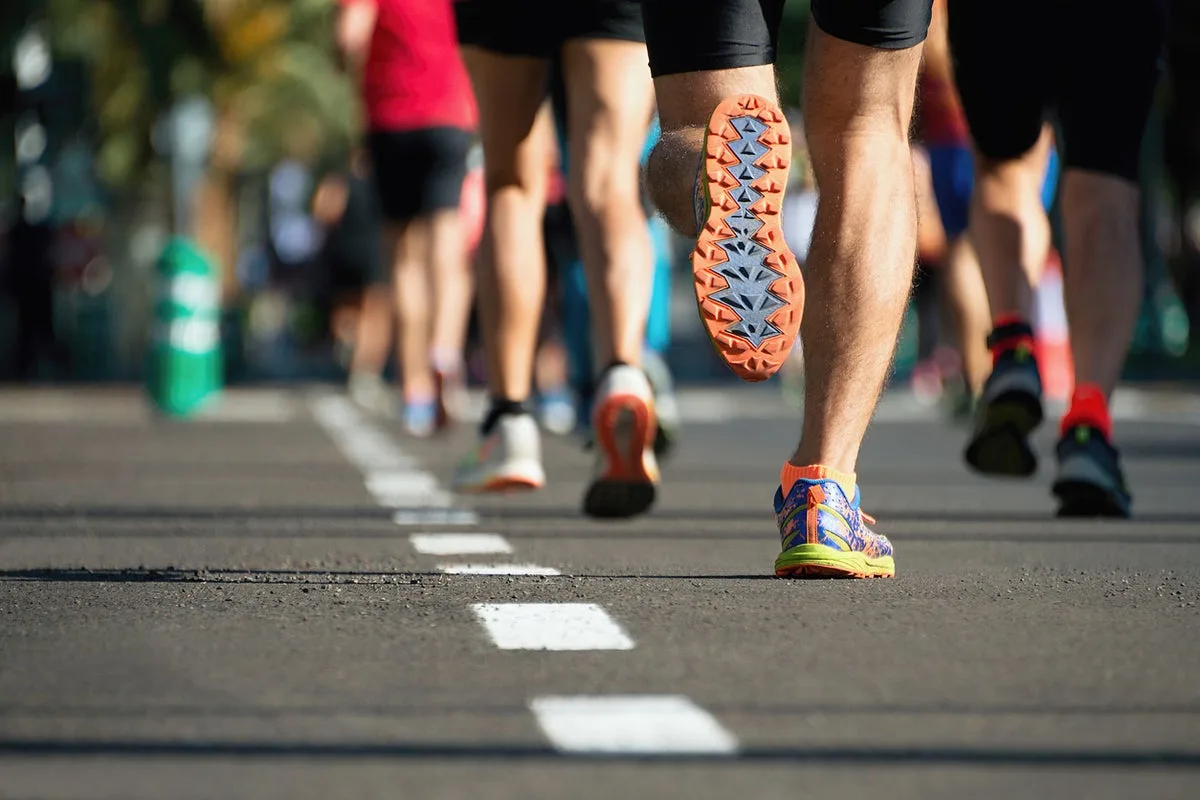
In our modern, time-squeezed lives, it’s tempting to do everything as fast as possible: listen to podcasts on double speed, work in email-free sprints, or train at lung-bursting intensity. But evidence is piling up that the last one might not be as beneficial as it seems – and that, in fact, just introducing a lot more ultra-low-intensity movement into your schedule can improve your fitness as well as your quality of life. Welcome to zone zero.
Zone training is a way of structuring workouts based on how high your heart rate gets as a percentage of its maximum. Zone zero, the state just slightly above total inactivity, where your heart never gets above 50% of its maximum rate, is enjoying a resurgence. It’s essentially where you spend most of your semi-active life: walking slowly, doing light tidying, or even working at a standing desk. It shouldn’t really feel like exercise at all – but it might help you live longer, run faster, or feel better.
“Zone zero is an accessible way to increase daily movement without the need for formal workouts or special equipment,” says Brian Passenti, founder of Altitude Endurance Coaching. “Getting more time in it can be as simple as parking further from the shops to get more steps in, taking a walk break while on a work call, or standing and stretching regularly at your desk.”

To understand why this is beneficial, it helps to know a bit about how your body fuels itself. After a meal, carbohydrates are broken down into glucose. When you stand up or walk around, your muscles start contracting, which uses some of this glucose for fuel. A 2022 review of studies found that even a little bit of light-intensity walking was enough to “significantly attenuate” post-food glucose levels compared with continued sitting, which almost certainly reduces your risk of insulin resistance and type 2 diabetes.
Low-intensity exercise also uses a higher percentage of fat for fuel than high-intensity exercise, which tends to rely on glucose. This means that walking for a long time, or walking in a fasted state, tends to pull energy from your body’s fat stores. Total calories burned matter, and if fat loss is your main goal, adding more high-intensity exercise might get you there faster – but if that’s unpleasant, injurious, or makes you ravenous, it may do more harm than good.