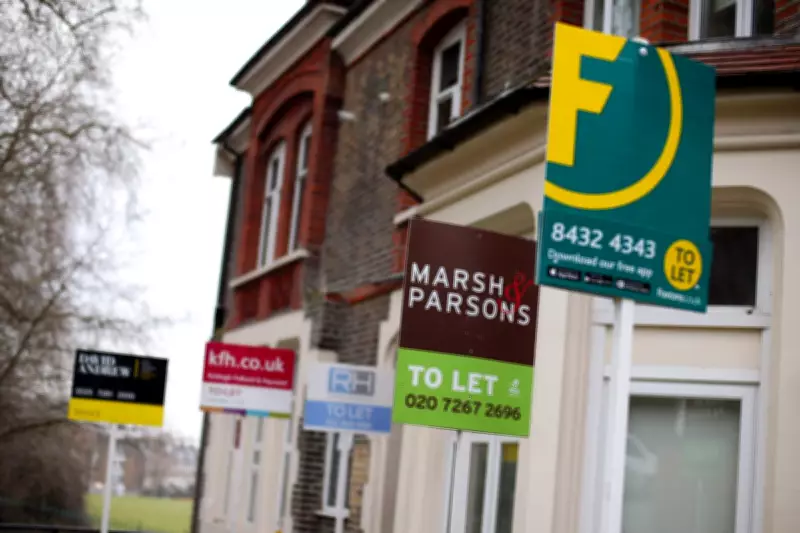
The Renters' Rights Act comes into force this Friday, ending no-fault evictions for 11 million private tenants in England. The new reforms ensure landlords must now provide a valid justification for removal, transforming the rental sector.
Key Changes Under the Act
The Act abolishes Section 21 'no-fault' evictions, shifting tenancies from fixed contracts to rolling month-to-month or week-to-week agreements. Tenants can end these with two months' notice, providing greater flexibility. Landlords must also reasonably consider requests to keep pets.
Rent increases are now limited to once a year, and tenants can challenge unfair hikes. Bidding wars are curbed as landlords must stick to the advertised rent. Upfront rent is capped at one month, and landlords cannot refuse tenants based on benefits or children.

Government and Campaigner Reactions
Prime Minister Sir Keir Starmer said: "For too long, families have lived with the constant fear of eviction... This historic action will make renting fairer, safer and more secure for millions." Housing Secretary Steve Reed added: "We are putting a stop to this with historic changes that give renters the security they deserve."
Generation Rent chief executive Ben Twomey called it "a new era for private renters," while Crisis chief executive Matt Downie noted renters can "feel safe and secure without the threat of an unnecessary eviction." Dogs Trust's Jennifer Leonard highlighted that fewer renters will face choosing between a home and a pet.
Penalties and Enforcement
Penalties for breaking the rules can reach up to £40,000. However, Section 21 repossession claims already in court will still proceed. Shelter estimated over 2,000 households a month will be protected from homelessness due to no-fault evictions.
Public Awareness and Impact
A Rightmove survey found 73% of renters were aware of the changes, but 37% lacked confidence in understanding their rights, especially among 18-34 year olds. The average rental home now receives eight inquiries, down from 29 at the 2022 peak, indicating easing competition.
Societal shifts mean more people rent into later life. Joanna Elson of Independent Age said many older tenants lived in "constant anxiety" but now feel a step closer to security.