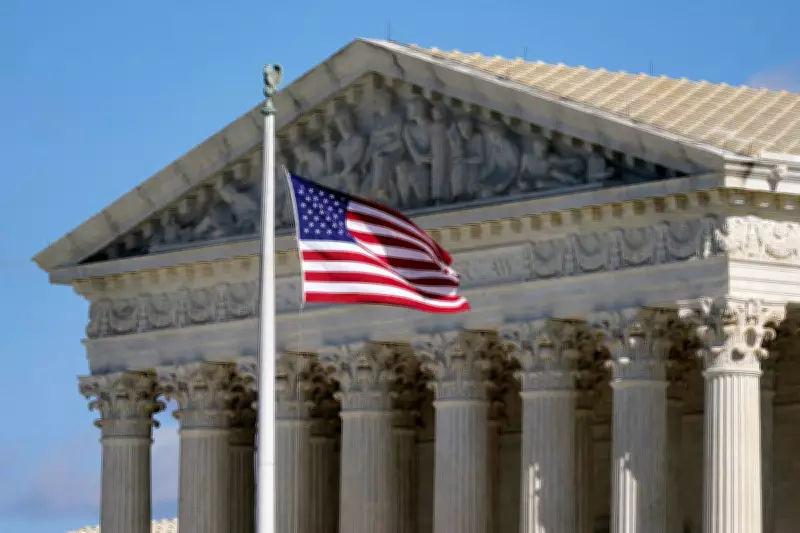
The United States Supreme Court has delivered a significant ruling in favour of a company seeking compensation for property confiscated during the Cuban revolution more than six decades ago. In an 8-1 decision, the justices revived legal claims brought by Havana Docks, a US firm that once operated docking facilities in the Cuban capital.
Background of the Case
The lawsuit targets four major cruise lines—Carnival, Norwegian, Royal Caribbean, and MSC Cruises—which brought tourists to Cuba during a period of détente under the Obama administration. Justice Clarence Thomas, writing for the majority, determined that the federal appeals court in Atlanta erred in dismissing the claims. He stated that "the cruise lines used confiscated property to which Havana Docks owns the claim."
Legal Framework
The case hinges on Title III of the Helms-Burton Act, a federal law enacted by Congress in response to the 1996 shootdown of civilian planes by the Cuban military. This provision permits US citizens to sue any entity that engages in commercial activity benefiting from property confiscated by Cuba's government. For decades, successive presidents had suspended this provision due to objections from US allies conducting business in Cuba and concerns over its impact on future negotiations between the two nations.

Timeline of Events
In 2016, President Barack Obama used a joint press conference with then-Cuban President Raúl Castro to announce the resumption of cruise services to Cuba. The four cruise lines began making stops in Havana, offering passengers excursions to local nightclubs, landmarks, rivers, and beaches. However, this changed abruptly in 2019 when President Donald Trump activated the Helms-Burton provision, allowing lawsuits, and imposed new travel restrictions. The cruise lines swiftly cancelled Cuban stops and rerouted their ships.
Lower Court Decisions
US District Judge Beth Bloom in Miami initially ruled against the cruise lines, finding them liable for using the Havana terminal that Havana Docks once controlled. She awarded the company over $400 million in damages. However, a federal appeals court later reversed this judgment, siding with the cruise lines. The Supreme Court's decision now sends the case back to the appeals court for further proceedings.
Broader Context
The ruling comes amid heightened tensions between the Trump administration and Cuba, including the recent indictment of former Cuban President Raúl Castro for the 1996 downing of civilian planes. Justice Thomas acknowledged that the cruise lines have additional arguments that have yet to be adjudicated, meaning the legal battle is far from over.